Tarnovo

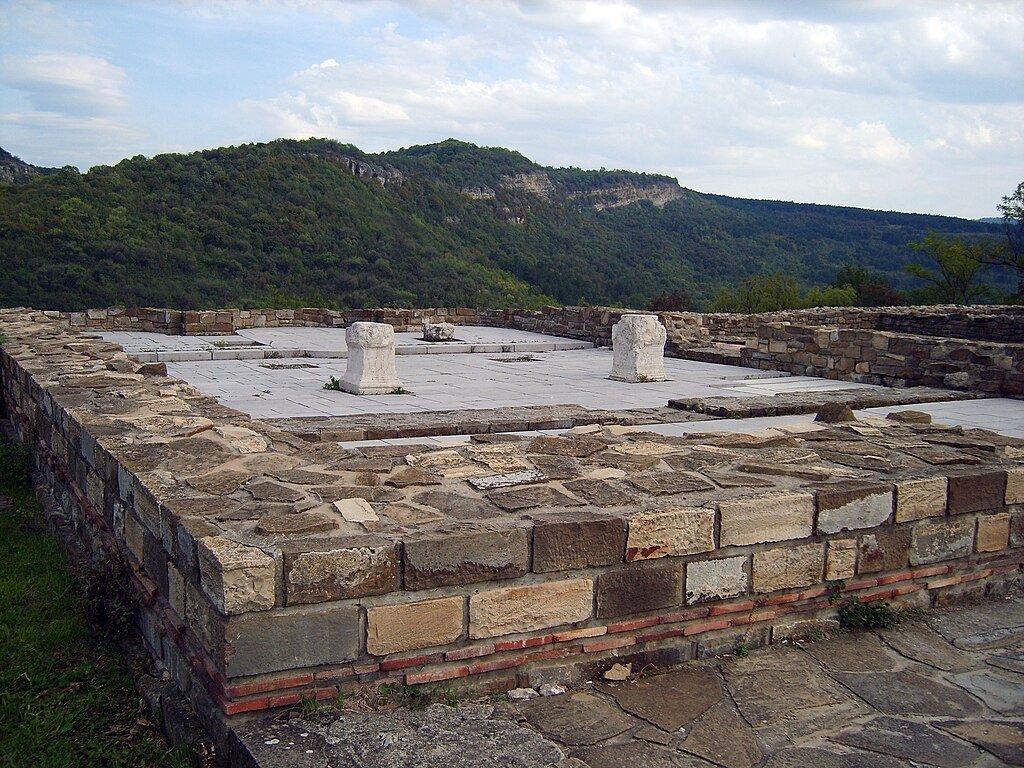
Tarnovo
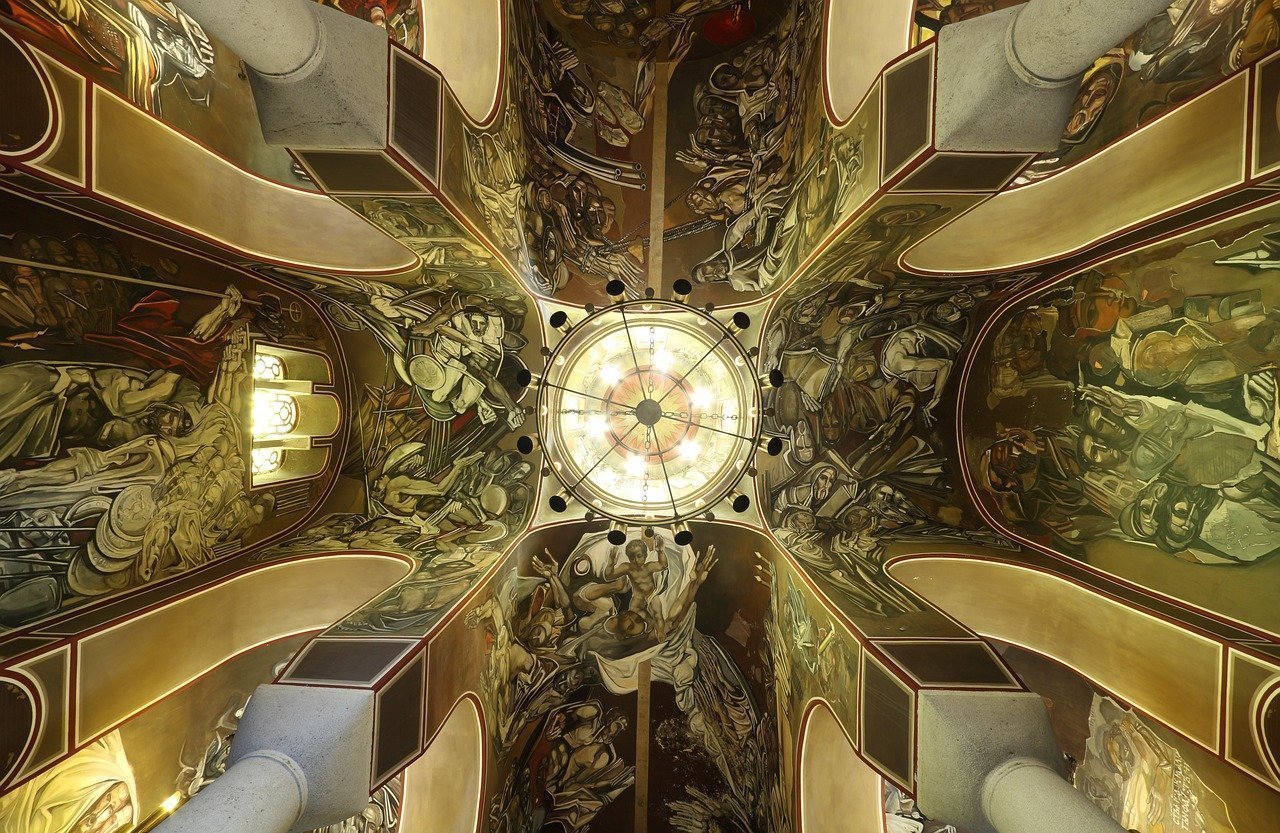
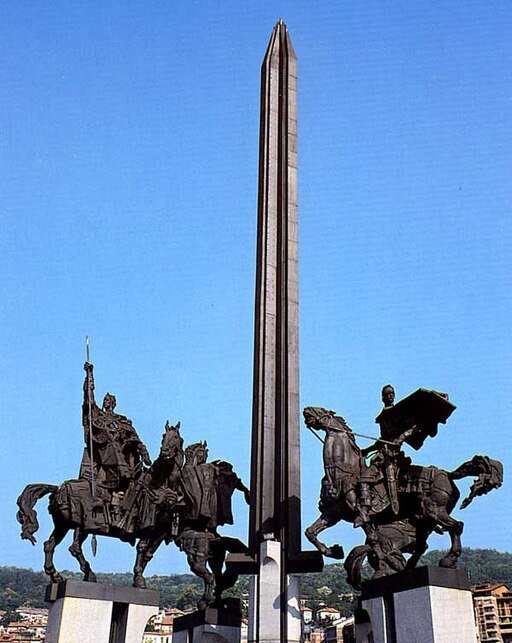
Veliko Tarnovo was Bulgaria's fifth capital and the first capital of the Second Bulgarian Empire. Tarnovgrad stands on three hills of the Balkan Mountains: Tsarevets, Trapezitsa and Sveta Gora. It became the capital after the successful uprising of the brothers Asen and Peter. Numerous written sources describing Tarnovo's importance survive, along with many medieval religious and secular buildings. The city was a cultural centre where the Tarnovo school took shape.
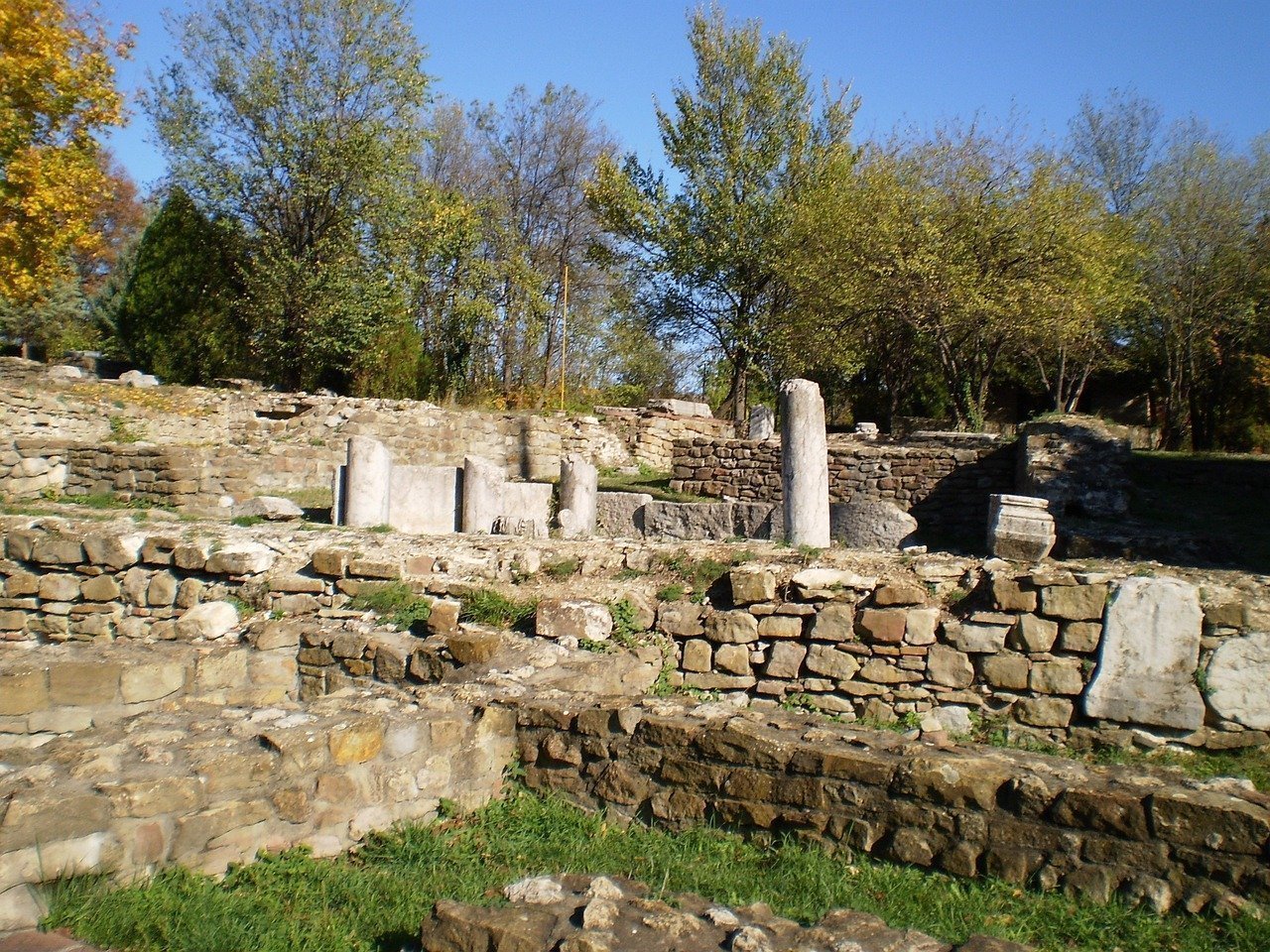
Veliko Tarnovo has a rich and magnificent history built over centuries, enduring through time while looking towards the future. It seems sculpted by nature and human hands together: a harmony of rocks and houses, stone and wood, with striking silhouettes, tiered panoramas, greenery and flowers. Its urban development passed through various stages, beginning with settlements in the Kachitsa area in the late sixth millennium BC, followed by a Thracian settlement of the thirteenth century BC, an early Byzantine defensive system in the fourth to seventh centuries, and a medieval Slavic-Bulgarian settlement by the ninth to tenth centuries. In the twelfth to fourteenth centuries, it became the capital of the Second Bulgarian Empire and extended across Tsarevets, Trapezitsa, Momina Krepost, Sveta Gora and other fortified sites.
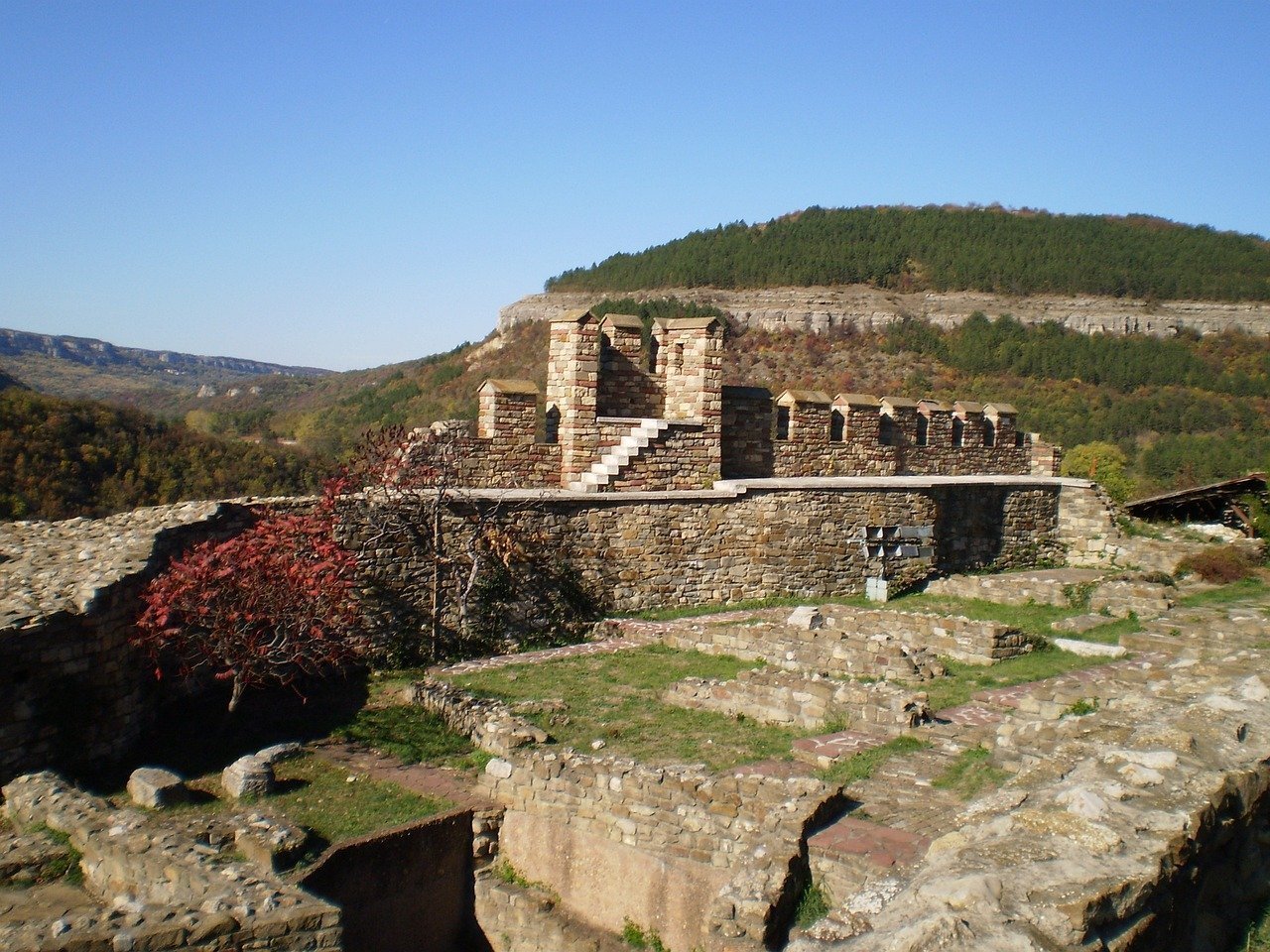
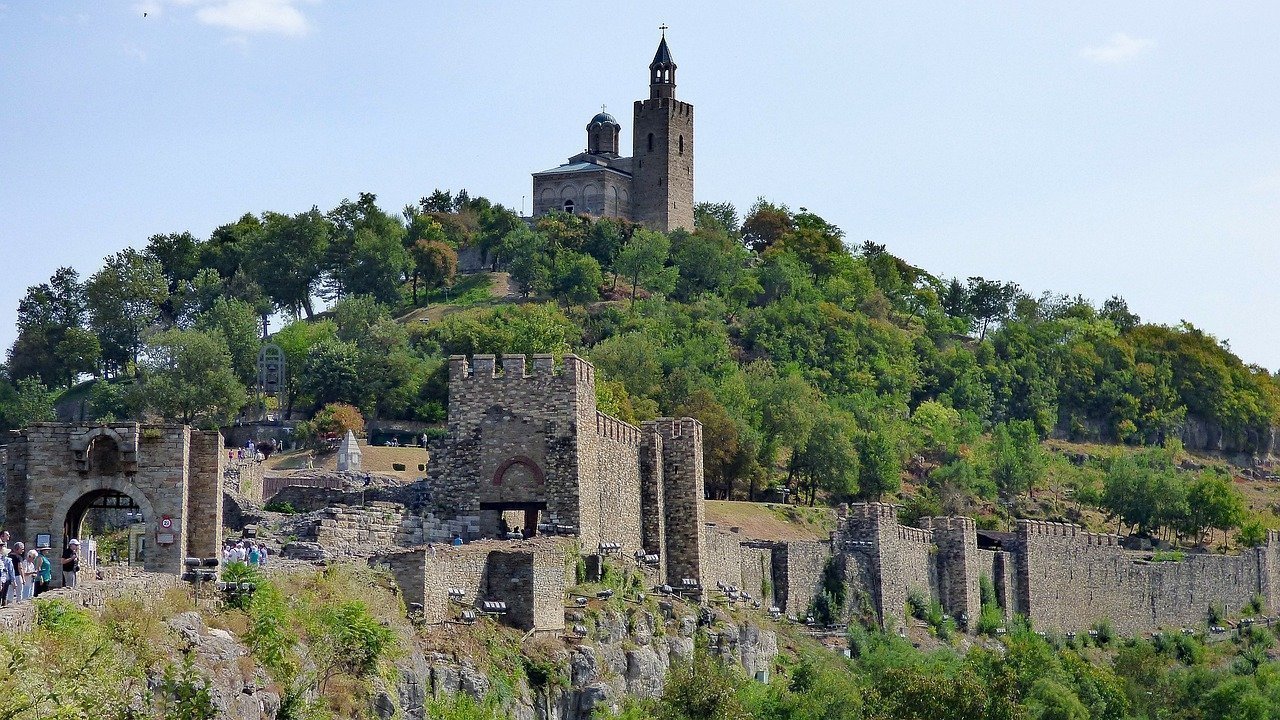
Two construction periods can be distinguished during the Second Bulgarian Empire. The first is associated with Ivan Asen II, who extended Bulgaria's borders to three seas. During this period, the feudal castle in the main fortress of Tsarevets was converted into a royal palace, and the main entrance was equipped with a drawbridge. The fortress walls were strengthened with new towers, defences and gates, including the small Asen Gate towards Trapezitsa and the New Town, and the Frenkhisar Gate towards the quarter of the 'Franks', or foreign merchants. Transverse defensive walls with water towers and secret stairway passages down to the river were built to protect neighbouring residential quarters.
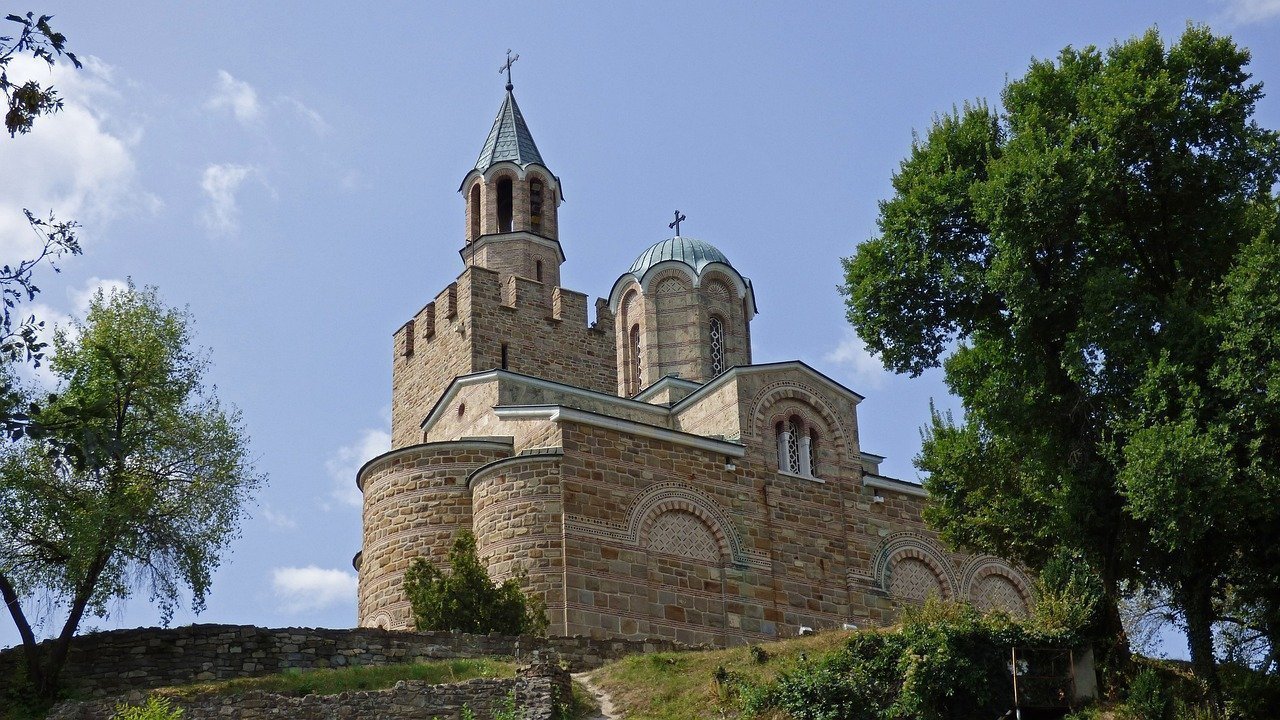
During the second construction period, which began in the late twelfth and early fourteenth centuries, the palace church was rebuilt and new urban churches and monasteries were constructed, including the monastery at Execution Rock. Extensive building work at the palace under Ivan Alexander is also recorded in the Life of Theodosius of Tarnovo, written by Patriarch Callistus of Constantinople. Many monasteries and religious buildings were erected outside the main fortresses during this period. One was the Church of the Holy Forty Martyrs, built to commemorate Tsar Ivan Asen II's victory over the Epirote ruler Theodore Komnenos at Klokotnitsa in March 1230. It became the principal church of the Great Lavra monastery on the left bank of the Yantra, at the foot of Tsarevets. It preserves major medieval written monuments, including the inscriptions on Omurtag's Column, Asen's Column and the boundary column from the fortress of Rodosto dating from Khan Krum's reign.
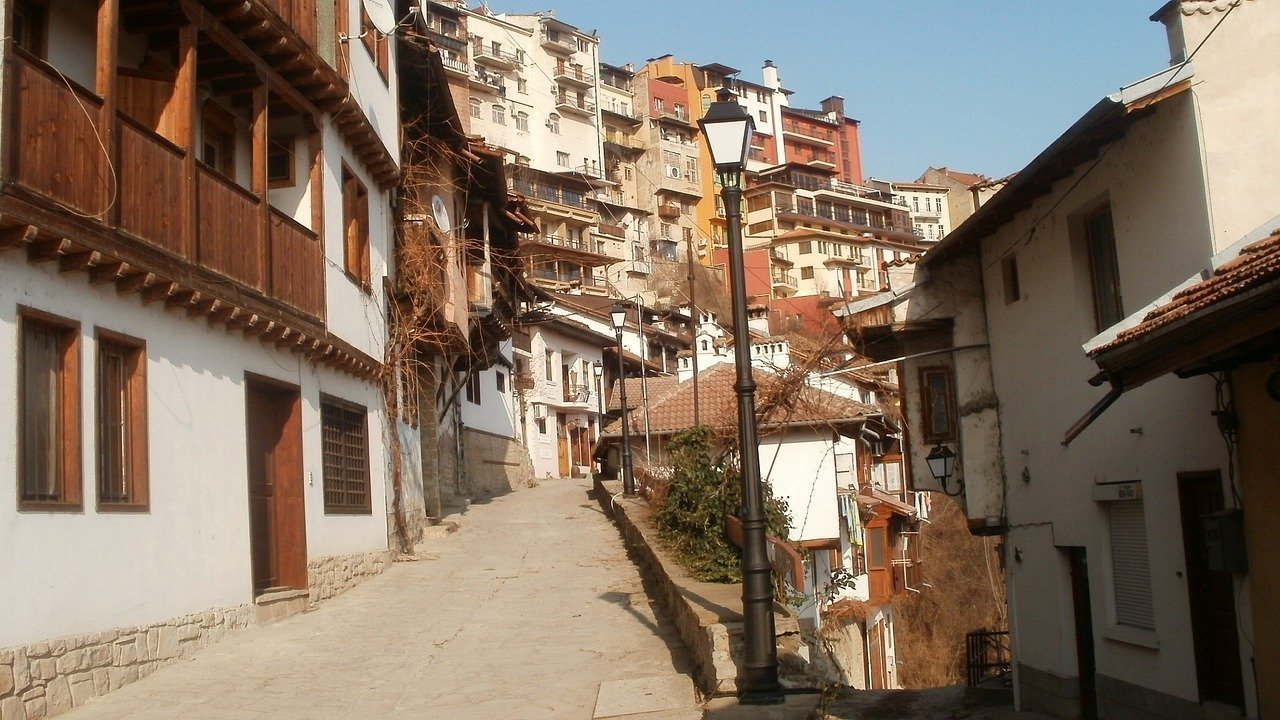
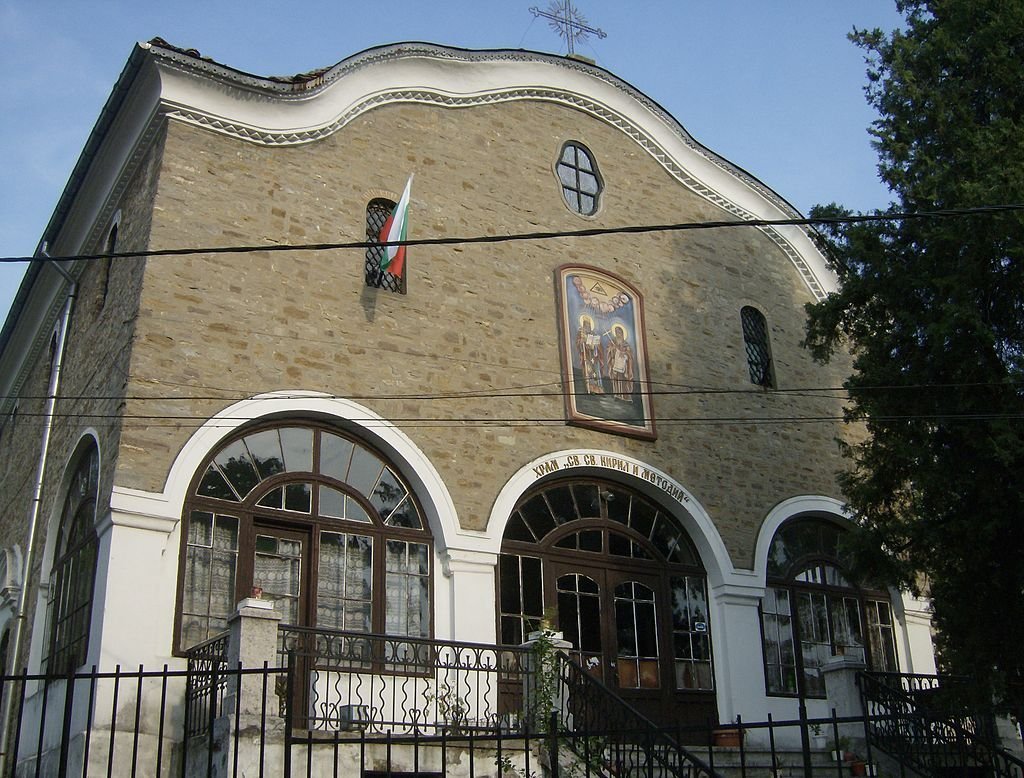
During Ottoman rule and the struggles for independence (1393–1877), the city developed its urban structure and organisation while retaining its boundaries, quarters and enclosures with their defences and gates. Its neighbourhoods took shape, and streets, squares, parks and gardens were transformed and developed. Old buildings and institutions, including the town hall, prison, archive, court, post office, schools, community cultural centres, hospitals, baths, railway stations, churches and monasteries dating from the eighteenth, nineteenth and twentieth centuries, add to the city's richness and make it a memorable place to experience history.
After Bulgaria's Liberation, several significant buildings were constructed in Veliko Tarnovo, reflecting the city's modernisation and development. The Tsar Boris Hotel was built in 1894 to a design by architect Stoyan Gerganov. It was followed by the Old District Council building, designed by Georgi Kozarov, the first tourist lodge and the old post office, designed by Stancho Belchovski. During the modernist period, the city's architecture was influenced by architects from across the country, while decisions on larger projects were taken by the main architectural office in Sofia.
Today, the former royal capital of Tarnovo holds distinctive treasures of Bulgarian history that attract every visitor's attention. Its city day, 22 March, is a major occasion for celebrations and for showcasing its heritage. The capital of the Second Bulgarian Empire contains important cultural monuments, including works by master builder Kolyu Ficheto. One of his best-known works is the House with the Monkey, built in 1849. The Samovodska Charshia, established in the 1860s and 1870s, is characteristic of the old town. Visitors can discover traditional Bulgarian crafts and trade here. Walking around Tsarevets Hill is a memorable experience, especially the palace and patriarchal complexes. The relics of St Petka of Tarnovo were laid in the palace church. The fortress once contained 23 churches and 4 monasteries. The spirit of the National Revival can be felt on cobbled Gurko Street, with its many restored houses, including Sarafkina House, built in 1861 and designated a cultural monument of national importance.
Art enthusiasts can visit the State Art Gallery, which displays works from different periods of Bulgarian art. Lovers of Bulgarian literature can visit the Petko R. Slaveykov and Emiliyan Stanev house museums. A short distance from the city is the Arbanasi architectural and museum reserve, where the Church of the Mother of God can be visited. The Patriarchal Monastery, six kilometres from the city, is known for its literary activity. The Nicopolis ad Istrum archaeological reserve, a Roman and early Byzantine town near the Rositsa River, also deserves particular attention.
Share:


