Pliska


Pliska
Pliska is regarded as Bulgaria's first capital. For two centuries, from 681 to 893, it was the heart of the Bulgarian state's political, military, cultural and economic life. It also left an enduring legacy as one of the most impressive monuments of medieval European town planning. Pliska occupies a strategic crossroads, surrounded by mighty fortress walls that provided formidable protection. The choice of location was deliberate, since the Bulgars preferred flat terrain for their camps and settlements.
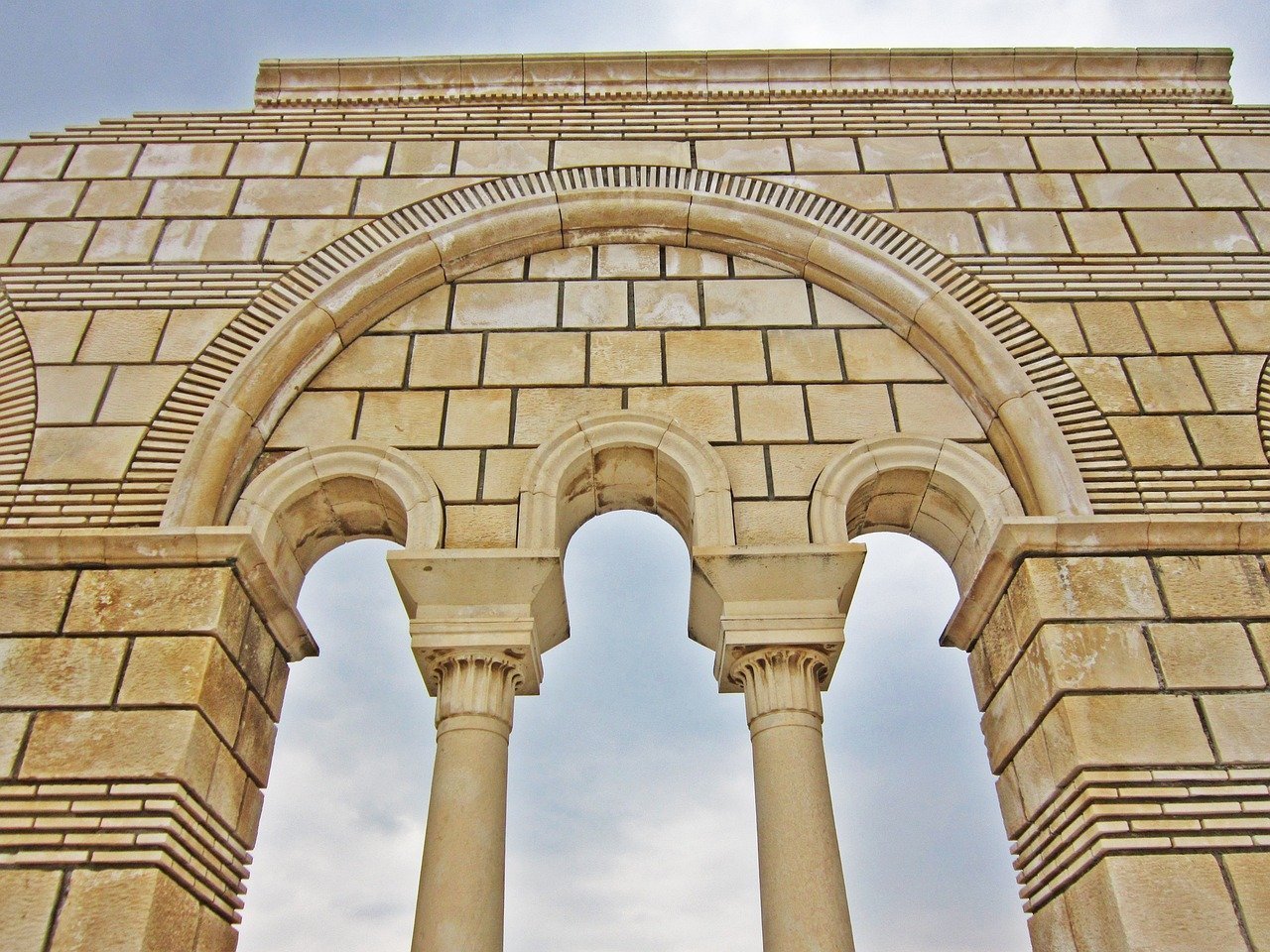
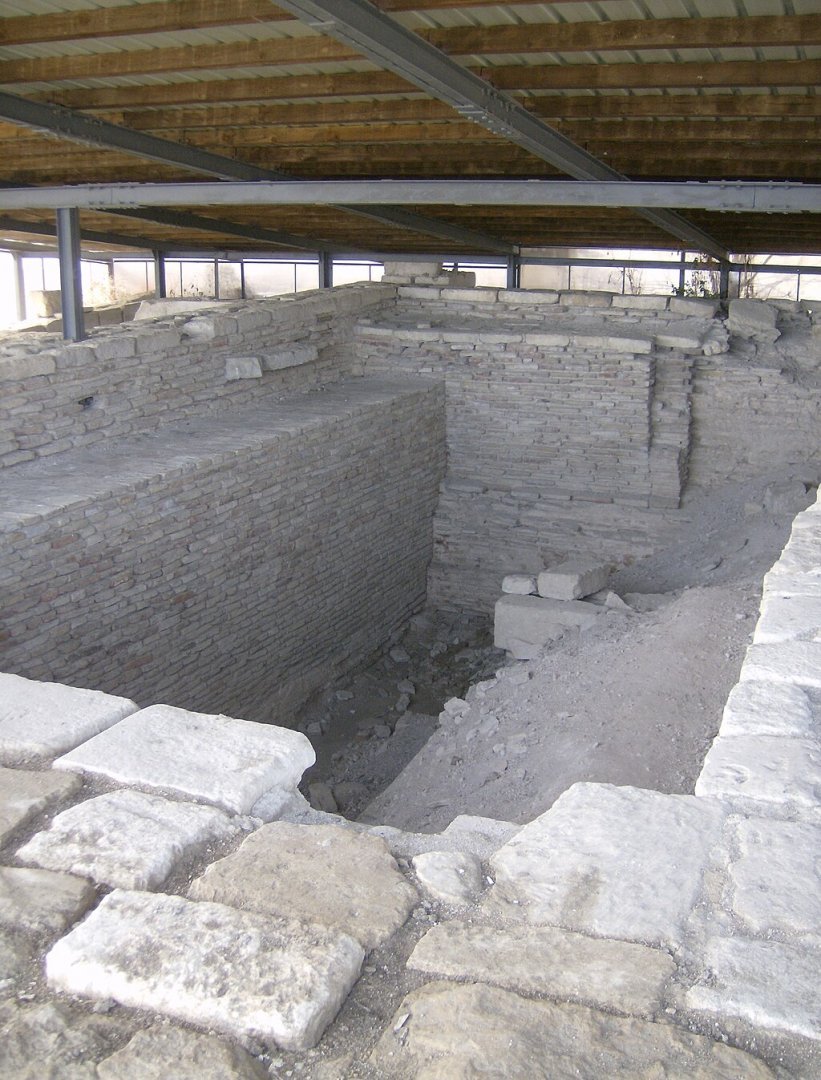
Pliska's construction can be divided into three main stages, each contributing to the city's layout. Khan Krum's palace, covering an impressive 500 square metres, survives from the first stage. One of the period's most remarkable buildings, it also had concealed entrances that allowed its inhabitants to leave the city unnoticed. The palace contained a reservoir and baths that were innovative for their time. The second stage is associated with Khan Omurtag and included large structures such as the fortress walls, the small palace with its intriguing living quarters, new baths with a complex heating system, two pagan temples and an exceptionally richly decorated Throne Hall. The third stage gave the city imposing early Christian religious buildings. The best-known architectural monument of this period is the Great Basilica, covering 2,920 square metres, the largest Christian church in the Balkan Peninsula. Beneath it were found the remains of a late antique church with a cruciform plan, most probably a martyrium. Pliska became a symbol of the Christian faith for the Bulgarians.
In 886, Prince Boris I welcomed the disciples of Cyril and Methodius, the creators of Slavic writing. This event strengthened the city's role in spreading Christianity.
Share:


