Vidin


Vidin
In the mid-fourteenth century, Tsar Ivan Alexander decided to divide the Bulgarian state into two parts: the Tsardom of Vidin, with its capital at Vidin, and the Tsardom of Tarnovo. His son from his first marriage, Ivan Sratsimir, took the Vidin throne and ruled from 1356 to 1396.
After Ivan Alexander divided Bulgaria, the Tsardom of Vidin became an important political and military centre in north-western Bulgaria. As its ruler, Ivan Sratsimir sought to preserve its independence and territorial integrity amid a growing Ottoman threat and regional conflicts.
In 1365, Hungarian troops under King Louis I invaded Vidin and captured the city, establishing a three-year occupation lasting until 1369. This period was marked by tension and struggle for control of the strategically important Danube region. After 1369, Tsar Ivan Sratsimir regained power in the city, but this merely postponed the increasingly powerful Ottoman invasion.
During his reign, Ivan Sratsimir maintained close relations with Hungarian and Serbian rulers, seeking allies against the growing Ottoman threat. Vidin became a strongly fortified city whose defences held back the Ottoman army for much of the fourteenth century. It was also a cultural centre, with religious and architectural projects including walls and churches.
An important episode was the siege of Vidin in 1396, when Sultan Bayezid I launched a major campaign against the Bulgarian domains. The city resisted for a time but eventually fell. Ivan Sratsimir was captured and taken to Konya, the Ottoman capital at the time. This ended the Tsardom of Vidin and marked the final incorporation of north-western Bulgaria into the Ottoman Empire.
After coming under Ottoman rule, Vidin retained its strategic importance as a Danube port and military base. Over the centuries, it remained a key centre of trade, transport and culture, with architectural landmarks such as Vidin's fortress.
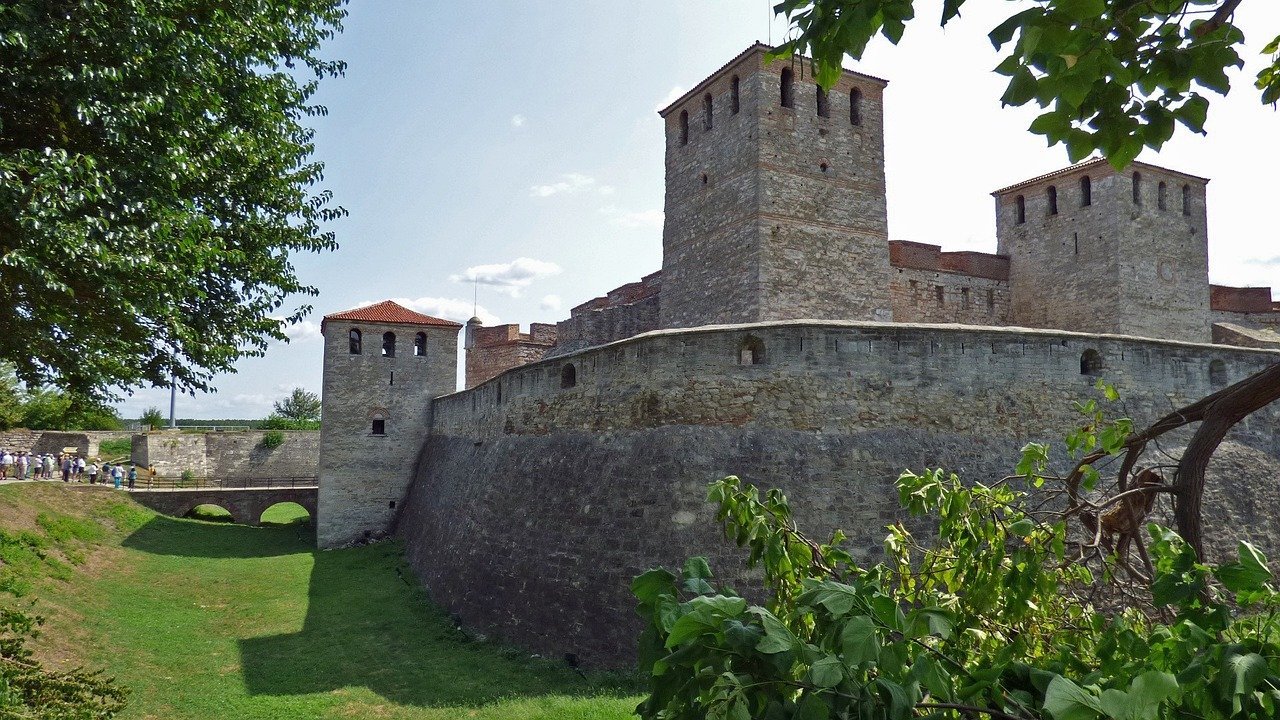
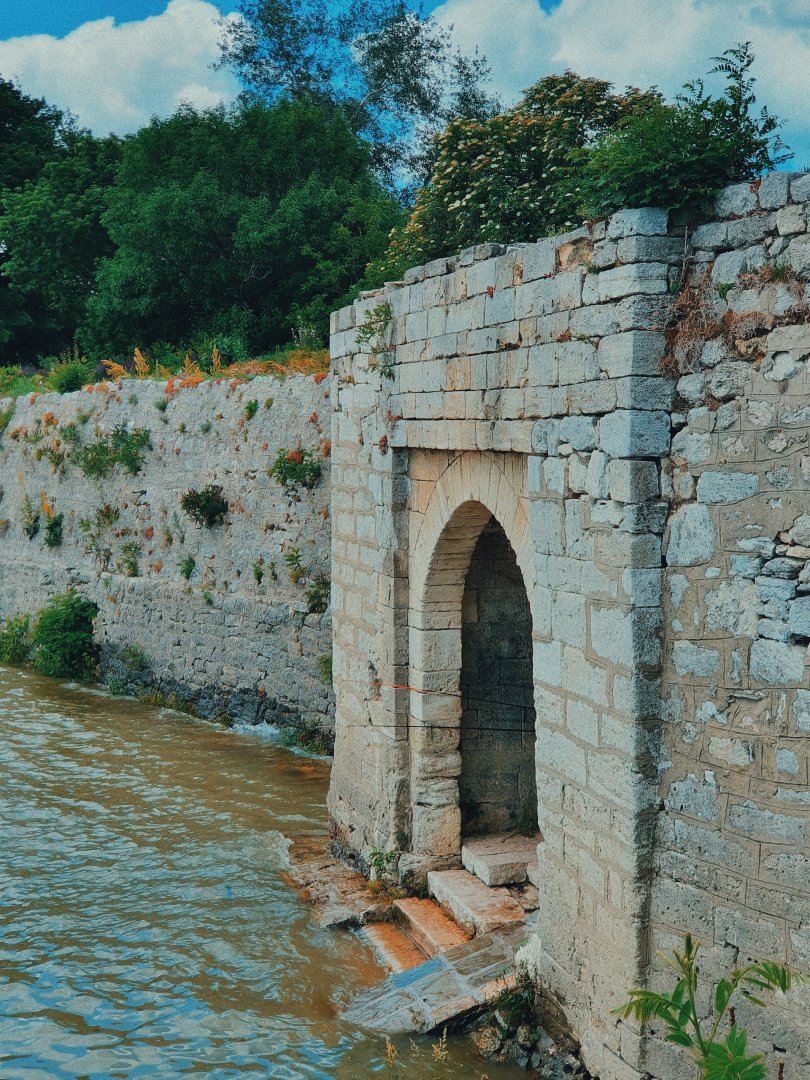
Built during Ivan Sratsimir's reign and strengthened under Ottoman rule, Vidin's fortress is one of Bulgaria's best-preserved medieval castles. It bears witness to the city's rich military history and is a popular visitor destination.
Share:


