Kaliakra

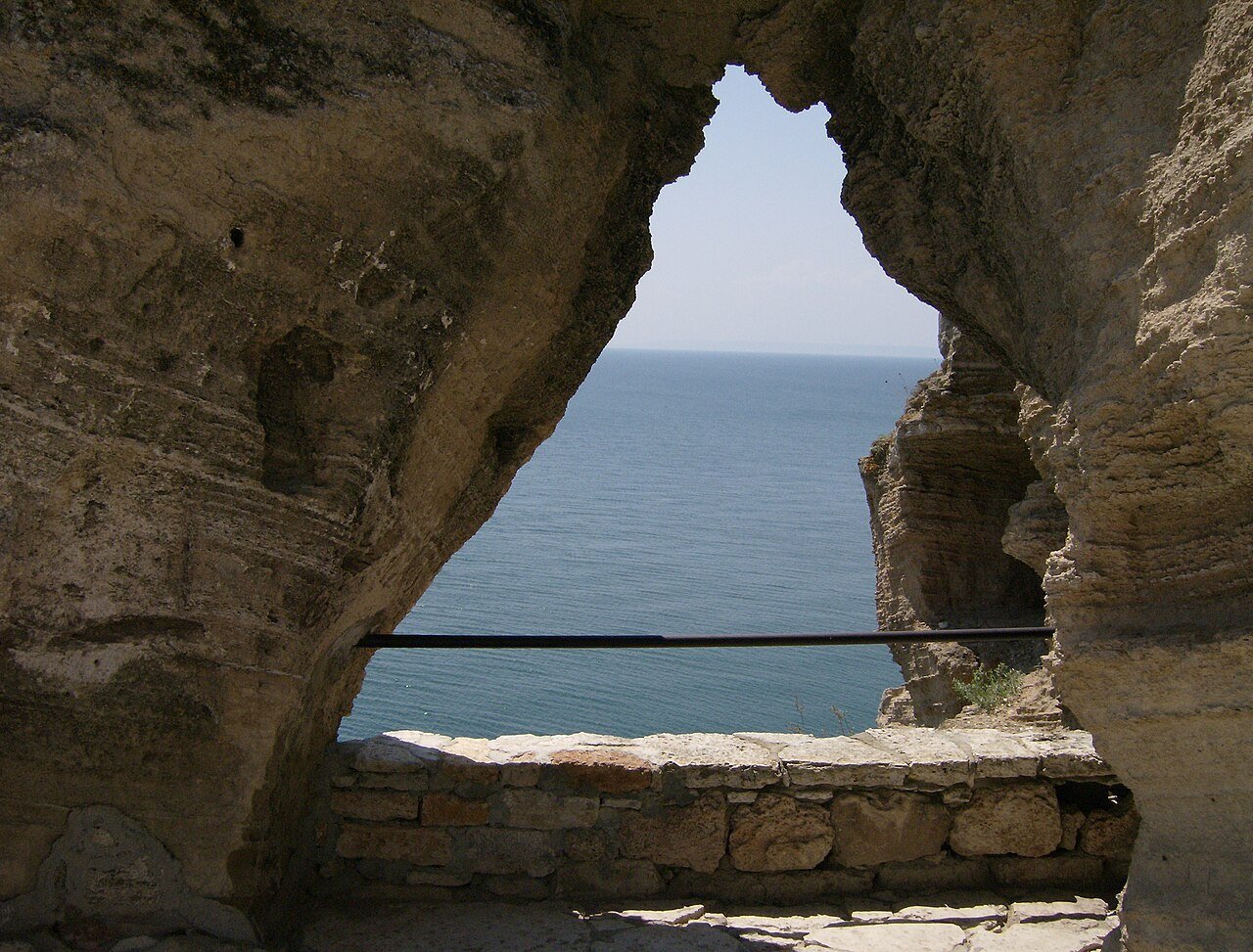


Kaliakra
In the second half of the fourteenth century, Kaliakra was chosen as the capital of the Despotate of Dobruja, which functioned as an independent Bulgarian state. The surrounding region grew remarkably and became a highly developed port and commercial centre. The despotate's successive rulers were Balik, Dobrotitsa and Ivanko. They strengthened its regional and economic power, contributing to Kaliakra's success as capital.
After becoming the capital around 1380, Kaliakra quickly established itself as a major maritime and political centre on Bulgaria's Black Sea coast. Under Despot Dobrotitsa, around 1360–1385, the Despotate of Dobruja reached its height. He built a navy and participated actively in international politics, including Byzantine conflicts. Dobrotitsa maintained commercial and diplomatic relations with Genoa and Venice, and Kaliakra became a strong trading partner.
After Dobrotitsa's death, power passed to his son Ivanko, who ruled until the early fifteenth century. He also sought to preserve the despotate's autonomy and opposed the Ottoman Empire. Ottoman expansion in the Balkans, however, became increasingly irresistible. Historical accounts state that Ottoman forces attacked Kaliakra around 1393–1394, but its fortifications and strategic position enabled it to hold out temporarily.
Kaliakra's final fall under Ottoman rule occurred between 1401 and 1413. During the internal struggle for the Ottoman throne, known as the Ottoman Interregnum, Bayezid I's son Süleyman Çelebi took control of the region and absorbed the last remnants of the Despotate of Dobruja. This ended Kaliakra's role as the capital of an independent Bulgarian state.
Kaliakra was also an important cultural and religious centre, with an archbishop's residence and active monastic life. Numerous archaeological finds testify to flourishing trade and the city's high level of development in the fourteenth century. Coins of Dobrotitsa and Ivanko found during excavations demonstrate an autonomous economic system and the minting of its own money, a sign of genuine state independence.
Kaliakra is also associated with the heroic legend of forty maidens who, according to tradition, threw themselves from the cliffs into the sea to avoid capture by the Ottoman conquerors. The legend became a symbol of self-sacrifice and strength of spirit.
Today, Cape Kaliakra is one of Bulgaria's most visited historical and natural attractions. The fortress remains, high above the sea, draw thousands of visitors every year. The site is also a nature reserve and part of the European Natura 2000 ecological network. Alongside its striking views and historical heritage, Kaliakra preserves the memory of a small but courageous and dignified Bulgarian state, the Despotate of Dobruja, which endured the turbulent years before Bulgaria fell under Ottoman rule.
Share:


