Phanagoria

Phanagoria
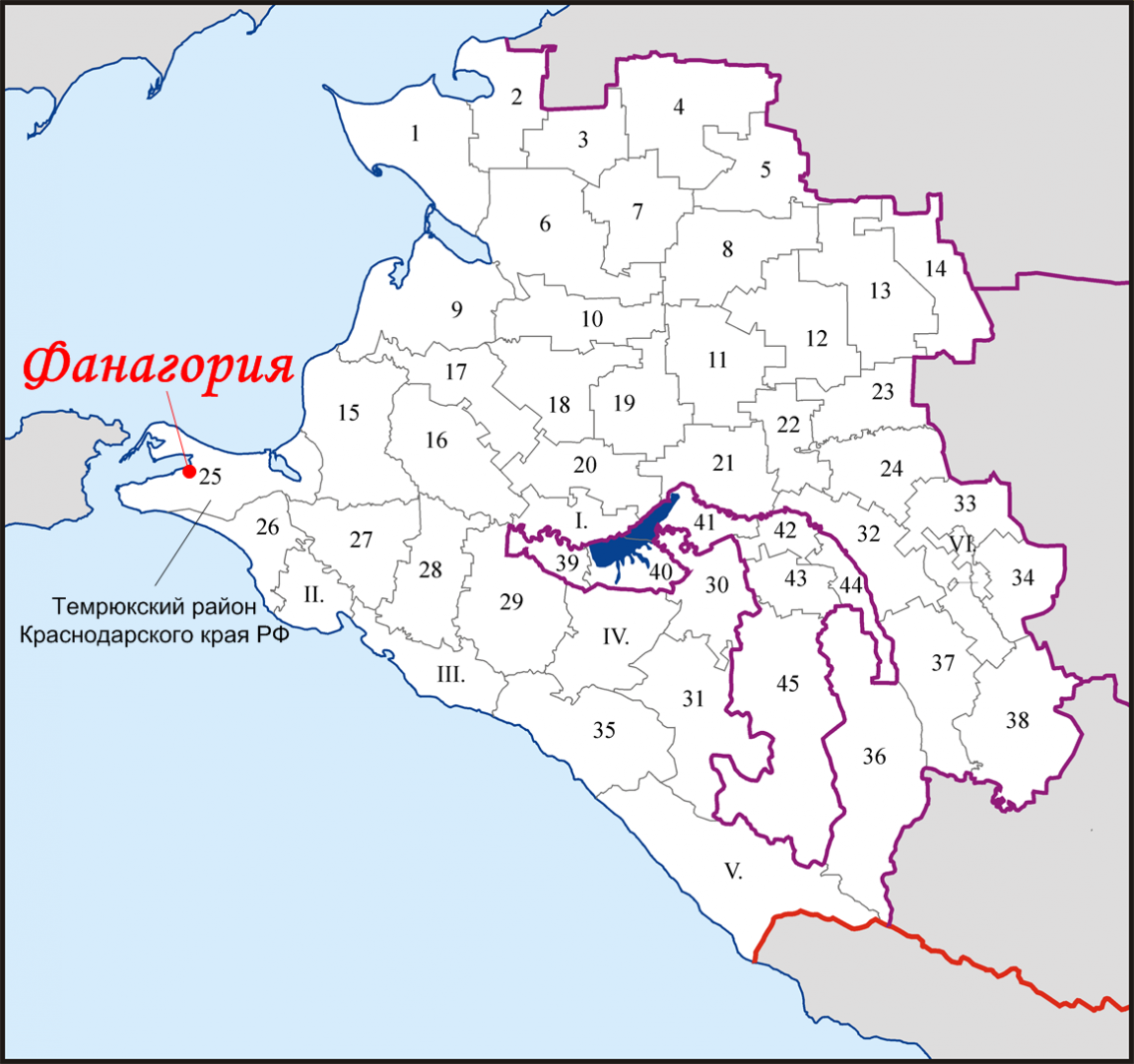
Phanagoria is an ancient city on the Taman Peninsula in present-day Russia. It existed intermittently from the sixth century BC to the fifteenth century. In antiquity, it was an exceptionally important trading centre and, together with Panticapaeum, one of the principal cities of the Bosporan Kingdom. It was founded around 543 BC by Greek colonists from Teos in Asia Minor, who moved to the region because of wars with the Persian Empire. In the fourth century BC, it joined the Bosporan Kingdom, which controlled a substantial part of the territory.
Some sources identify Phanagoria as the capital of Old Great Bulgaria between 632 and 665, and even claim that its ruler Kubrat died there. After the late seventh century, Phanagoria was formally a Byzantine possession but was in practice governed by the Khazar Khaganate. Despite changing rulers and conflicts, it remained an important centre in the history of the Black Sea region.
Phanagoria continued to play a key role in the Middle Ages. In the ninth and tenth centuries, it was an important commercial and cultural centre connecting the Byzantine Empire, the Khazar Khaganate and later Kievan Rus. Archaeological finds from this period attest to flourishing trade in honey, grain, hides and enslaved people.
In the twelfth century, Phanagoria declined but continued to attract the interest of various local rulers, including the Genoese, who controlled trading colonies in the region. The Byzantine emperor Alexios I Komnenos is mentioned among rulers who sought to restore their influence in the area.
With the fall of Constantinople in 1453 and the collapse of the Byzantine Empire, Phanagoria's importance diminished considerably. It was gradually abandoned and forgotten. Its remains are now the subject of archaeological research revealing a rich cultural heritage.
Among the best-known archaeological discoveries are large cemeteries, temples and fortress walls that confirm Phanagoria's strategic and religious importance over the centuries. They provide valuable information about the lives of its inhabitants.
Today, Phanagoria is part of Russia's historical heritage and an important destination for archaeologists and visitors interested in the ancient history of the Black Sea and the role of Greek colonies in the region's development.
Share:


