Plovdiv

Plovdiv
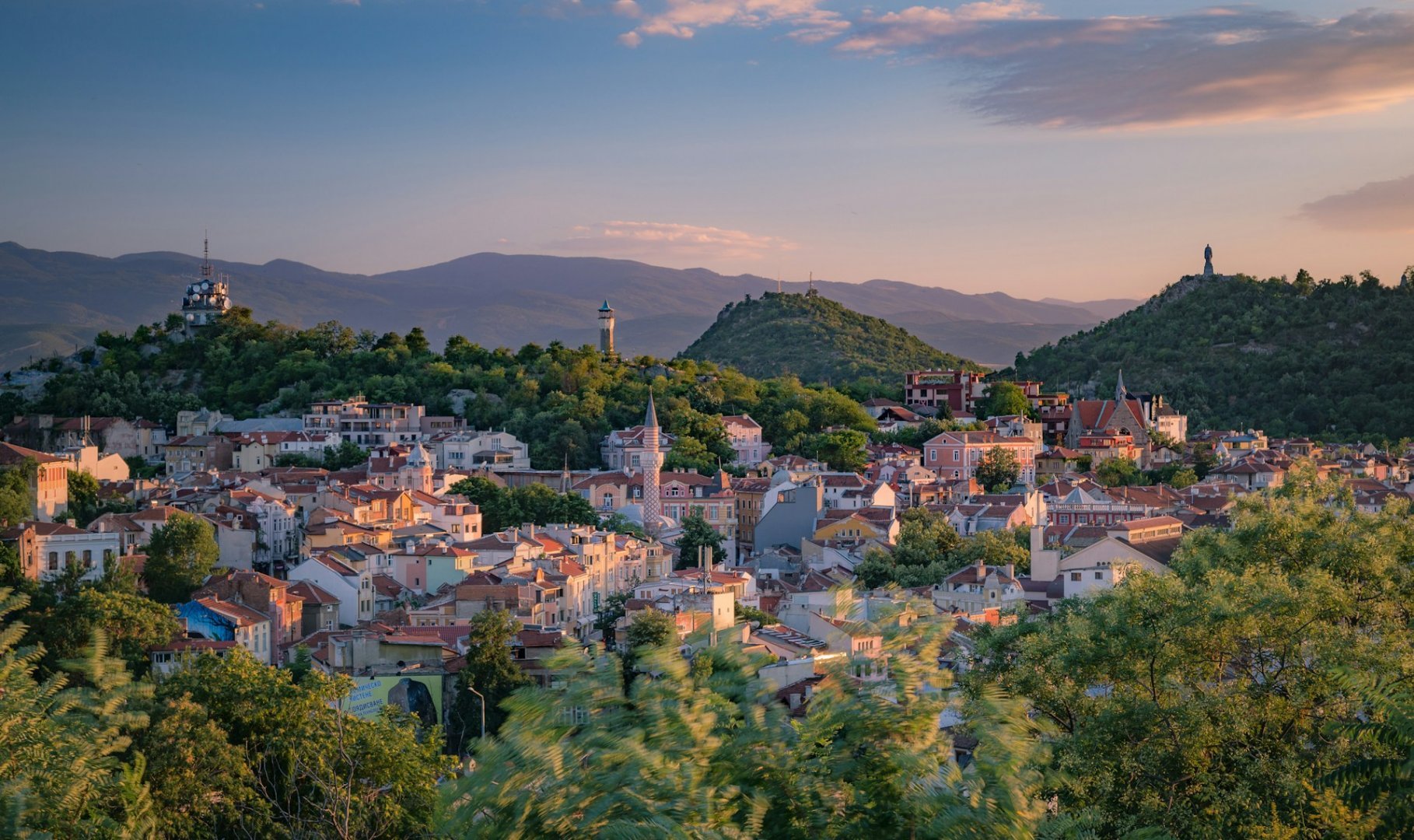
In 1878, after Liberation, Plovdiv became the capital of Eastern Rumelia, the part of Bulgaria that remained within the Ottoman Empire as an autonomous province for seven years. Today, Plovdiv is one of Bulgaria's largest cities and a popular visitor destination thanks to its wealth of cultural and historical attractions. In 2019, it held the title of European Capital of Culture.
Plovdiv is one of Europe's oldest cities, continuously inhabited for more than 6,000 years. Its history began in the Neolithic period. In antiquity, it was known as Philippopolis, founded in the fourth century BC by the Macedonian king Philip II, father of Alexander the Great. Under the Roman Empire, Philippopolis became one of Thrace's most important administrative, economic and cultural centres.
In the Middle Ages, Plovdiv was an important Christian and cultural centre that changed rulers several times, from Byzantines to Bulgarian rulers and then the Ottomans. In the eighteenth and nineteenth centuries, it developed as a commercial and craft centre with a flourishing urban culture.
After Bulgaria's Liberation in 1878 and the signing of the Treaty of San Stefano, Plovdiv remained part of autonomous Eastern Rumelia, with European guarantees for its administration. During this period, it was the province's political and administrative centre. Important social and cultural movements developed here, including the uprising of 1885, when Eastern Rumelia united with the Principality of Bulgaria, a pivotal event in Bulgarian national history.
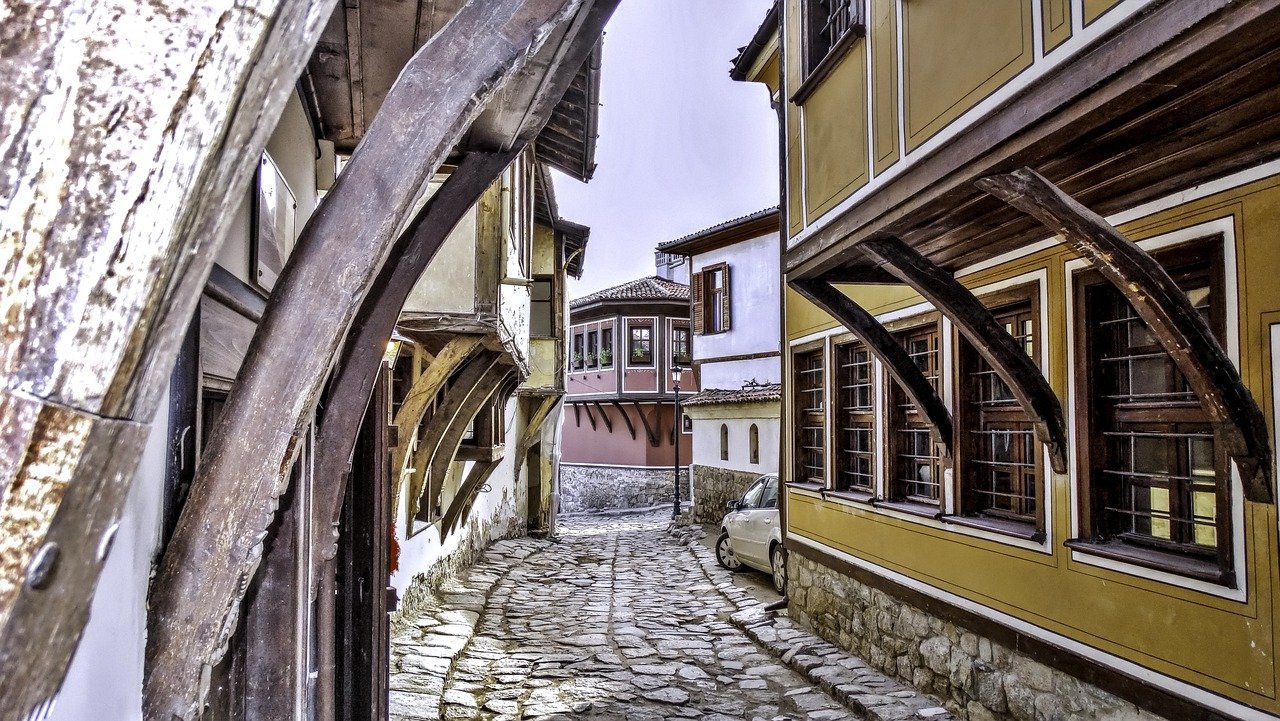
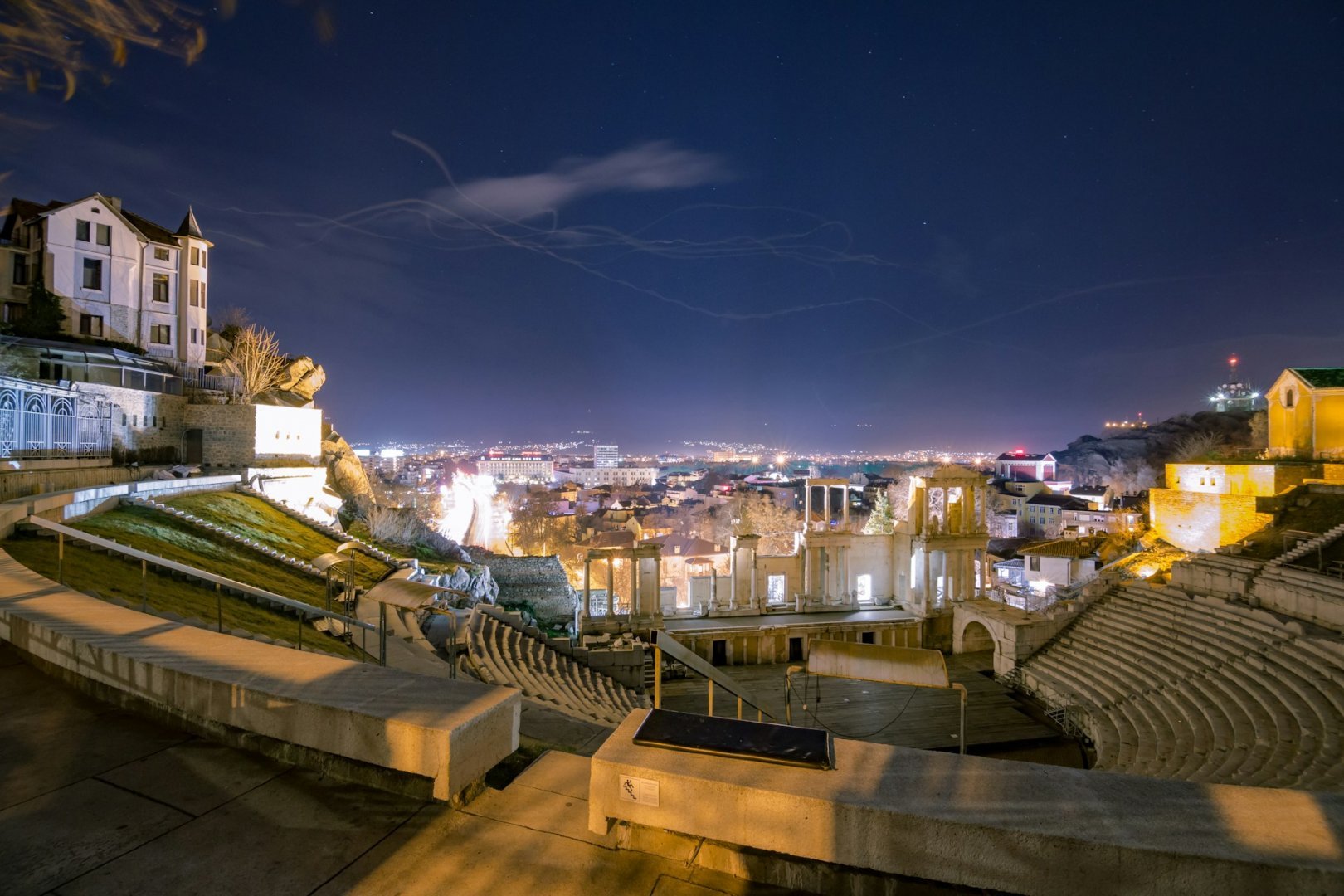
In the following decades, Plovdiv expanded and modernised. In the twentieth century, it became a cultural centre with a rich architectural heritage, from National Revival houses and churches to modern public buildings. Archaeological excavations revealed a Roman theatre, ancient streets and walls that are now among its most visited attractions.
Plovdiv is an important academic and educational centre with many universities, including Paisii Hilendarski University of Plovdiv and the Medical University. Its varied cultural life includes theatres, museums, galleries and festivals such as the International Folklore Festival and Plovdiv Jazz Festival.
Plovdiv's selection as European Capital of Culture in 2019 emphasised its historical and contemporary importance as a centre of arts and culture. It continues to develop, combining ancient roots with a dynamic modern appearance, and remains one of Bulgaria's outstanding cities.
Share:


