Preslav

Preslav
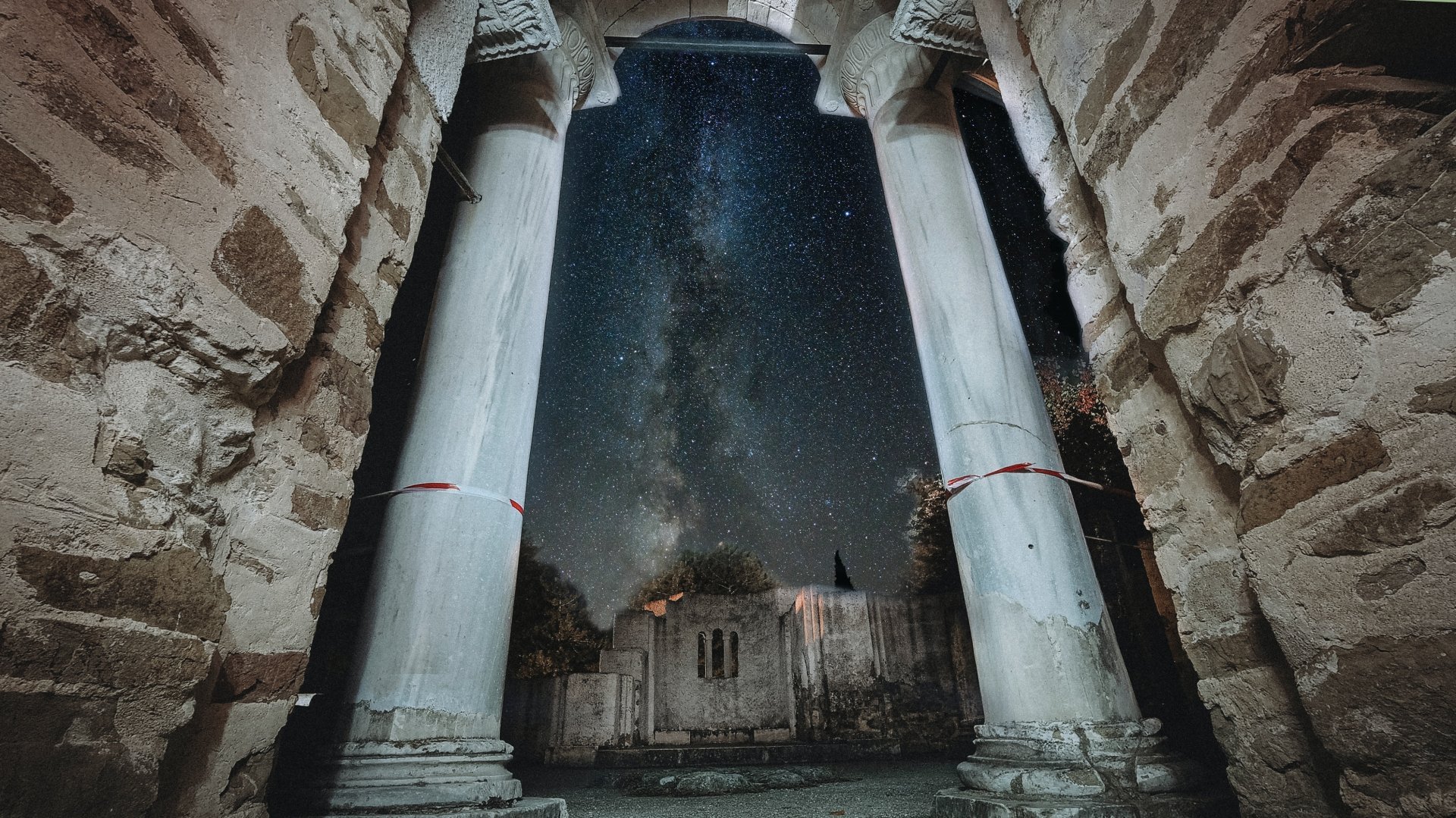
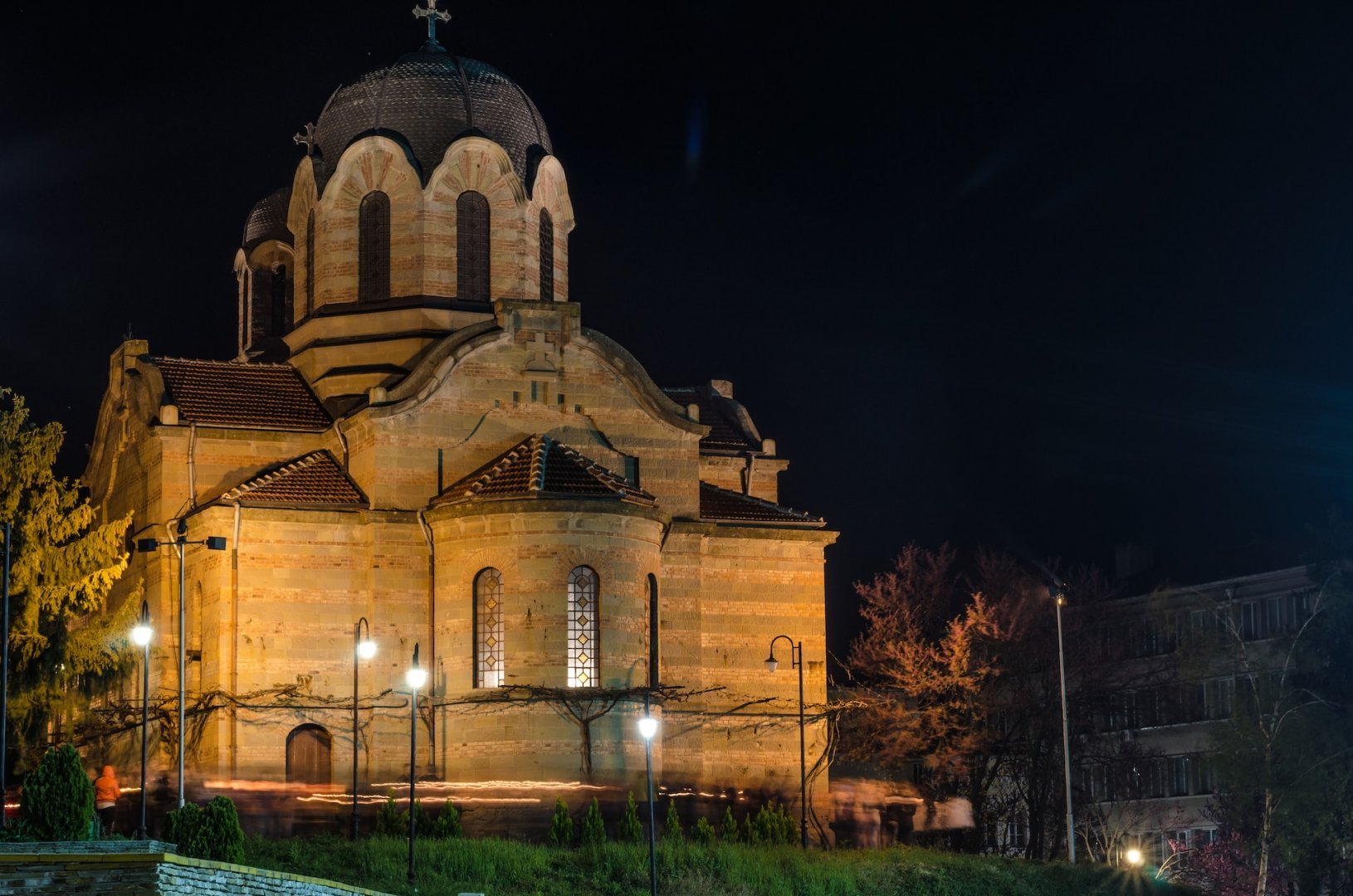
Veliki Preslav was Bulgaria's second capital. Founded in the first half of the ninth century during Khan Omurtag's reign, it became a military camp with a fortified palace and garrison. Tsar Simeon I moved the capital of the First Bulgarian Empire from Pliska to Preslav. The city became the centre of Bulgaria's cultural flourishing during the period known as the Golden Age. The craft of Preslav painted ceramics arose here for use in construction, chiefly to decorate secular and religious buildings. The ceramics were made from kaolin clay.
Many objects reflecting the material and artistic culture of the First Bulgarian Empire have survived in the city. Preslav's palace buildings used marble in place of limestone, while crushed brick was mixed into the mortar, giving it a pink tint. This was intended to make the walls waterproof. Pieces of blue and green glass show that the palaces' round windows were glazed. The outer city, covering 3.5 square kilometres, was surrounded by white-stone walls 10 metres high and 3.25 metres wide, with structures resembling those of Pliska. The inner city, also enclosed by a wall, contained the royal residence and monumental buildings such as the Great Palace and the Throne Hall. A richly decorated tenth-century Round Church with mosaics, marble and ceramic icons also stood inside. Ceramic pipes found in Pliska and Preslav suggest that the city had developed drainage and water supply systems. The Preslav Literary School attracted figures such as Naum of Ohrid, Constantine of Preslav, Chernorizets Hrabar, John the Exarch and Cosmas the Priest.
Share:


