Sofia

Sofia
Sofia is Bulgaria's most populous city and its present capital. It was officially proclaimed the capital on 3 April 1879 by the deputies of the Constituent Assembly, held in Tarnovo from 10 February to 16 April 1879. The decision to make Sofia the capital of the Principality of Bulgaria was unanimous. The initiative came from Professor Marin Drinov, one of the first Bulgarian historians and a co-founder of the Bulgarian Academy of Sciences. The principal reasons were Sofia's geographical position and potential for economic growth.
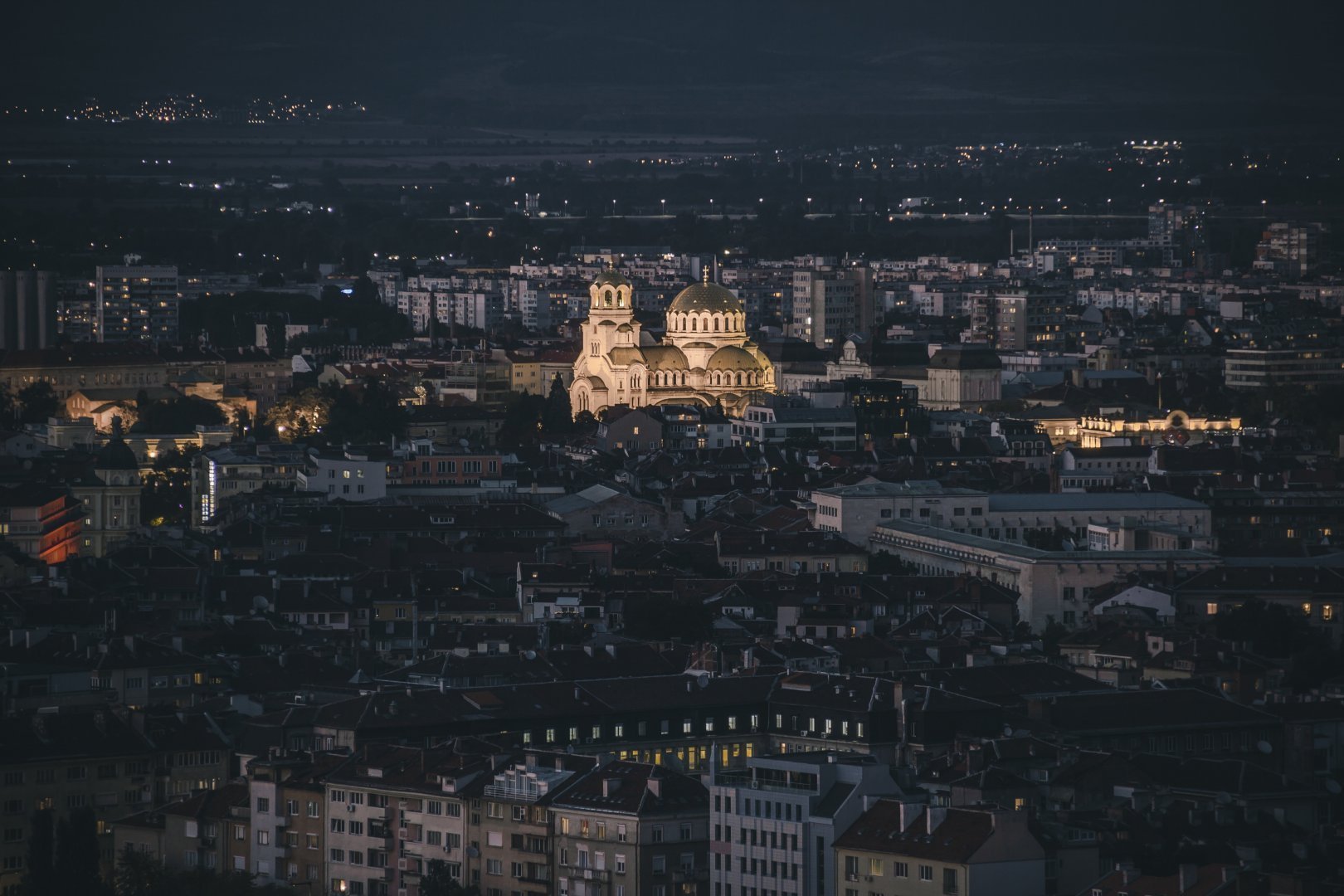
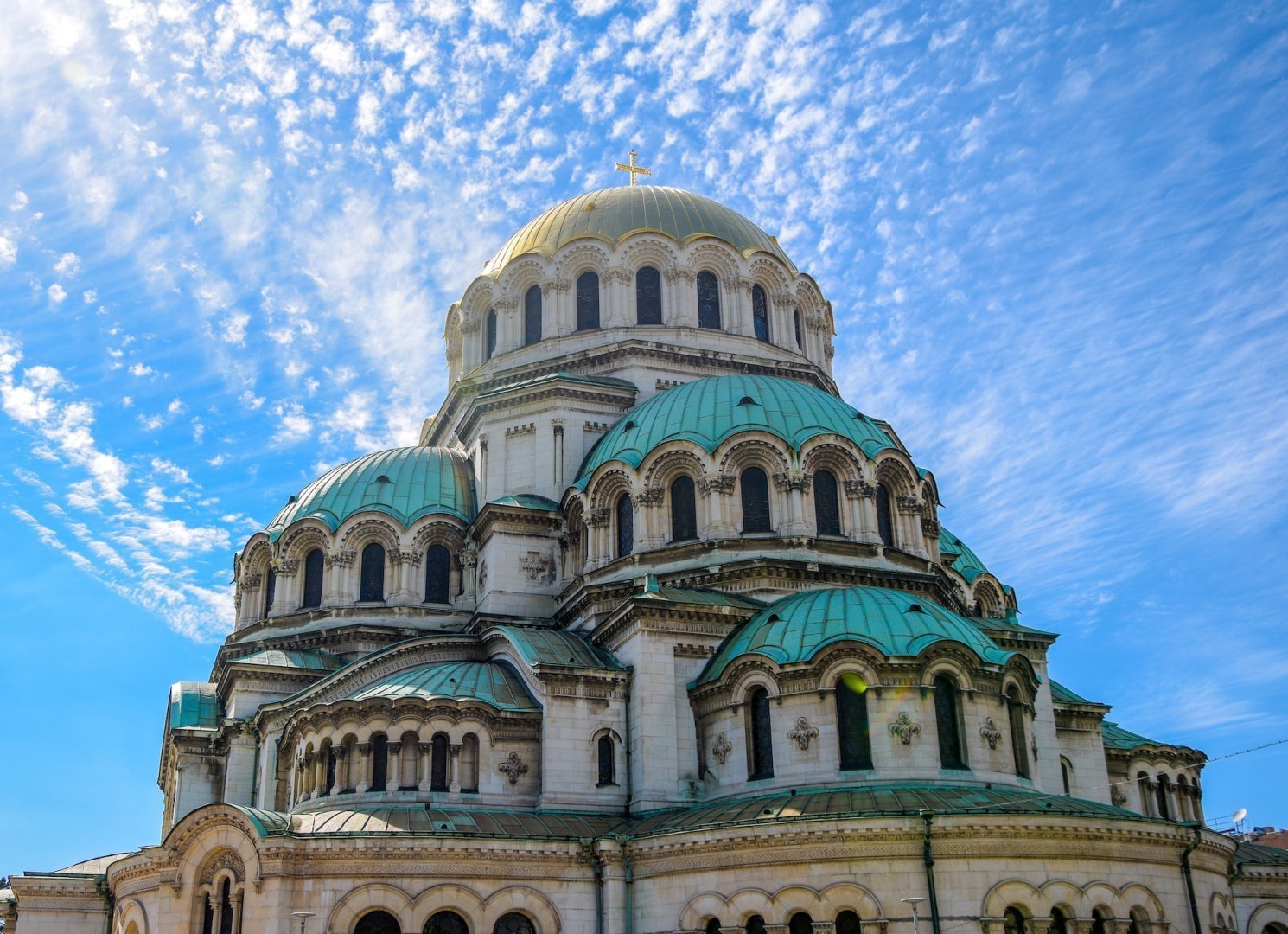
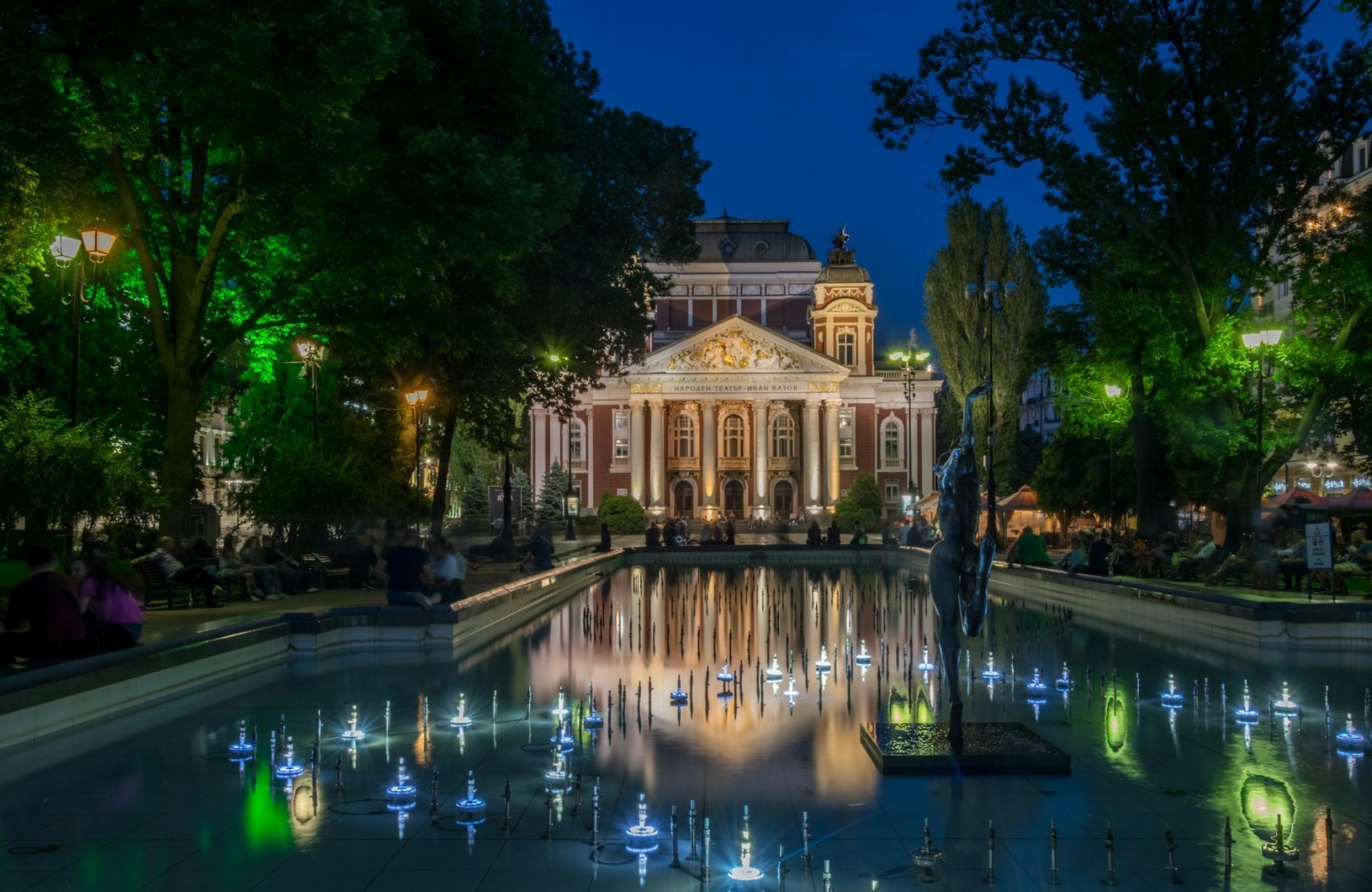
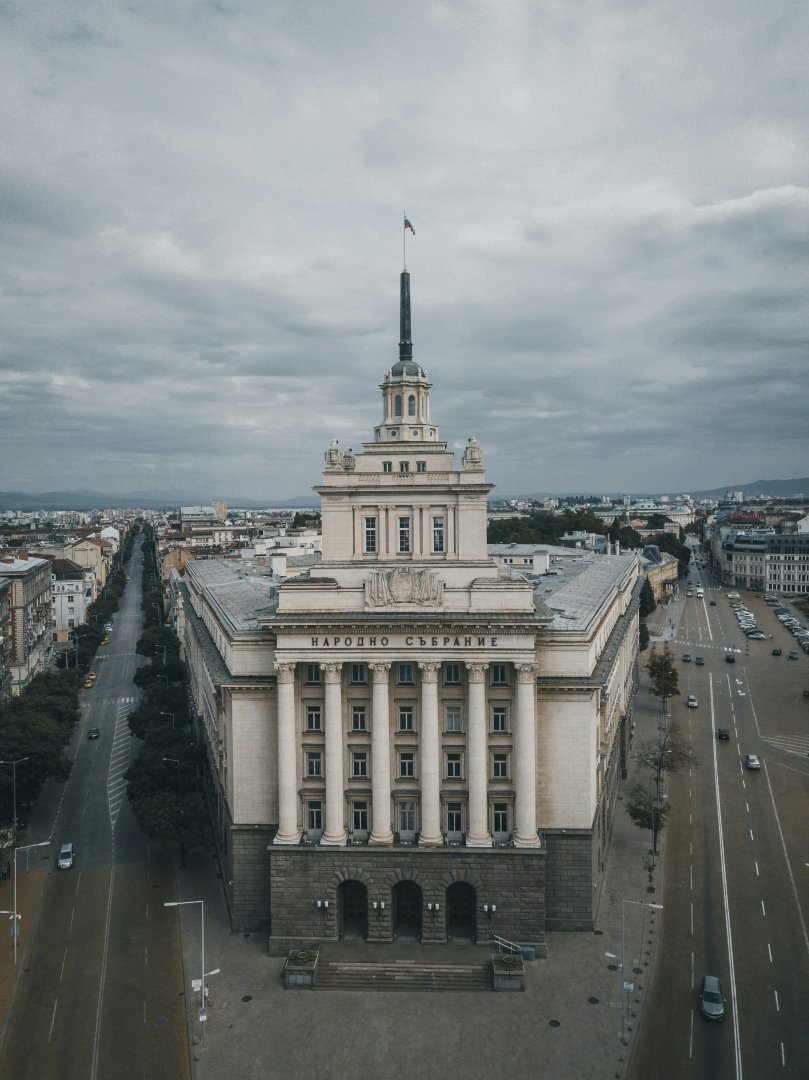
After the Unification of the Principality of Bulgaria and Eastern Rumelia on 6 September 1885, Sofia officially became the capital of united Bulgaria. In the first decades after Liberation, many important buildings were constructed, shaping the capital's distinctive appearance. They included the National Assembly, the Ivan Vazov National Theatre, the Central Mineral Baths, the Academy of Sciences, Sofia University St Kliment Ohridski, the National Library and the St Alexander Nevsky Memorial Cathedral. The most significant and impressive have been designated cultural monuments.
Sofia underwent rapid development and modernisation in the twentieth century. Between the two world wars, it grew considerably, with new districts, streets and public buildings. In 1934, Sofia officially received the status of a city with more than 150,000 inhabitants.
During the Second World War, Sofia suffered several large-scale Allied bombing raids, chiefly in 1943 and 1944. They aimed to destroy military and industrial targets but also caused extensive damage to civilian infrastructure. The raids killed people and destroyed numerous buildings in the city centre, including historic sites and residential areas. Intensive reconstruction began after the war and shaped the capital's appearance in the following decades.
In the post-war period, especially after the 1950s, Sofia became an industrial, cultural and political centre of socialist Bulgaria. Broad boulevards, new housing estates and public buildings were constructed, including the National Palace of Culture, completed in 1981.
In the contemporary period, Sofia is a dynamic metropolis with more than 1.2 million inhabitants as of 2023. It is the centre of Bulgaria's economic, educational and cultural activity. The main institutions of the Republic of Bulgaria are based here, including the Presidency, the Council of Ministers, numerous embassies and international organisations.
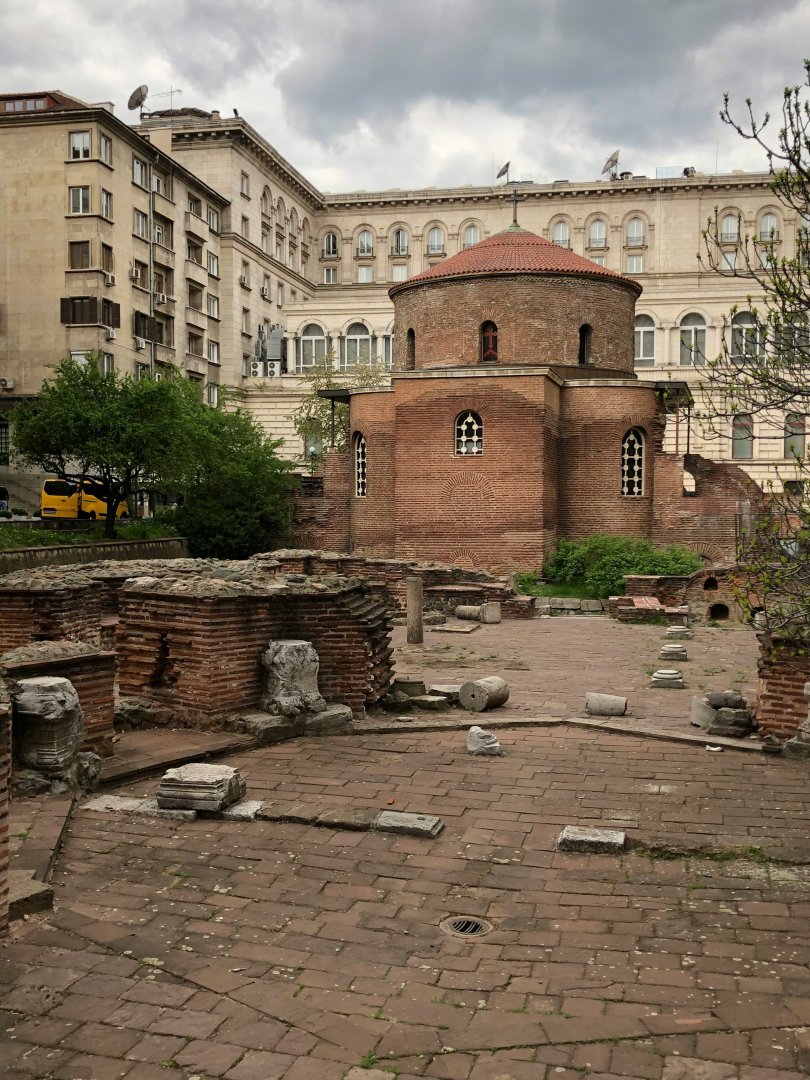
Sofia is also home to many universities, including the Technical University, the Medical University and the National Academy of Music, making it an important regional centre of education and research. Its lively cultural scene includes numerous theatres, galleries, museums and festivals, such as the Sofia International Film Festival and the National Folklore Festival. The city is also known for its rich archaeological heritage. Remains of the Roman city of Serdica, on whose site Sofia was built, are often discovered beneath modern streets and buildings. The Roman amphitheatre and ancient fortress walls are among the historical attractions drawing visitors from around the world.
Sofia continues to develop rapidly, seeking to combine its thousand-year history with modern technology and innovation to offer a contemporary European quality of life.
Share:


