Skopje

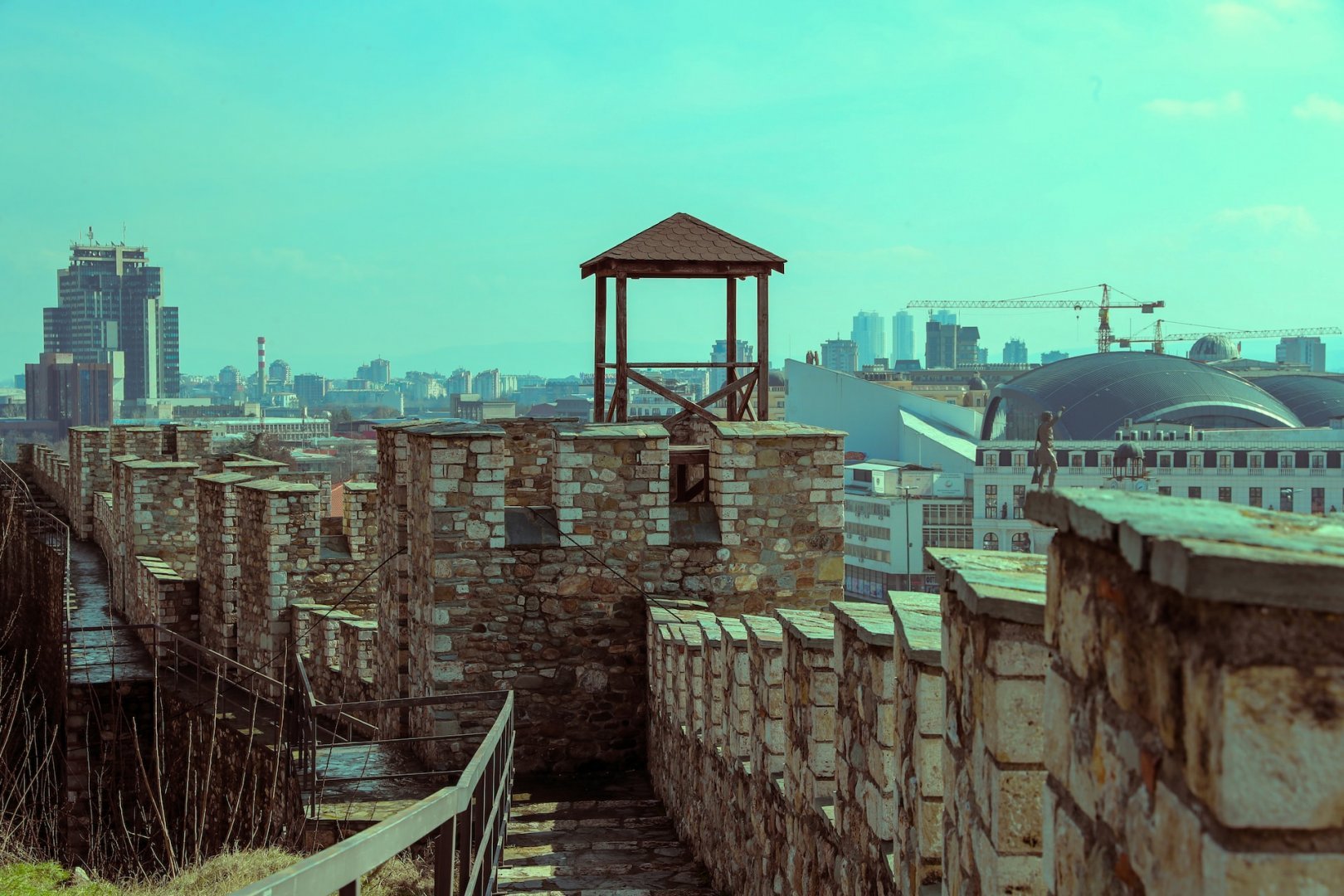

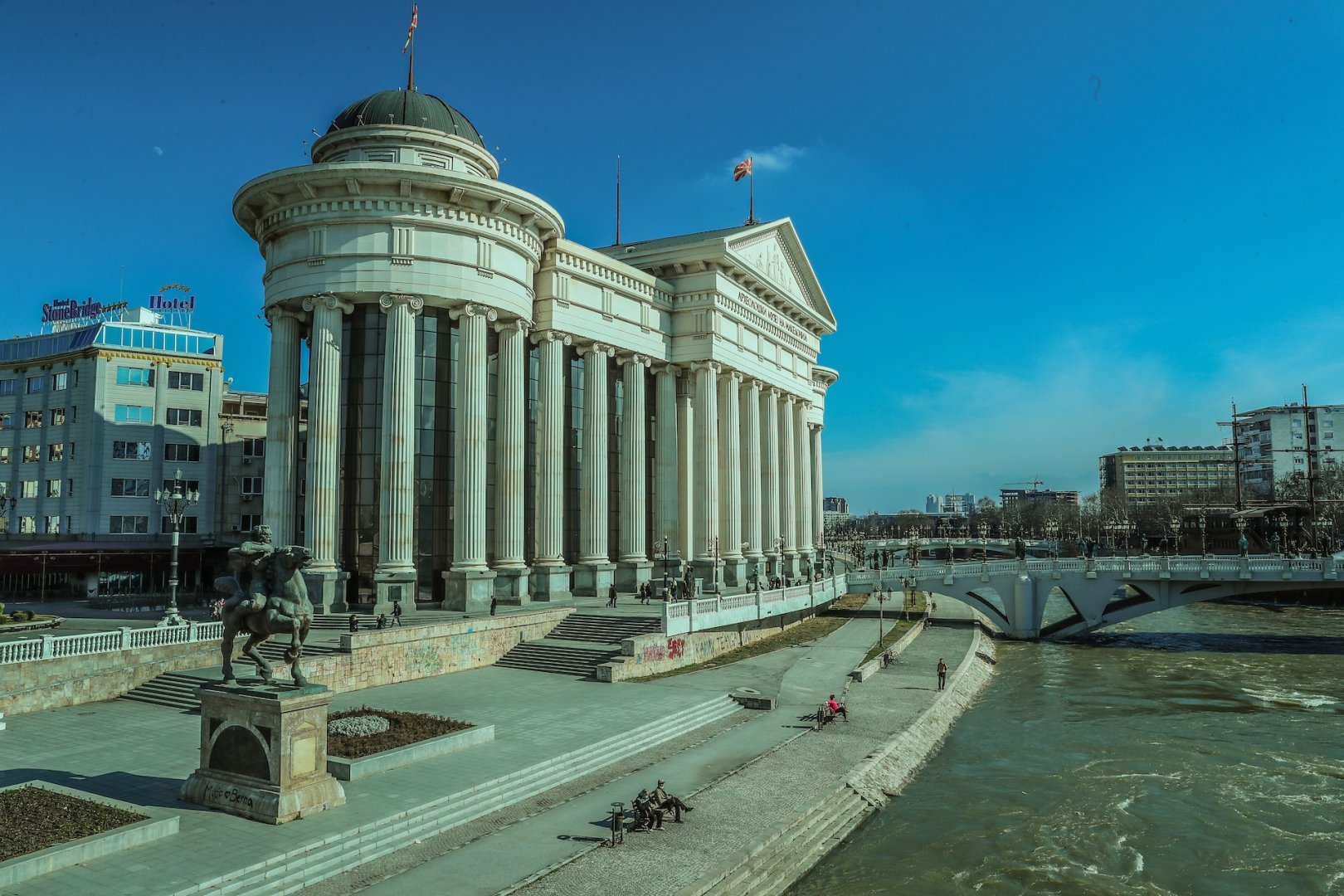
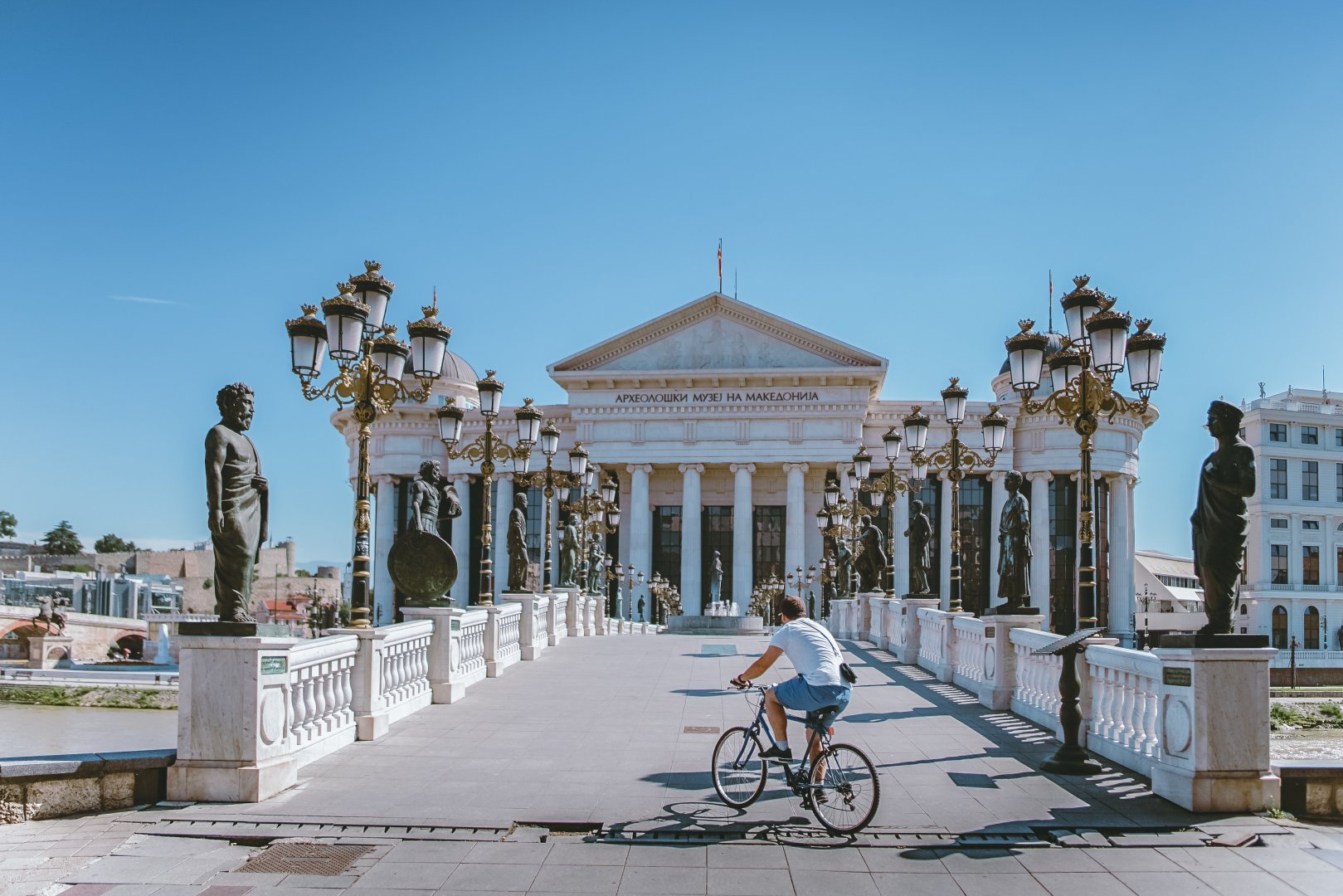
Skopje
Skopje is today the capital of the Republic of Macedonia, but many scholars consider it to have been the third capital of the First Bulgarian Empire, although Macedonian historians dispute this. The city's name comes from the Greek word skopios, translated as a tower or lookout, owing to its former location. Under Presian I and his son St Prince Boris-Michael, Bulgarian territory reached the Adriatic Sea, and Skopje was the centre of one of its nine major military and administrative districts, or komitati. After the Byzantine occupation of the eastern Bulgarian lands, including the capital Veliki Preslav, Skopje remained in free territory ruled by the Cometopuli brothers.
In 978, Roman, the son of Tsar Peter (927–969), escaped Byzantine captivity, was proclaimed Tsar of Bulgaria and chose Skopje as his residence. The city remained the country's capital until 992. In 1003, it was captured by Basil II the Bulgar-Slayer.
Skopje has a long and complex history. Its strategic geographical position made it important to the Balkans throughout the centuries. During the First Bulgarian Empire, it became a military and administrative centre and a trading hub connecting routes between east and west.
After Tsar Peter I's death in 970 and the Byzantine occupation of eastern Bulgaria, the western territories around Skopje remained under the Cometopuli brothers: Boyan, David, Aaron and Samuel. This family played a crucial role in resistance to Byzantium. Samuel later became tsar and founder of the Second Bulgarian Empire, whose capital was initially Prespa and later Ohrid.
Skopje was an important centre in the Cometopuli state and became the seat of Roman, who proclaimed himself tsar in an attempt to restore Bulgarian independence. During this period, the city established itself as Bulgaria's capital, with new fortifications, a strengthened administrative structure and cultural development.
After the Byzantine conquest, Skopje retained its significance as an administrative centre within the Byzantine Empire. Later it became part of the Second Bulgarian Empire and experienced periods of Hungarian and Ottoman rule during the Middle Ages.
Archaeological finds show that the Skopje area was inhabited in antiquity. During the Roman period, the city was called Scupi. Numerous remains of fortresses, churches and public buildings testify to its rich history and cultural heritage.
Although its status as a capital of the First Bulgarian Empire is disputed, Skopje undoubtedly remains a city with a key role in the history of Bulgaria and the region, witnessing important events, rulers and cultural achievements.
Share:


