Znepole

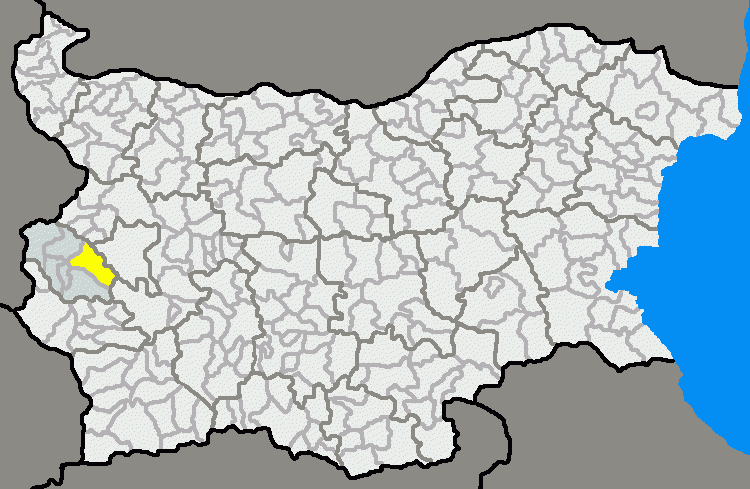
Znepole, also known as the Tran Basin, lies in the valley of the Erma River, surrounded by numerous mountains. More specifically, it is bordered to the north by the Ruy, Rudina and Znepolska Rudina Mountains, and to the south by the Lyutskan, Bohovska and Leshnikovska Mountains. Its eastern boundaries are the Strazha and Ezdimir Mountains. The modern town of Pernik lies within it. Settlements existed in the valley as early as the Neolithic. The slopes surrounding the basin are steep.
The Znepole Basin has been inhabited since the Neolithic, around 6000–4000 BC, as demonstrated by finds of stone tools, pottery and the remains of dwellings. Archaeological excavations around Tran, the Erma Gorge and nearby settlements reveal permanent habitation as early as the Copper Age (Chalcolithic).
During the period of Thracian culture in the second and first millennia BC, the region was inhabited by the Gauls and later came under the influence of the Siriones and Paeonians. Fortified settlements, known as Thracian fortresses or gradishta, were built on high ground to watch the roads crossing the basin.
Following Bulgaria's Liberation in 1878, Znepole became part of the Principality of Bulgaria, although Tran and its surroundings temporarily lay within territories disputed between Bulgaria and Serbia. In 1885, during the Unification of the Principality of Bulgaria and Eastern Rumelia, the Tran region played an important strategic role. Fierce fighting took place in the area during the Serbo-Bulgarian War that year: the Battle of Slivnitsa on 17–19 November 1885 was preceded by manoeuvres through Znepole and the Tran region.
In the early twentieth century, the region developed economically and demographically. After the Balkan Wars of 1912–1913 and the First World War, refugees from the Western Outlands settled here. With the signing of the Treaty of Neuilly in 1919, Bulgaria was forced to cede parts of the Tran region to the Kingdom of Serbs, Croats and Slovenes, later Yugoslavia. Several Znepole villages consequently remained outside Bulgaria's borders, causing severe demographic and cultural losses.
During the interwar period, the region was one of the centres of internal resistance to Serbian occupation of the ceded territories. The Internal Western Outlands Revolutionary Organization and Bulgarian revolutionary detachments were active around Tran and Znepole until the late 1930s.
During the Second World War (1941–1944), Bulgaria temporarily restored administrative control over part of the Western Outlands, including some villages in Znepole, but after the war the border was restored to its 1919 line.
Share:


