Historic sites

181 results

Stolovatets Slabs
The sanctuary in the Stolovatets locality is an important archaeological site in Bulgaria containing marble stelae with interesting relief decorations. Discovered by chance in 1953, the site is associated with a sanctuary probably dedicated to the sun. The stelae date from the end of the Bronze Age and the beginning of the Iron Age.
Southwestern Bulgaria, near Razlog, 1st millennium BC
Read moreStorgozia Fortress
The history of the fortress and settlement of Storgozia in Pleven, north-central Bulgaria, begins in the Late Antique and Early Byzantine period. It is an important historical attraction, with remains situated in the modern Kaylaka Park. Storgozia's history began with a Roman road station built in the centre of present-day Pleven, probably on the site of an older Thracian settlement.
Pleven, First–seventh century
Read moreSvetitsa Mound
Svetitsa is a Thracian burial mound near Kran in Kazanlak Municipality, Stara Zagora Province. It dates from the 5th century BC and is distinguished by the discovery of a gold mask, weapons and various vessels. The grave is thought to belong to a Thracian ruler.
Stara Zagora Province, near Shipka, 5th century BC
Read more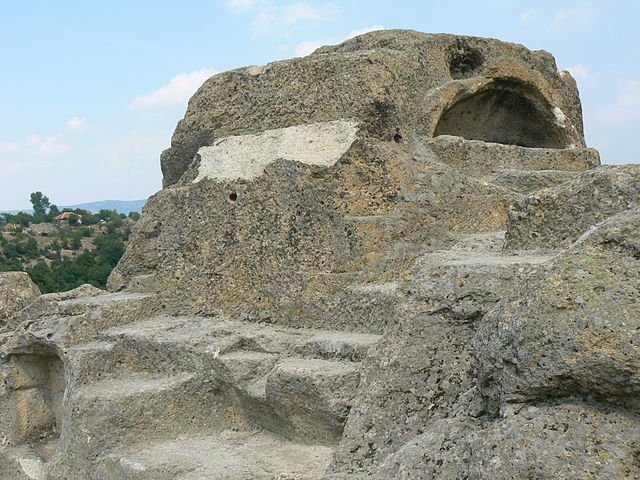
Tatul Sanctuary
Tatul is an age-old sanctuary of the ancient Thracians near Momchilgrad. This archaeological site includes a unique sarcophagus shaped like a truncated pyramid, making it one of the most remarkable megalithic monuments in Bulgaria and the world. The complex lies 200 m from the village of Tatul, in the Kara Dere and Kaya Basha localities, approximately 15 km from Momchilgrad.
Kardzhali Province, near Tatul, Fifth millennium BC–thirteenth century AD
Read moreThe Bloody Spring
The Bloody Spring is a locality and memorial fountain in Bulgaria's Balkan Mountains where Georgi Benkovski, the chief revolutionary organiser of the April Uprising, died. Situated three kilometres south of Ribaritsa's Kostina hamlet in the Teteven Balkan Mountains, the spring witnessed the voivode's tragic death on 15 May 1876 following betrayal near the river of the same name. After the killing, Turkish soldiers washed the Apostle's severed head in the nearby spring.
Balkan Mountains, Ribaritsa village, 1886
Read more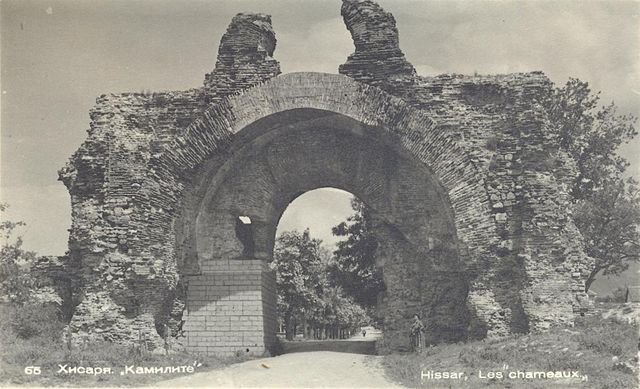
The Camels of Hisarya
The history of Hisar is closely connected with the Roman Empire. When the Romans arrived in these lands, they found a small Thracian settlement. However, the town's healing springs attracted the attention of the Roman rulers.
Hisarya, 1st–7th centuries
Read more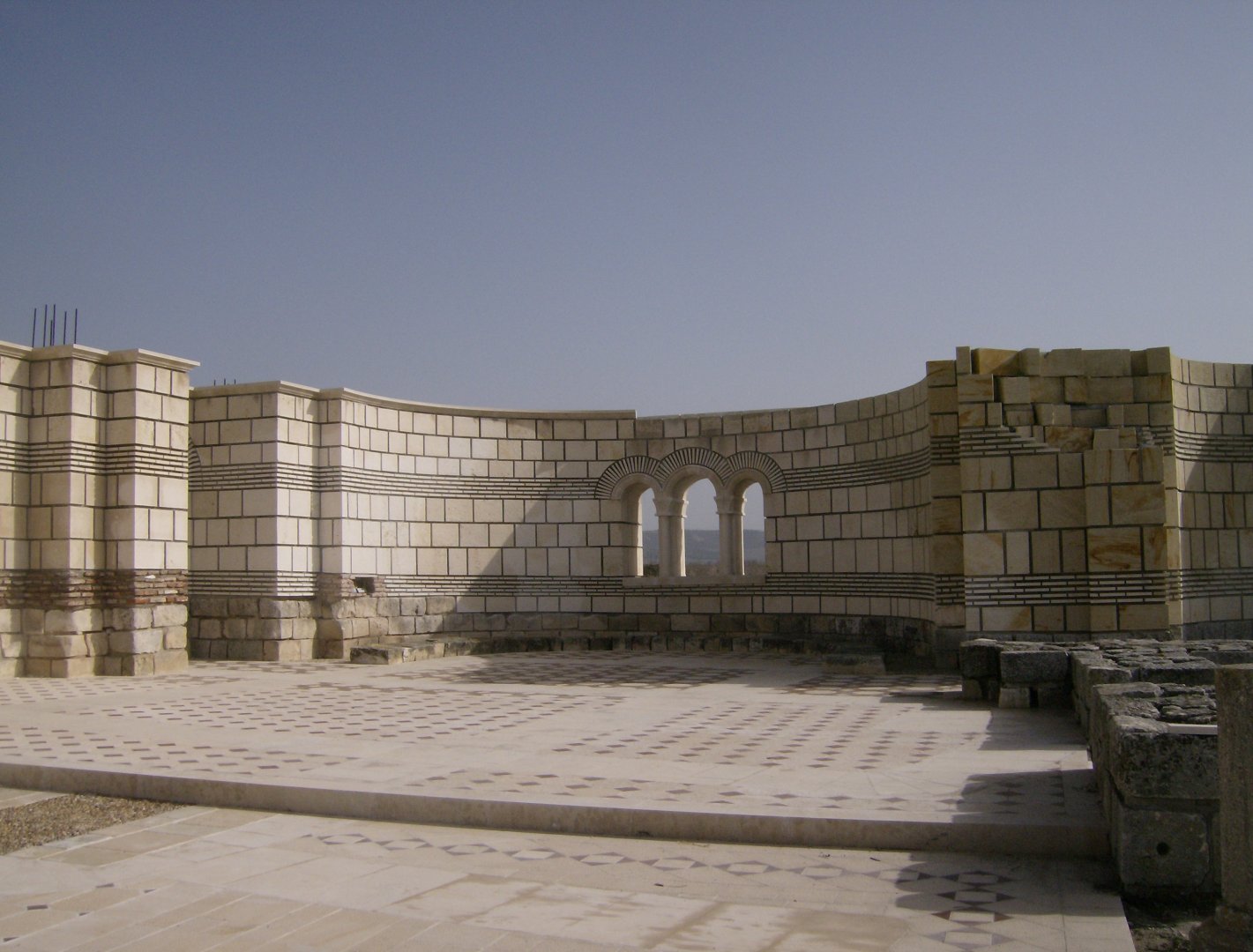
The capital of Pliska
The remains of the former Bulgarian capital have been uncovered on flat terrain near the village of Aboba in the Shumen region. The Bulgar state chose this location as its capital as early as the end of the 7th century because of its central position. A truly fortified centre of statehood, however, emerged only towards the end of the 8th century, when earthwork camps were established.
North-eastern Bulgaria, 7th century
Read more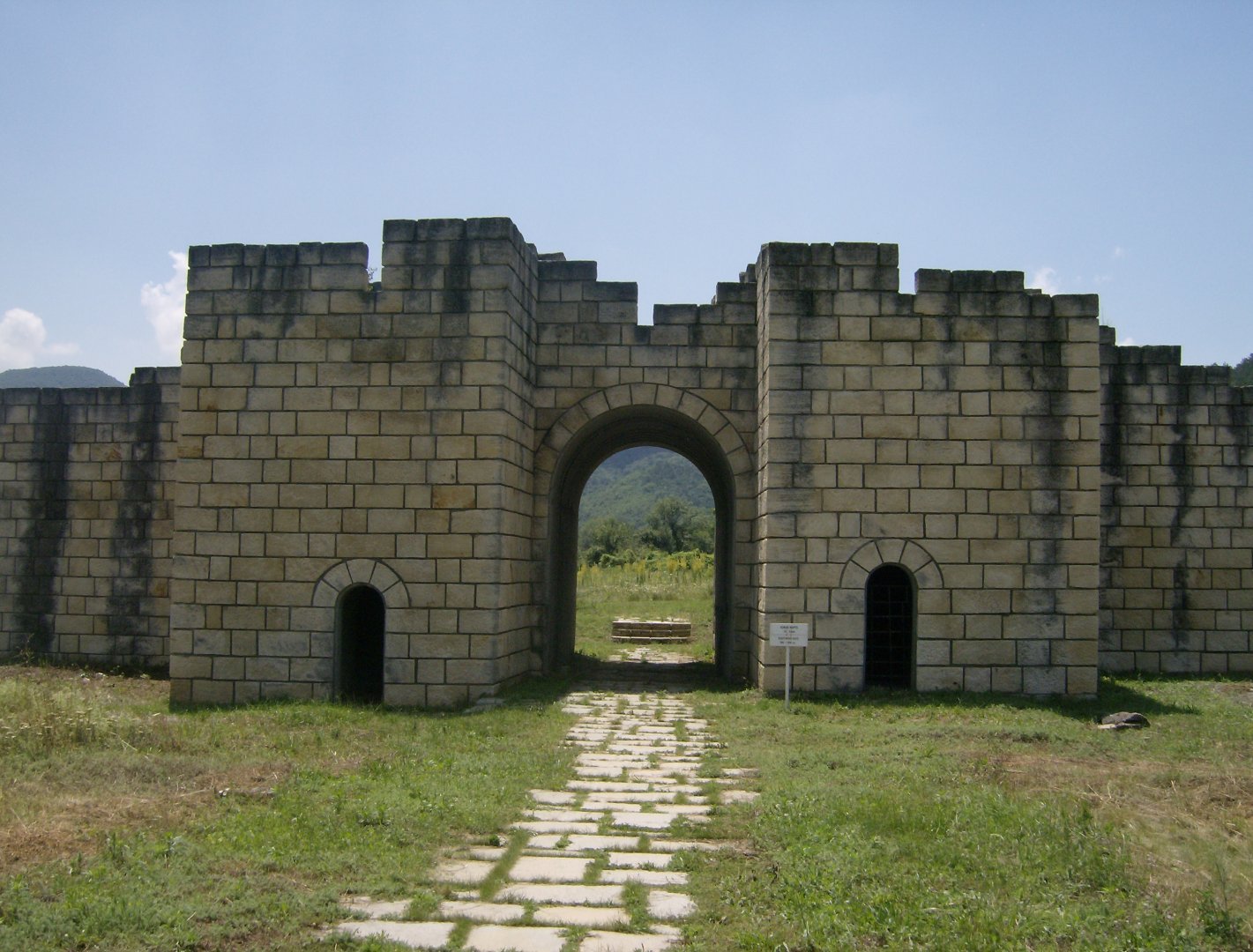
The capital of Preslav
Preslav was the second capital of the First Bulgarian Empire. It was initially established as a residence of secondary importance, with a group of military camps and fortified palaces known as auls. The development of Preslav as the Bulgarian state’s capital began under Prince Boris I and was completed in the 10th century by Tsar Simeon and Tsar Peter, under whom it reached its greatest prosperity.
North-eastern Bulgaria, 9th century
Read more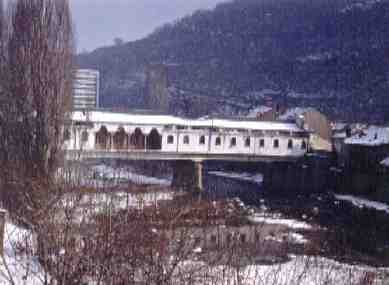
The Covered Bridge in Lovech
The Covered Bridge in Lovech is a unique engineering achievement connecting the newer part of town with the Varosha Architectural and Historical Reserve. It is the only bridge of its kind on the Balkan Peninsula and Lovech's official symbol. Interest in it dates as early as 1838, when the French traveller Ami Boué described it as a "covered stone bridge adorned with little shops".
Lovech, 1874–1982
Read more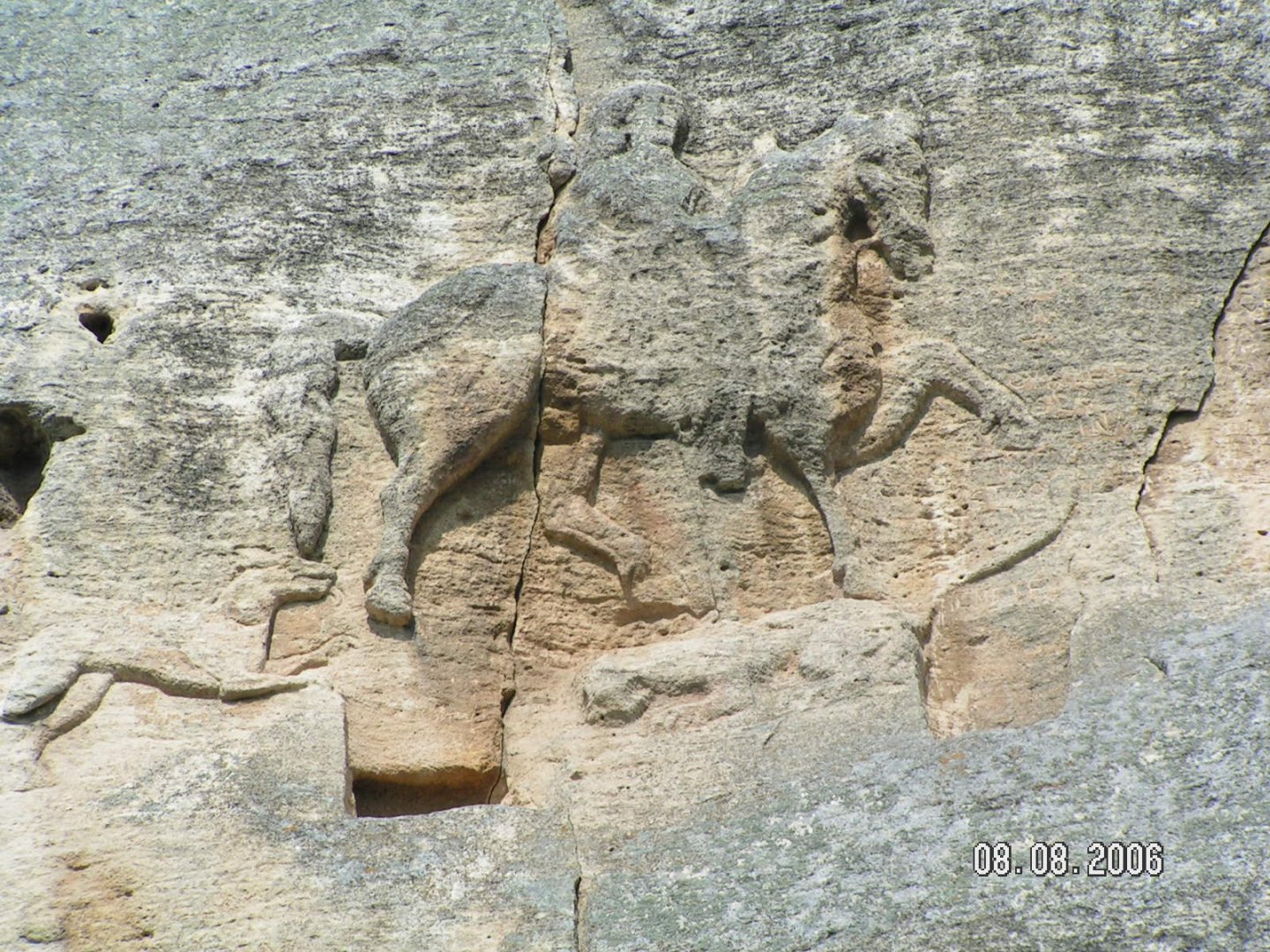
The Madara Rider
The Madara Rider is a medieval bas-relief carved into a sheer rock face near the present-day village of Madara in north-eastern Bulgaria. It is the only relief of its kind in Europe from the Early Middle Ages and has been designated a UNESCO World Heritage monument. The Madara Rider is the principal symbol of the Madara National Historical and Archaeological Reserve, which encompasses a series of religious, cultural and military sites.
Near Shumen, Bulgaria, 8th century
Read moreThe Red Church
The Red Church of the Holy Mother of God, also known simply as the Red Church, is an ancient Christian place of worship that functioned from the fourth to the fourteenth century. Situated near Perushtitsa, Bulgaria, it is now ruined but retains its historical and cultural significance. It was designated a national antiquity in 1927 and a cultural monument of national significance in 1966.
Plovdiv Province, near Perushtitsa, Fifth–sixth century
Read moreThe Second Asen's Fortress
The Second Asen's Fortress, near Klokotnitsa village five kilometres from Haskovo, is a little-known site with a rich history. Here, on 9 March 1230, Tsar Ivan Asen II won an important victory over the forces of the Byzantine emperor Theodore Komnenos. The battle was crucial for Bulgaria, opening the way to three seas: the Black, Aegean and Adriatic.
Klokotnitsa village, 5 km from Haskovo, 9 March 1230
Read more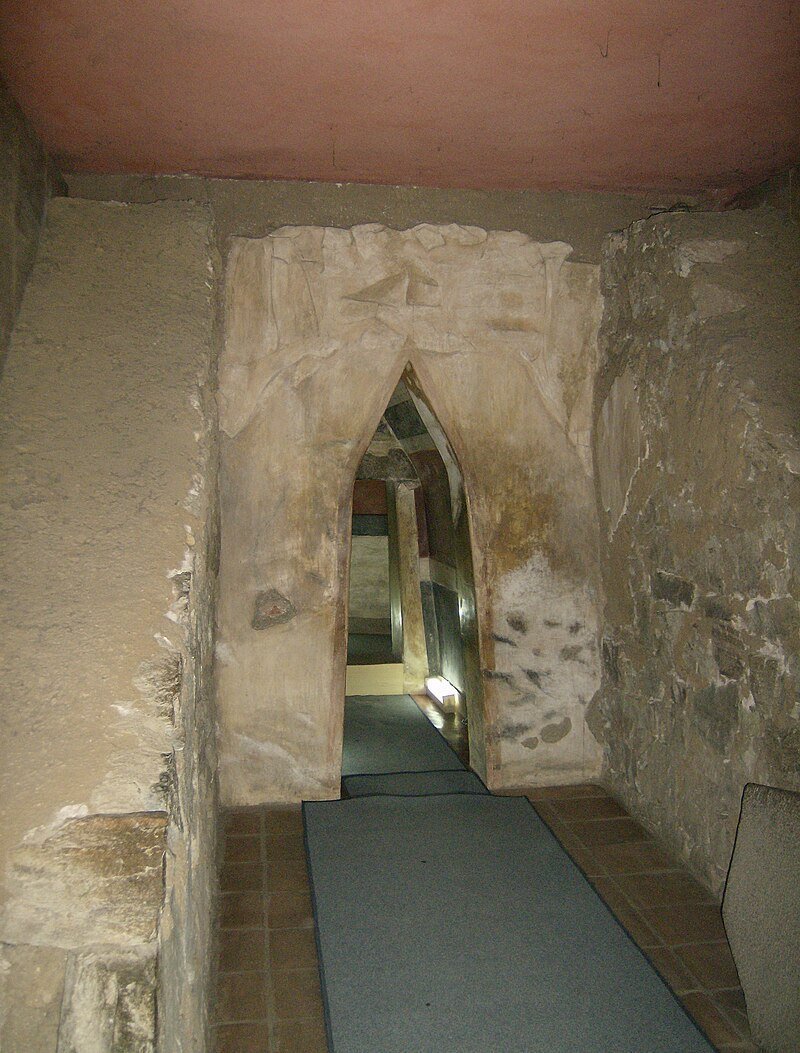
Thracian Tomb of Kazanlak
The tomb at Kazanlak is world-famous for the exceptionally preserved wall paintings in its corridor and domed chamber, which make it one of the best-preserved monuments of ancient painting from the Early Hellenistic period. The walls of the dromos and burial chamber display exceptional painted decoration covering 40 square metres. These paintings depict various moments from the earthly, military and afterlife existence of the Thracian ruler buried in the tomb.
Kazanlak, Fourth/third century BC
Read more
Thracian Tomb of Sveshtari
The Sveshtari Tomb is one of Bulgaria's most significant Thracian religious complexes. The tomb is included on UNESCO's World Cultural and Natural Heritage List. The decoration and architectural style of its burial chamber make it an exceptionally valuable example of Thracian art.
Northeastern Bulgaria, Razgrad Province, Third century BC
Read moreTomb of Bastet
The cave situated about 3 km west-southwest of Malko Tarnovo, near the Bulgarian–Turkish border at the foot of Golyamo Gradishte Peak, is associated with the Egyptian goddess Bastet. Known for joy, love and fertility, she is depicted as a woman with a cat's head. A local myth tells of Bastet's tomb, discovered in 1981 by a local treasure hunter.
Bulgaria's border with Turkey, Malko Tarnovo, 8th century BC
Read moreTomb of Seuthes III
Golyama Kosmatka is a Thracian burial mound 1 km south of Shipka, Bulgaria. It is one of the rare preserved and unbroken Thracian tombs, probably belonging to Seuthes III. Golyama Kosmatka is among the largest mounds in Thrace, reaching a height of 23 m and a diameter of 130 m.
Stara Zagora Province, near Shipka, Fourth century BC
Read more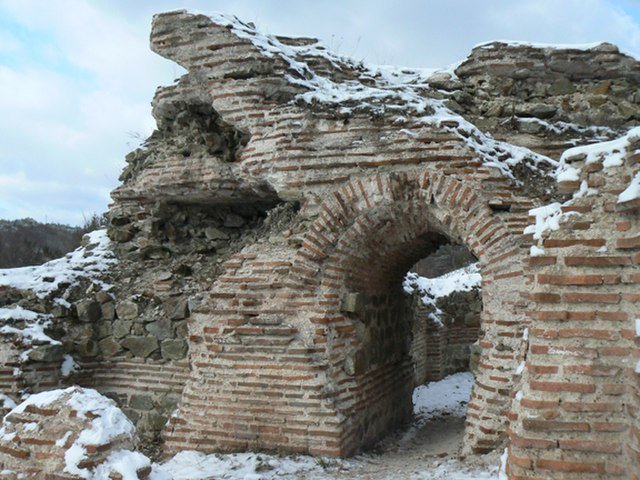
Trajan's Gate Fortress
Trajan's Gate is an ancient Roman fortress and road tunnel in the Ihtimanska Sredna Gora Mountains, in Kostenets Municipality, Bulgaria. The pass plays an important historical role, connecting Central and Western Europe with Constantinople. In antiquity it was called Succi; after the sixth century it also acquired the Greek name Basilikai Pylai, meaning "Royal Gate", and from the ninth century it was also called the Bulgarian Gate.
Kostenets Municipality, Around the eighteenth century
Read more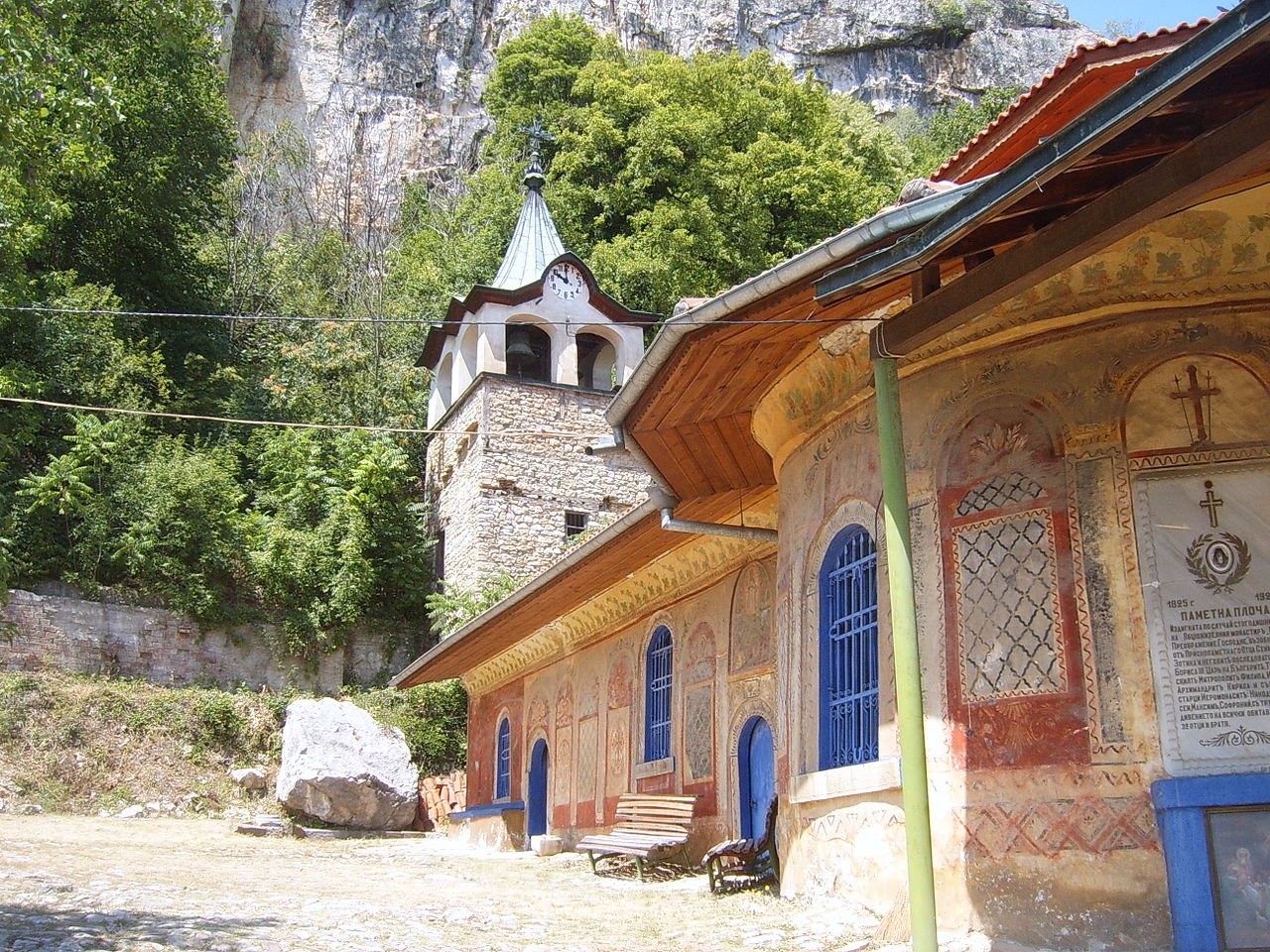
Transfiguration Monastery
The Transfiguration Monastery is a historic site in northern Bulgaria, seven kilometres north of Veliko Tarnovo, in the Dervent Gorge of the Yantra River. Founded during the Second Bulgarian Empire in the thirteenth–fourteenth century, it is Bulgaria's fourth-largest monastery and the largest around Veliko Tarnovo. It is also known as Sara's or Shishman's Monastery, associated with Sara, the second wife of the Bulgarian tsar Ivan Alexander, and their son Tsar Ivan Shishman.
Veliko Tarnovo Province, Thirteenth–fourteenth century
Read more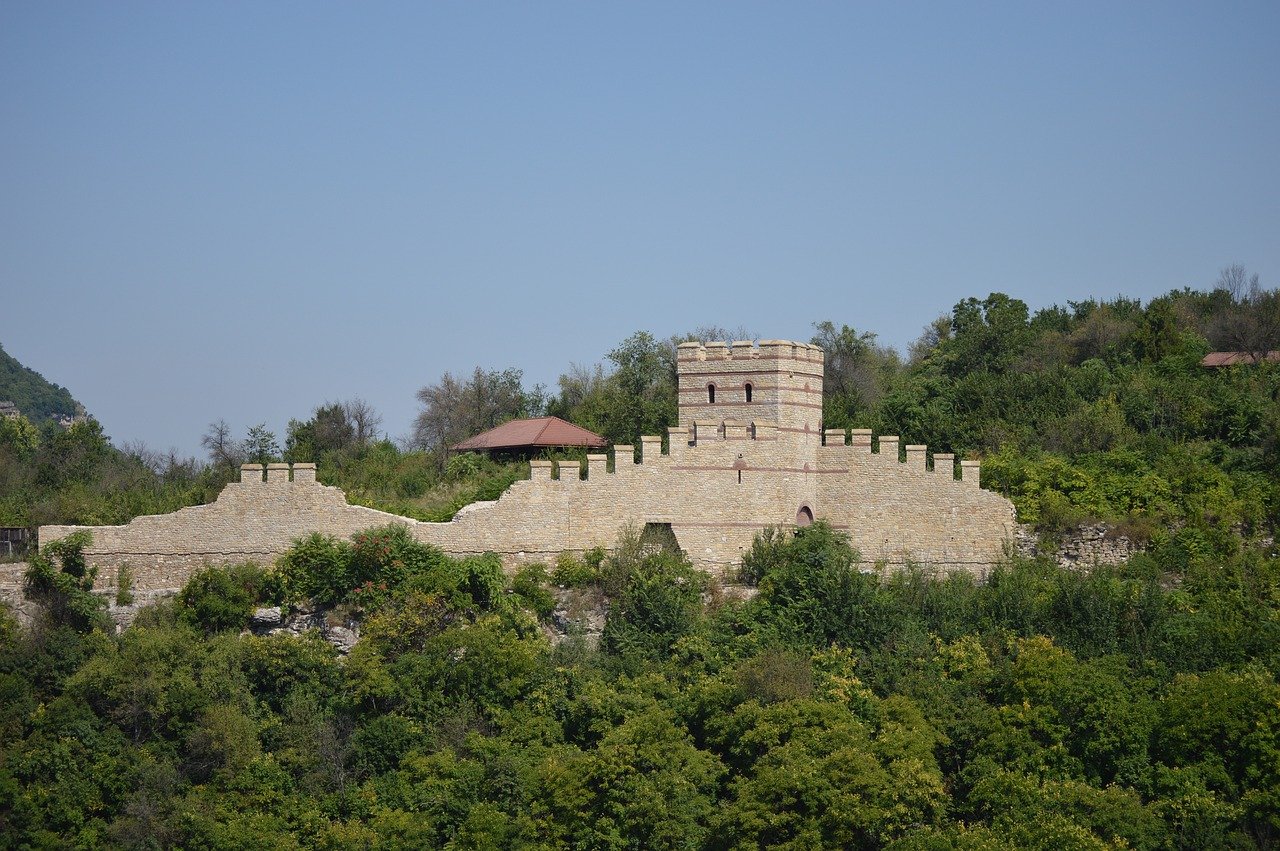
Trapezitsa
Trapezitsa Fortress is located in present-day Veliko Tarnovo, north-west of Tsarevets Fortress. It was built on a previously uninhabited hill and was the second fortress in the inner town of medieval Tarnovgrad. The hill is surrounded on three sides by the Yantra River.
Northern Bulgaria, 12th century
Read more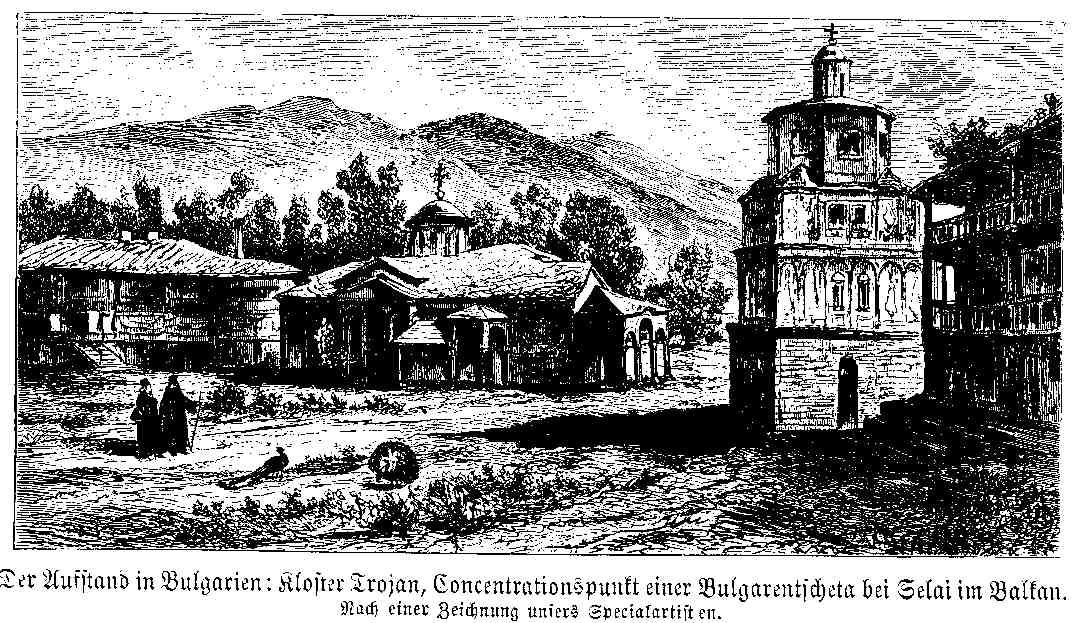
Troyan Monastery
The Troyan Monastery of the Dormition of the Mother of God is a stavropegial monastery of the Bulgarian Orthodox Church, situated in Oreshak on the Cherni Osam River, approximately ten kilometres from Troyan. The monastery's history begins around 1600 under Abbot Kalistrat. According to tradition, monks from Mount Athos brought its sacred treasure, the wonder-working icon of the Three-Handed Mother of God, a copy of the old miraculous icon in Hilandar Monastery dating from the fourteenth century.
Lovech Province, near Troyan, Seventeenth–nineteenth century
Read more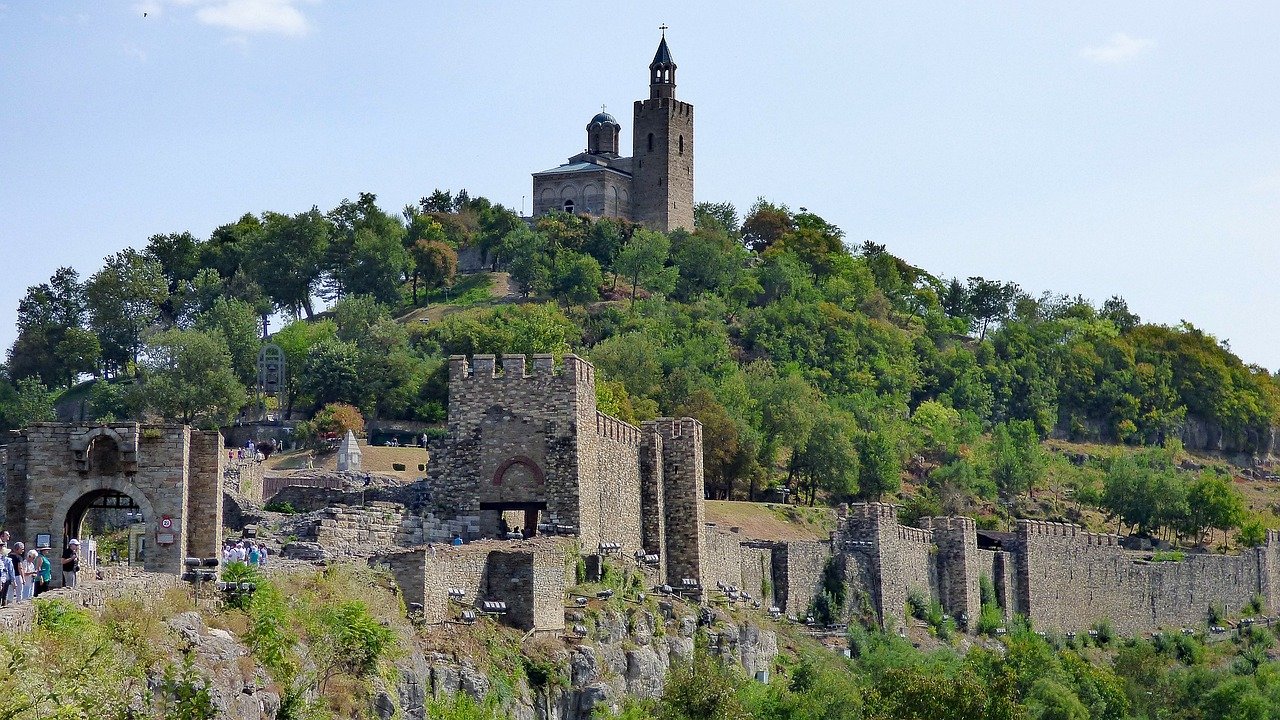
Tsarevets medieval fortress
During the Middle Ages, Tsarevets was the principal fortress of the Bulgarian tsars during the Second Bulgarian Empire (1185–1393), when Tarnovo was Bulgaria’s capital. In this period, the hill was completely built up with residential and administrative buildings. The fortifications of Tsarevets can be divided into three construction phases.
Near the old town of Veliko Tarnovo, 12th century
Read more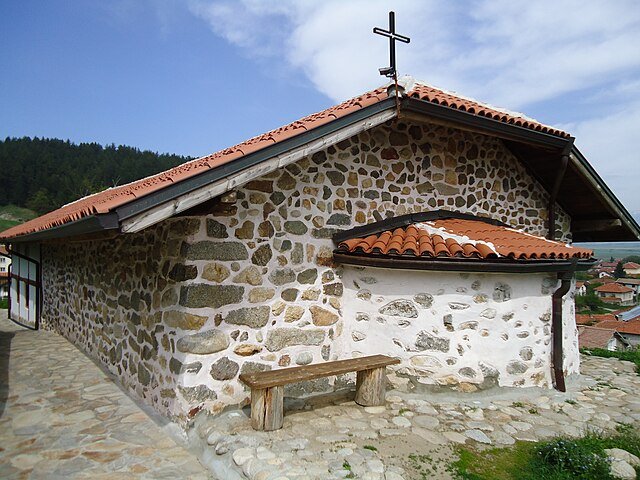
Tsari Mali Grad
Tsari Mali Grad is a Late Antique Roman fortress and fortified settlement in south-western Bulgaria, in Samokov Municipality, Sofia Province. This archaeological site, on St Spas Hill in the Verila Mountains above the village of Belchin, was investigated between 2007 and 2010. The earliest traces of human activity on St Spas Hill date to the Early Iron Age, from the 8th to the 6th century BC.
South-western Bulgaria, 4th–6th centuries
Read more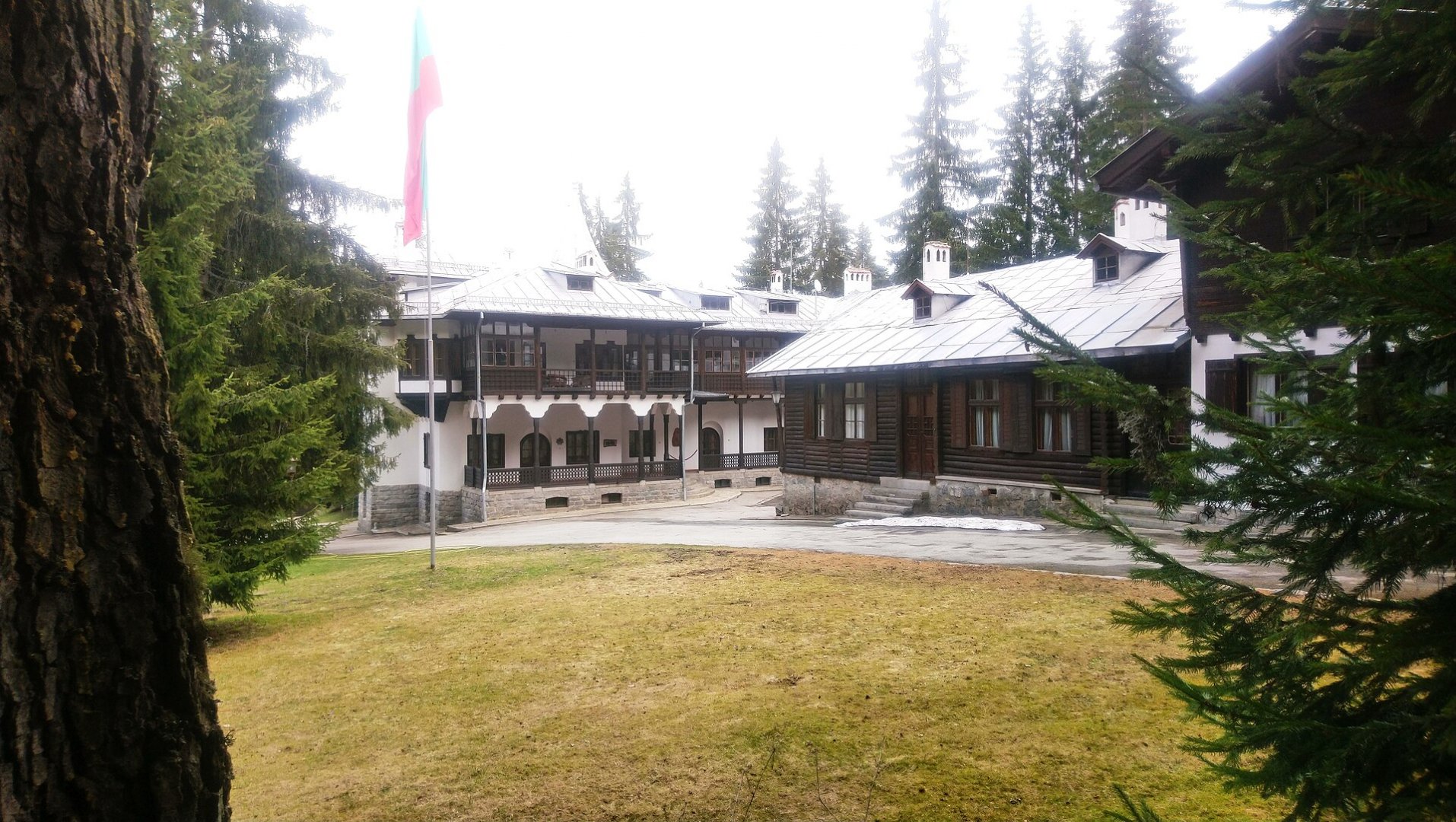
Tsarska Bistritsa Palace
Tsarska Bistritsa is a palace used by the rulers of the Third Bulgarian Kingdom. Situated above the resort of Borovets in the Rila Mountains, this historic site was built between 1898 and 1914 and served as a hunting lodge for Tsars Ferdinand I and Boris III. Its architecture combines the traditional Bulgarian National Revival style with European influences.
Samokov Municipality, Rila Mountains, 1898–1914
Read more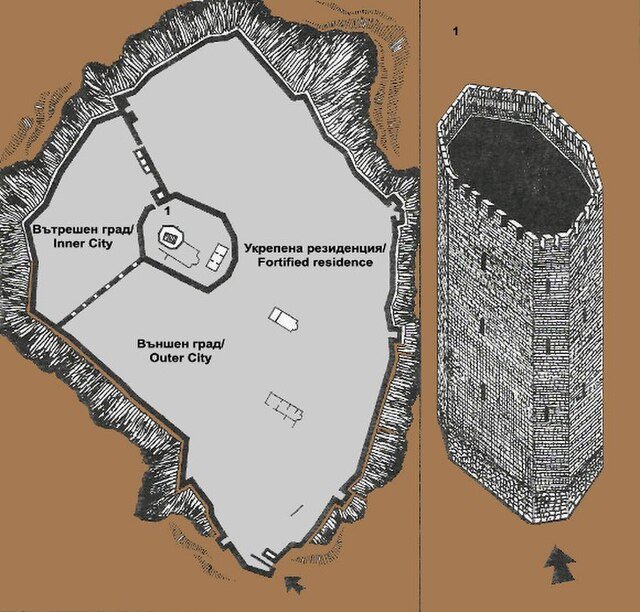
Tsepina Fortress
Tsepina Fortress is a historical and archaeological site that played an important role in different periods of Bulgaria's history. Established in the mid-ninth century, it witnessed the arrival and departure of various rulers and empires. Tsepina became the seat of Despot Alexius Slav's domains after 1207, when he declared himself independent.
Southern Bulgaria, Rakitovo Municipality, Ninth century
Read more