Territories

34 results
The Ohrid Region
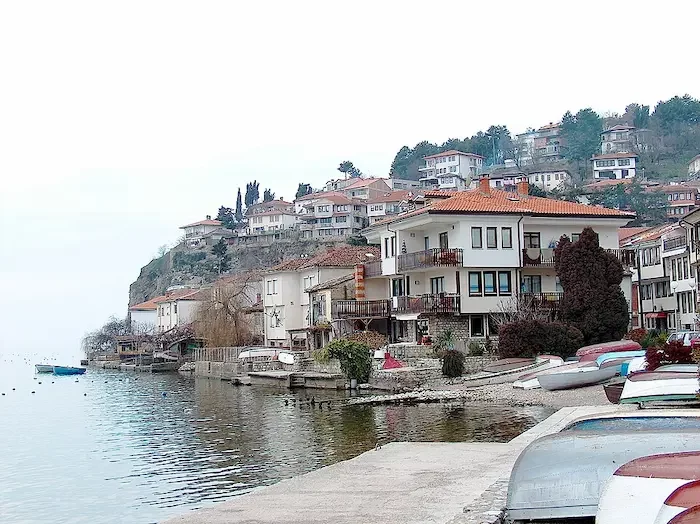
The Ohrid region is an important area around the modern city of Ohrid and Lake Ohrid, on the border between present-day North Macedonia and Albania. During the Middle Ages, it became one of the most important political, military and spiritual centres of Bulgarian statehood, particularly in the late tenth and early eleventh centuries. Ohrid and its surroundings have been inhabited since antiquity.
The Thessaloniki Region
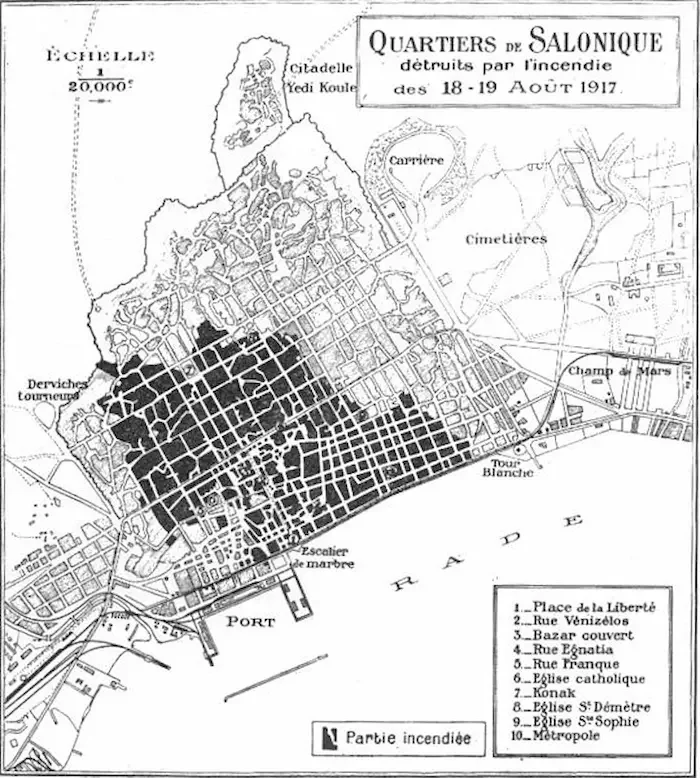
The Thessaloniki region, in the northern part of Aegean Macedonia around the modern city of Thessaloniki, known in Bulgarian as Solun, played a key role in the Bulgarian state's military ambitions from the time of the First Bulgarian Empire. As early as the reign of Khan Krum (803–814), the Bulgarian army reached the walls of Thessaloniki as part of large-scale offensives against Byzantium in the early ninth century. In 904, under Tsar Simeon the Great (893–927), the city was again threatened by Bulgaria.
The Timok Region
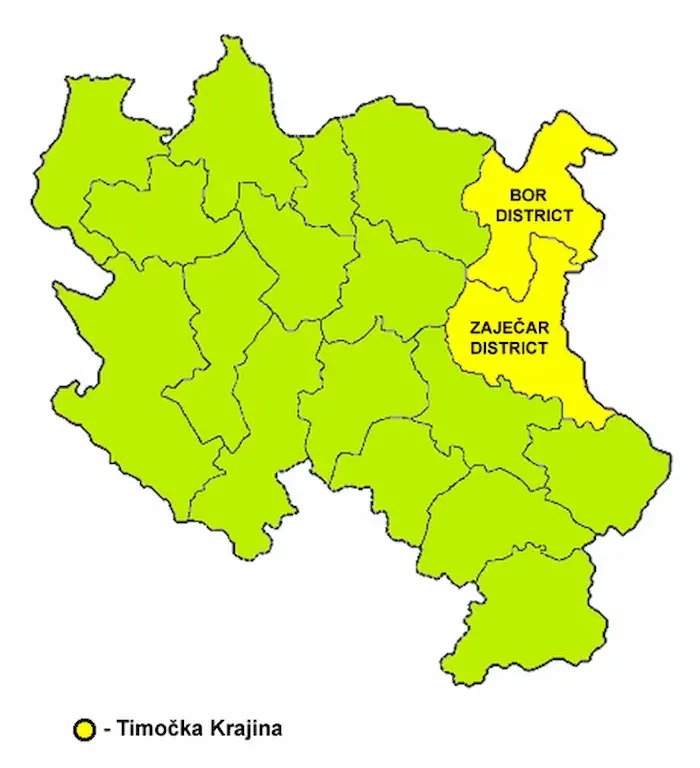
The Timok region, also known as Timoshko, is a historical, geographical and ethnographic area extending on both sides of the Timok River, the natural boundary between modern Bulgaria and Serbia. Although part of the region now lies in Serbia, it remains closely connected with Bulgarian history, language and culture. The region includes the lands around the Timok's tributaries—the Beli, Crni and Svrljiški Timok—and extends to its confluence with the Danube near Negotin.
The Volga Region
Povolzhye, from the expression “along the Volga”, is the territory extending along the River Volga. Today it is part of Russia, but in the past it was the territory of Volga Bulgaria. Following the migration of some Bulgar tribes in the early ninth century, the state of Volga Bulgaria emerged in the Middle Volga region.
Thrace
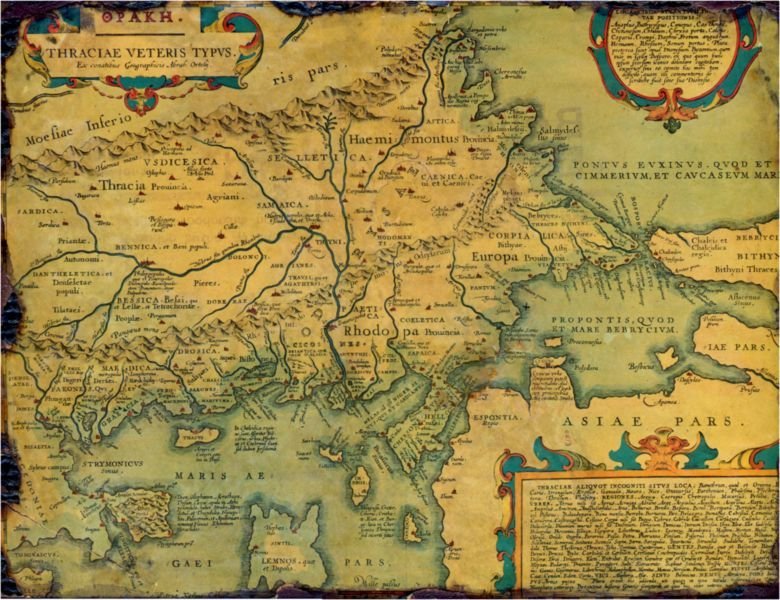
During the First Bulgarian Empire (681–1018), the territory of Thrace in Bulgaria was of great importance. Thrace lies south of the Danube and forms a significant part of the state's southern frontier. At that time, it encompassed a substantial portion of today's Bulgarian lands, including the areas around cities such as Sofia, Plovdiv and Stara Zagora.
Transdanubian Bulgaria
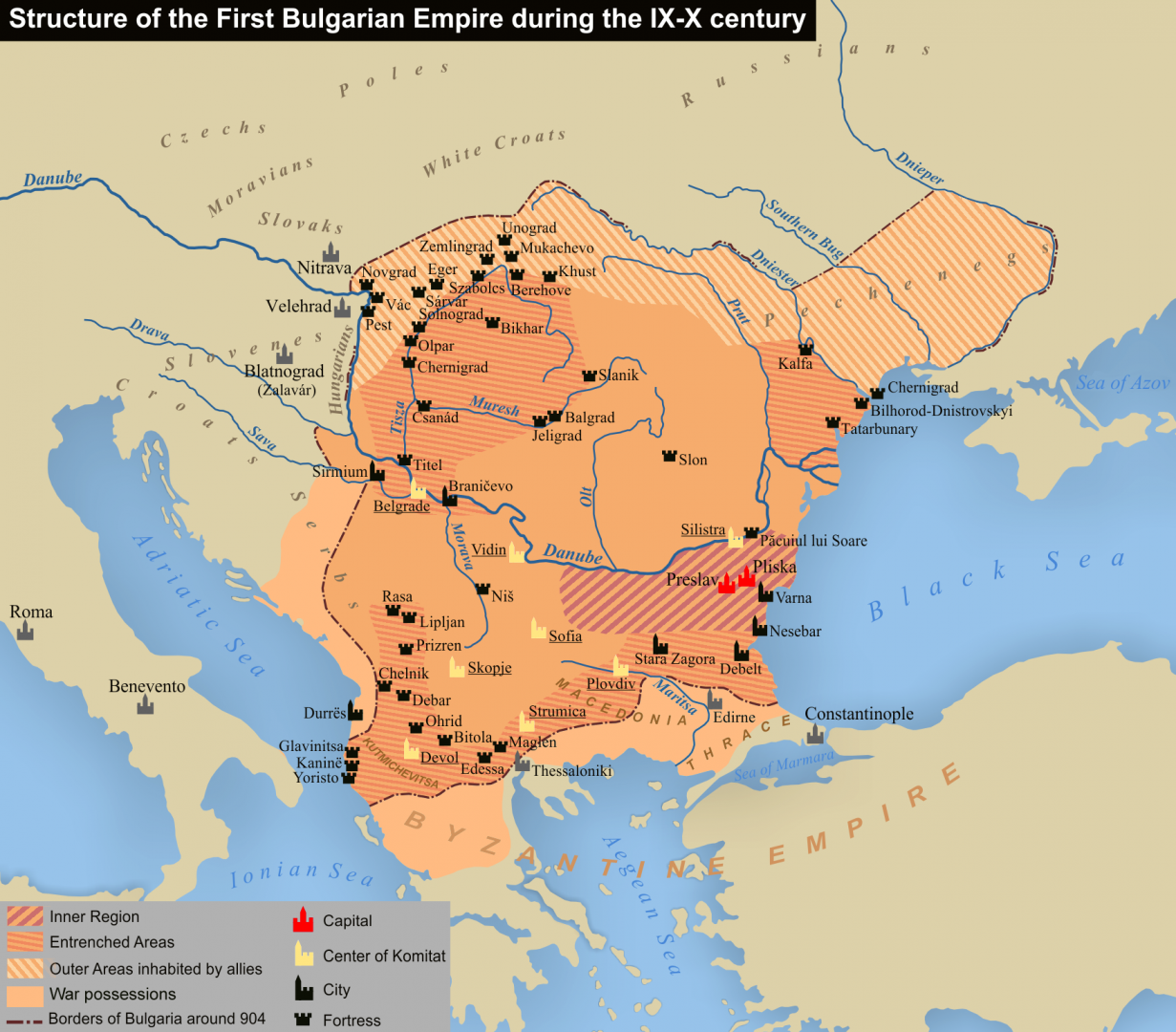
Transdanubian Bulgaria is a term used in Bulgarian historiography to denote the territories under the authority and control of the Bulgarian state north of the Danube during the Middle Ages. These lands include parts of modern Romania and Moldova, eastern Hungary, Vojvodina in Serbia, and Budjak and Yedisan in Ukraine. Transdanubian Bulgaria was held and controlled by the Bulgarian state, with periodic interruptions, from its formal foundation in 681 until its fall under Ottoman rule in 1422–1430.
Voden
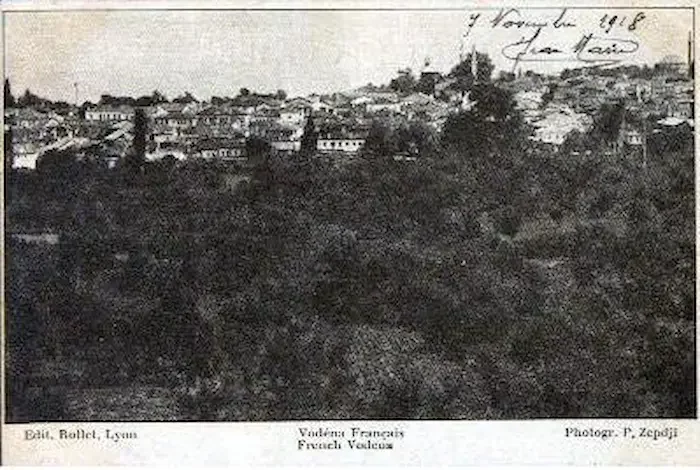
Voden, now known as Edessa in northern Greece, is a historical area with deep roots in Bulgarian history and culture. Situated in north-western Aegean Macedonia, Voden was a strategically important centre that repeatedly came into contact with, and under the influence of, Bulgarian rulers and states. The first significant Bulgarian traces in the Voden region date from the First Bulgarian Empire (680–1018).
Wallachia
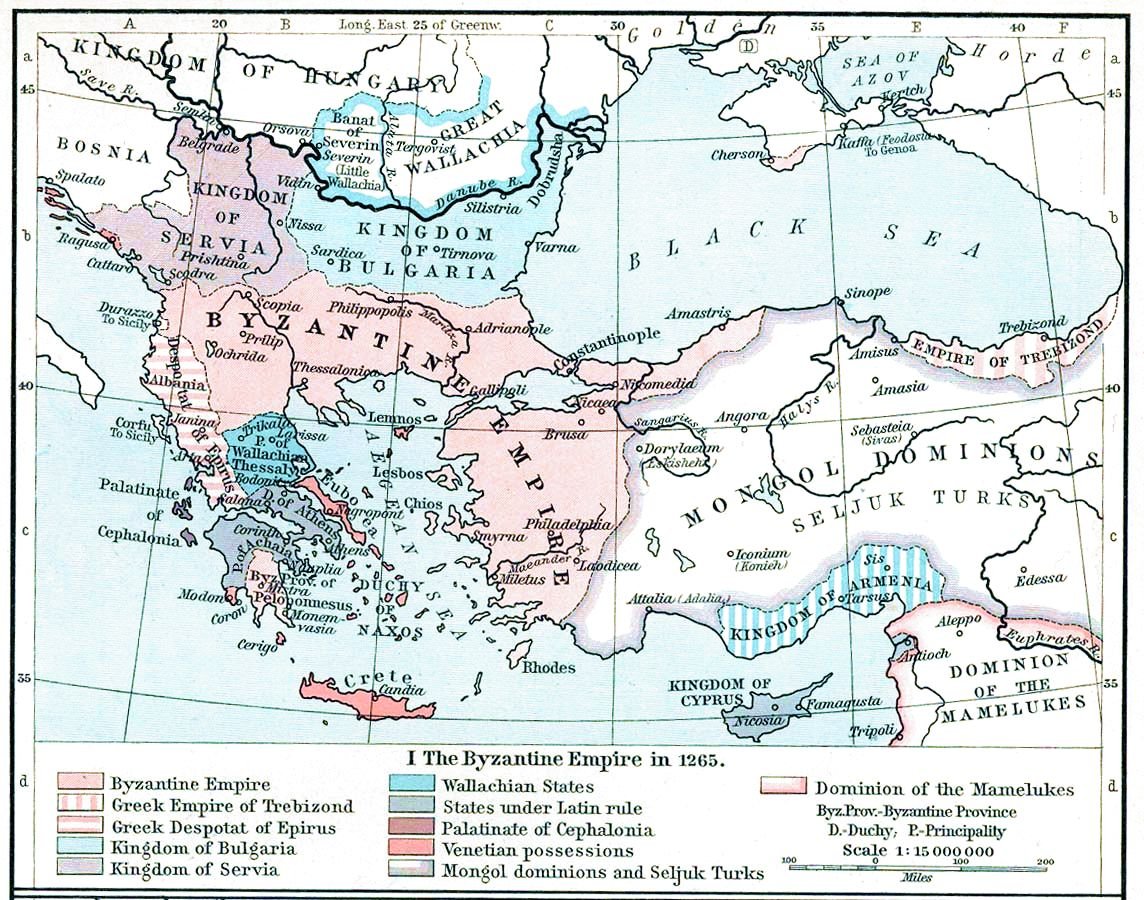
The Principality of Wallachia formed part of the Bulgarian state from its foundation following the migration of the Bulgars under Khan Asparuh in 681 until the First Bulgarian Empire fell under Byzantine rule in 1018. Following Bulgaria's restoration under the Asen dynasty, the lands north of the Danube once again became part of the Bulgarian state. In the mid-thirteenth century, the Franciscan friar and traveller William of Rubruck wrote that the Principality of Wallachia belonged to Asen, meaning the Bulgarian tsar Michael II Asen.
Zagore
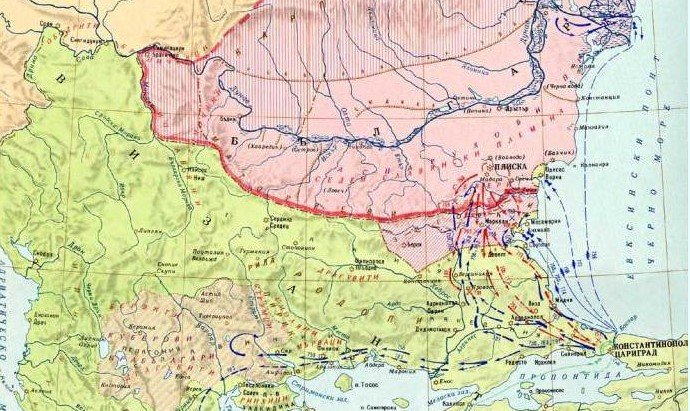
Zagore, also known as Zagora, Zagorie and Zagoria, is the historical name of the region between Sredna Gora to the north, the Chirpan Heights to the west, the Black Sea to the east, and the Rhodope Mountains, Sakar and Strandzha to the south, within modern Bulgaria. The name is Bulgarian in origin and literally means “beyond the mountain”. In the past, the word gora referred to mountains, but it later acquired its present meaning of “forest”.
Znepole
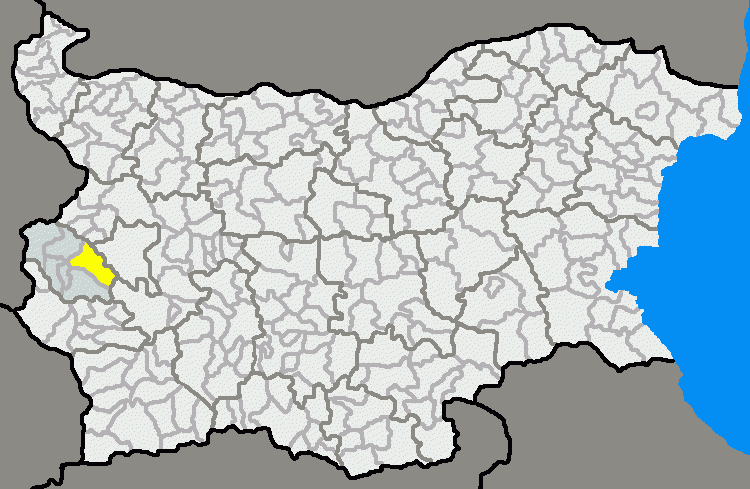
Znepole, also known as the Tran Basin, lies in the valley of the Erma River, surrounded by numerous mountains. More specifically, it is bordered to the north by the Ruy, Rudina and Znepolska Rudina Mountains, and to the south by the Lyutskan, Bohovska and Leshnikovska Mountains. Its eastern boundaries are the Strazha and Ezdimir Mountains.