The Volga Region

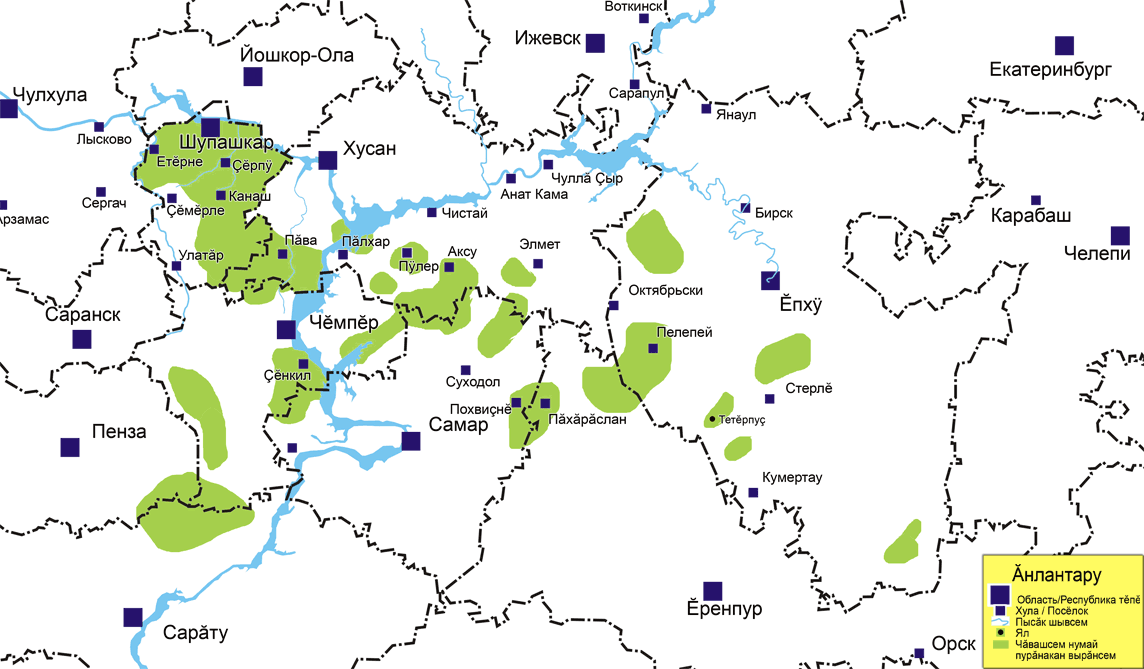
Povolzhye, from the expression “along the Volga”, is the territory extending along the River Volga. Today it is part of Russia, but in the past it was the territory of Volga Bulgaria.
Following the migration of some Bulgar tribes in the early ninth century, the state of Volga Bulgaria emerged in the Middle Volga region. Around 922, under Emir Almus (Almush), Volga Bulgaria adopted Islam as its official religion after a visit by an envoy from the Abbasid caliph al-Muqtadir in Baghdad. This event made the Bulgars an important presence in the Islamic world.
Bilyar, and later Bolgar, became the capital of Volga Bulgaria and a significant cultural and commercial centre. In the twelfth and thirteenth centuries, Volga Bulgaria experienced economic prosperity, with the development of crafts, trade, construction and education. The Volga Bulgars maintained commercial links with Byzantium, Russia, Central Asia and even China.
In 1236, Volga Bulgaria was attacked and devastated by the Mongols led by Batu Khan, a grandson of Genghis Khan. This ended the state's independence, and its territory was incorporated into the Golden Horde, while the Bulgars preserved their cultural identity for centuries.
Despite Mongol rule, Muslim culture and Bulgar written traditions survived and even influenced the development of Tatar culture in the region. To this day, the historical memory of Volga Bulgaria is preserved in the Republic of Tatarstan and other parts of Russia. Bolgar is an important archaeological and cultural centre, added to the UNESCO list in 2014.
Share:


