Historic sites

181 results

Kozi Gramadi
The ancient architectural complex around Kozi Gramadi Peak, situated at an altitude of 1,100 metres, is designated a group monument of national significance. The archaeologist Ivan Hristov interprets it as the residence, or tyrsis, of a ruler of the Odrysian Kingdom, dating from the 5th–4th centuries BC. Covering about eight decares, the complex includes numerous monumental buildings enclosed by a square defensive wall.
Plovdiv Province, 8th–1st centuries BC
Read moreKoznik Fortress
Koznik is a medieval fortress built a little southeast of present-day Rudozem, on the right of the Arda River. It formed part of the caravan route from Thrace to the Aegean region. Local people called it Erim Papa or Kechikaya, from the Turkish keçikaya, meaning "goat rock".
Southern Bulgaria, Rudozem Municipality, No information
Read more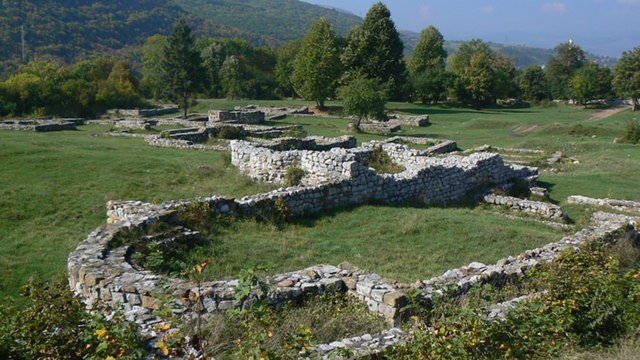
Krakra Fortress
Pernik Fortress, also known as Krakra, is a medieval fortress in the southwestern part of Pernik, on a small rocky plateau. Its strategic location and associated history make it a significant monument of the past. The military commander Krakra, who governed the fortress, is known for his campaigns against the Byzantine Empire during the Middle Ages.
Southwestern Bulgaria, Pernik, Ninth century
Read moreKrastova Gora
Krastova Gora, in the central Rhodope Mountains sixty kilometres from Plovdiv, is one of Bulgaria's largest Christian sanctuaries. This magical place, attracting many pilgrims, lies at an elevation of 1,545 metres in a broad meadow surrounded by beautiful woodland. The great interest in Krastova Gora stems from the tradition that a fragment of Christ's Cross is buried here.
The central Rhodope Mountains, No information
Read more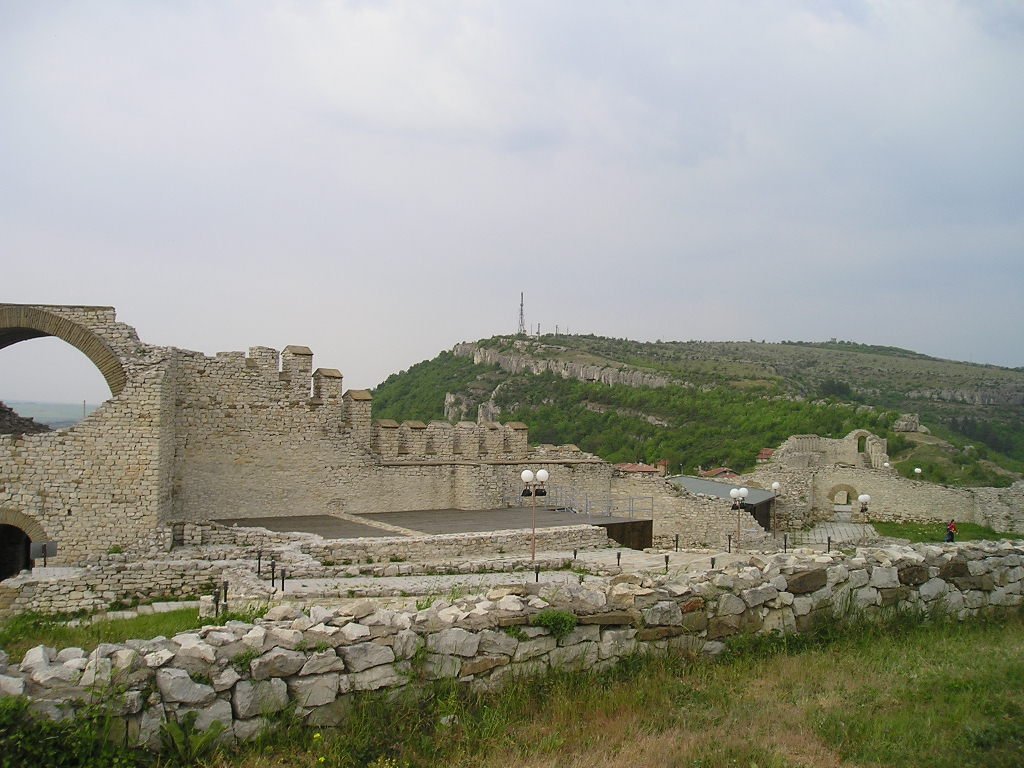
Lovech Fortress
Lovech Fortress stands on the rocky Hisarya Hill in the old town of present-day Lovech. Its construction began in the 9th–10th centuries, during the First Bulgarian Empire, and it remained inhabited until the 17th century. In 1188, the Byzantine emperor Isaac II Angelos recognised the independence of the Bulgarian territories involved in the uprising of the brothers Asen and Peter, marking the beginning of the Second Bulgarian Empire.
Northern Bulgaria, 9th–10th centuries
Read moreLyutitsa Fortress
Lyutitsa is a medieval fortress that existed from the fourth to the fourteenth century. It lies southwest of and close to Ivaylovgrad, on Gradishteto Peak, one of the last elevations of the Eastern Rhodope Mountains. It is one of Bulgaria's best-preserved medieval fortresses and one of the largest in the Eastern Rhodopes.
Eastern Rhodope Mountains, near Ivaylovgrad, Fourth century
Read moreMaglizh Tomb
The Maglizh Tomb was discovered during rescue archaeological excavations conducted in the summer months of 1964 and 1965, about 3 km west of Maglizh in the Mochera locality, near the southern slopes of the Balkan Mountains. Its discovery was connected with the construction of a branch of the Arsenal factory. The tomb lies in a mound 13 metres high and 48 metres in diameter at its base, forming part of a large burial-mound necropolis.
Stara Zagora Province, near Maglizh, Late 4th–mid-3rd century BC
Read more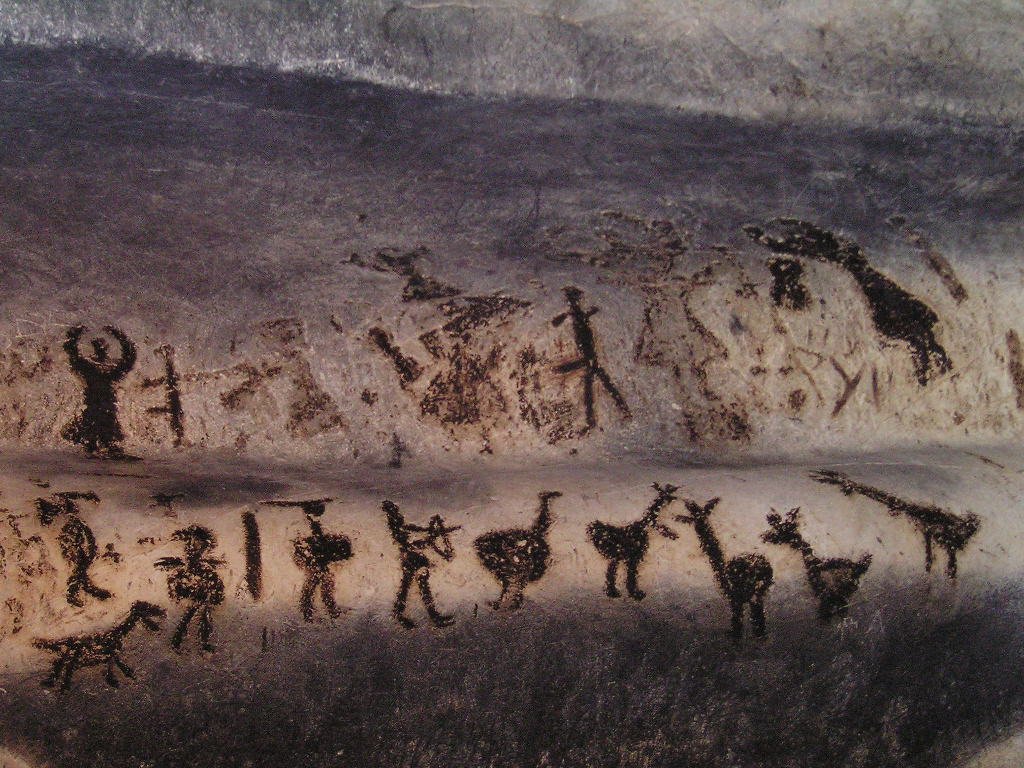
Magura Cave
Magurata, officially called Rabisha Cave from 1942 until 24 October 1972, is a well-known cave in northwestern Bulgaria, in Vidin Province, Belogradchik Municipality. It is also informally called Magura. The cave is renowned for its paintings, dating as far back as the Palaeolithic, and for its numerous bats.
Northwestern Bulgaria, Vidin Province, No information
Read moreMarkeli
Markeli is a Late Antique and medieval fortress in present-day south-eastern Bulgaria, 7.5 km from Karnobat. During the Early Middle Ages, it was associated with a strong Byzantine presence. In 811, the Byzantine emperor used Markeli as the starting point for his invasion of the Bulgarian lands.
South-eastern Bulgaria, 8th century
Read more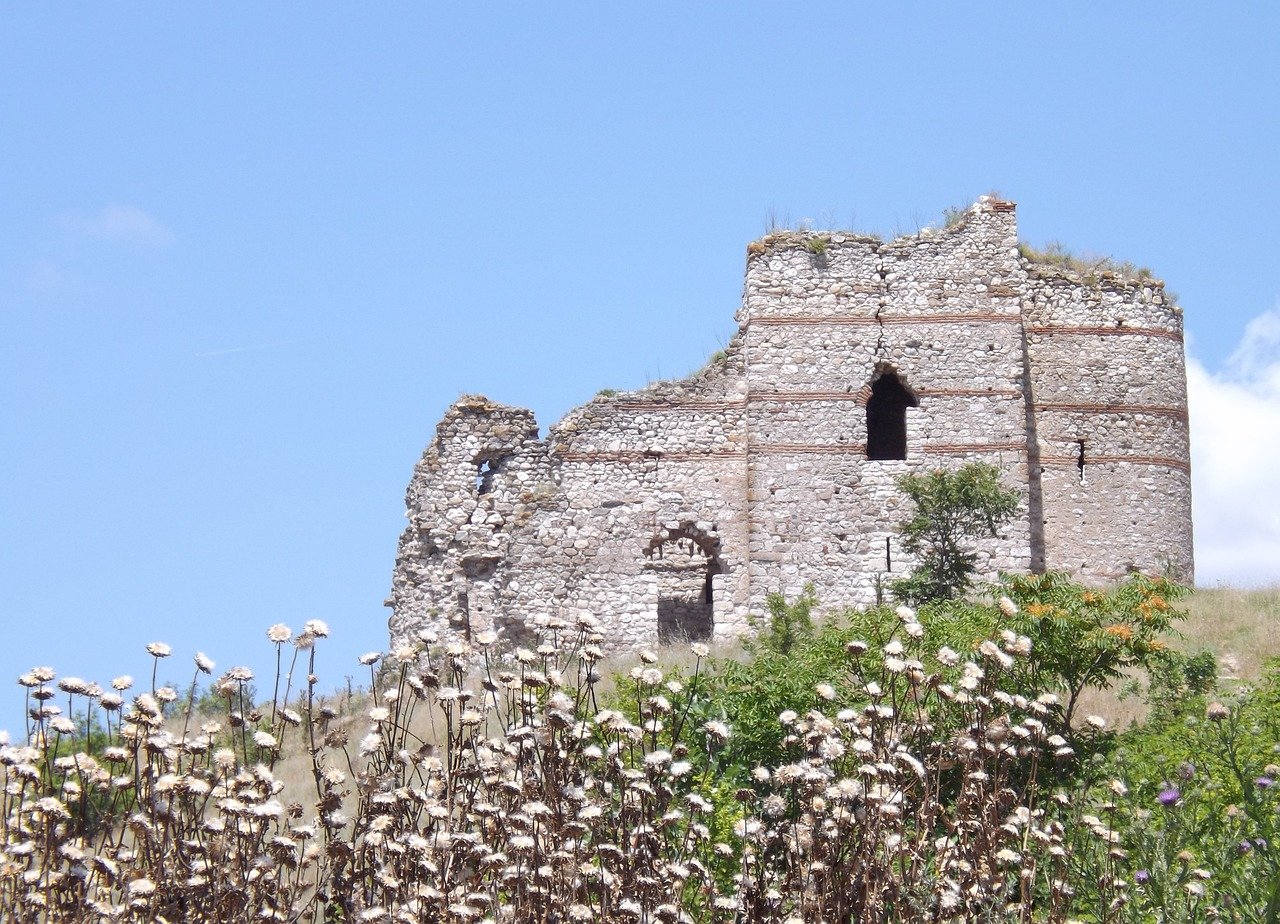
Matochina Fortress
Bukelon Fortress at Matochina is situated in southeastern Bulgaria, close to the village of Matochina in Svilengrad Municipality, Haskovo Province. The fortress stands on a plateau atop a high ridge rising above the lowland of the Tundzha River. The fortress occupies a hill whose slopes are difficult to access except from the south, where a road leads to the village.
Southeastern Bulgaria, Svilengrad Municipality, Around the thirteenth–fourteenth century
Read more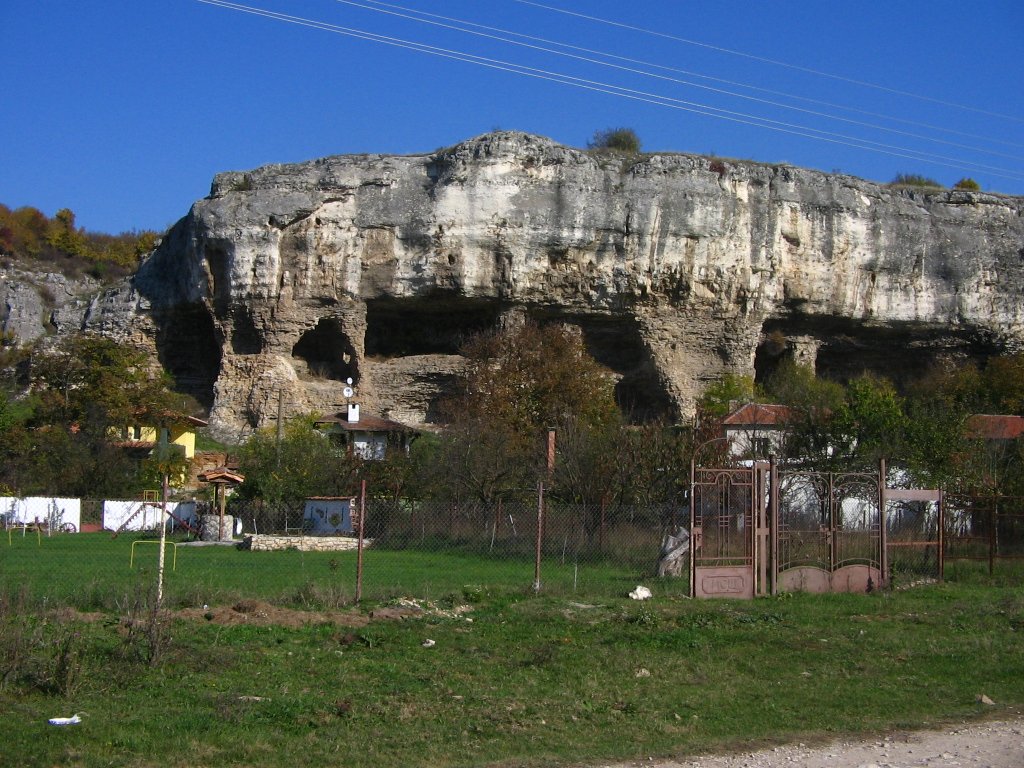
Mechoka Rock Sanctuary
The Mechoka Rock Sanctuary and the adjoining prehistoric settlement near the village of Gortalovo in Pleven Province are among the oldest inhabited sites in Bulgaria and the Balkans. This unique site lies around the natural rock column known as Mechoka, or the Bear, which was 11 metres high and covered an area of 6 square metres, attached to the canyon rock southwest of the village. The column was destroyed by treasure hunters in the 1970s.
Pleven Province, near Gortalovo village, Bronze Age
Read more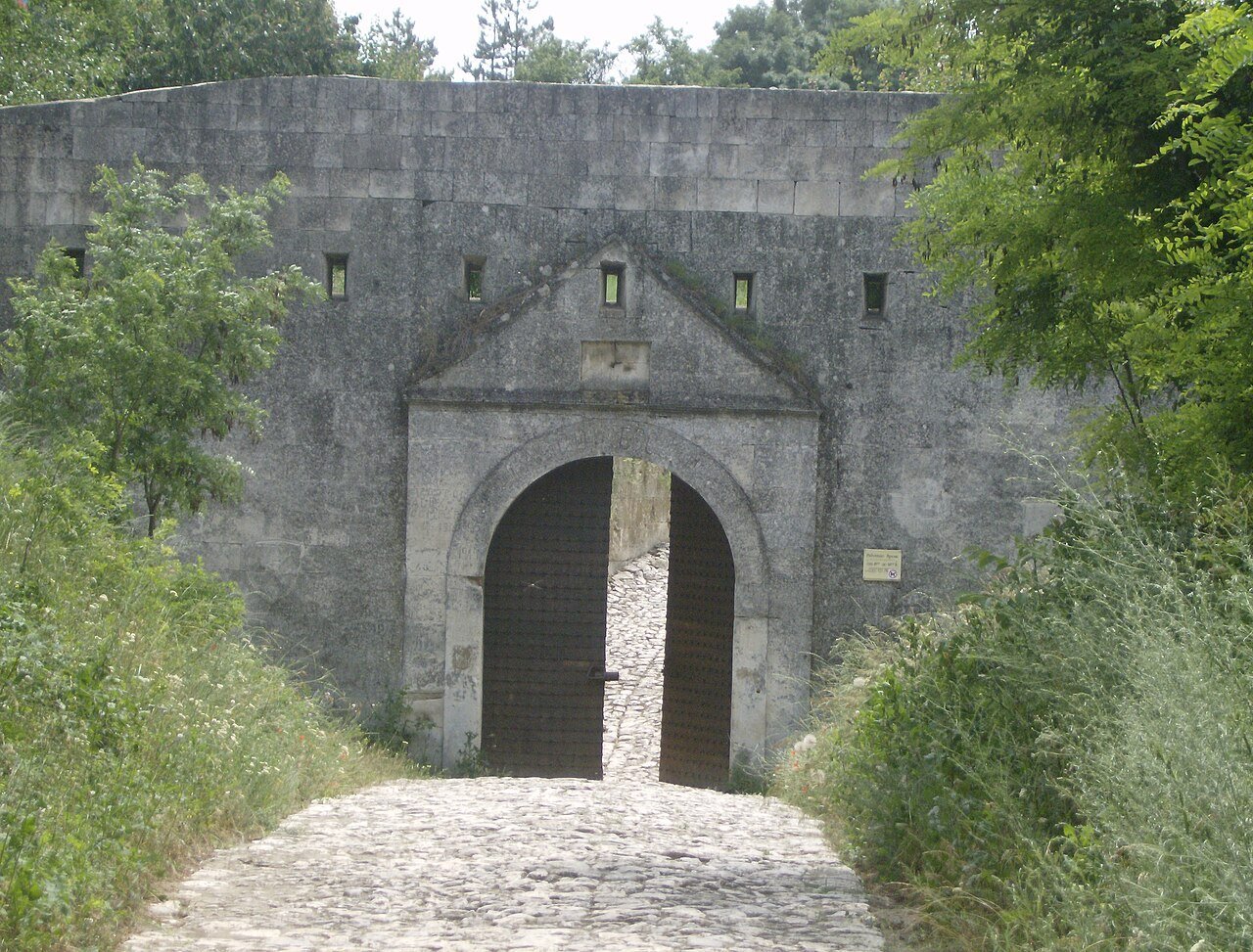
Medzhidi Tabia Fortress
Medzhidi Tabia is a fortress south of Silistra belonging to the Ottoman system of fortifications. It formed part of the historical setting of the Crimean War of 1853–1856 and the Russo-Turkish War of 1877–1878. The fortress was built between 1841 and 1853 to a design by the German military engineer Helmuth von Moltke, who later became chief of staff of the German army.
Silistra, 1841–1853
Read more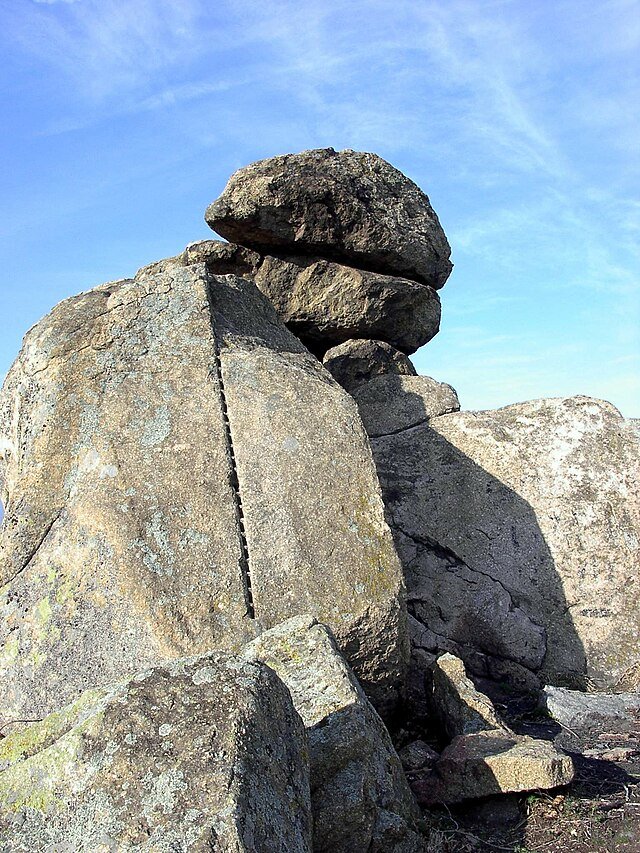
Megalith Natural Landmark
The megalith above the village of Buzovgrad is an ancient sanctuary dating from the Late Chalcolithic and the beginning of the Bronze Age. This historic site lies on the northern slopes of Sarnena Sredna Gora, near Buzovgrad in Kazanlak Municipality. In recognition of the megalith's historical and cultural value, the Roman fortress of Buzovo Kale has also been associated with it.
Buzovgrad village, Kazanlak Municipality, No information
Read more
Memorial Ossuary at Dryanovo Monastery
The impressive memorial ossuary at the Monastery of St Michael the Archangel in Dryanovo was created in memory of the heroes of the April Uprising of 1876. It is dedicated to the insurgents of Father Hariton and Bacho Kiro's detachment, who fought Ottoman troops for nine days. During those days, the insurgents faced substantial Ottoman army forces, fighting with great courage and determination.
Dryanovo
Read more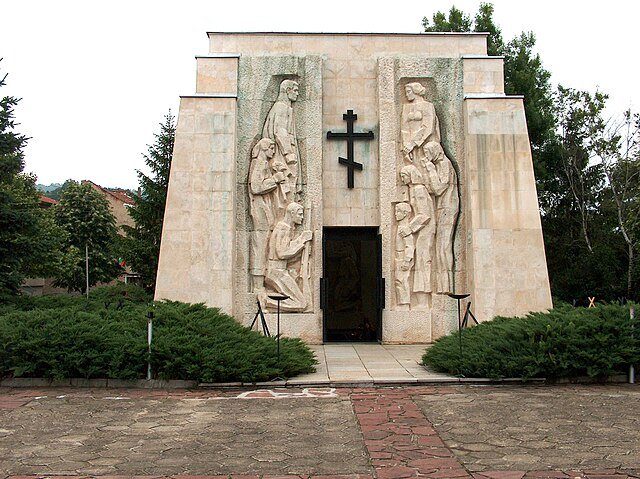
Memorial Ossuary of Botev's Detachment
The Memorial Ossuary of Botev's Detachment is a memorial structure in Skravena, Botevgrad Municipality. It honours ten members of Botev's detachment belonging to Georgi Apostolov's group, killed when the detachment was defeated at Rashov Dol near Ritlite on 2 June 1876, or 21 May Old Style. According to the account, after the men's deaths their skulls were shown to a group of bashi-bazouks, after which two village notables managed to ransom the heads.
Botevgrad Municipality, Skravena village, 18 May 1982
Read more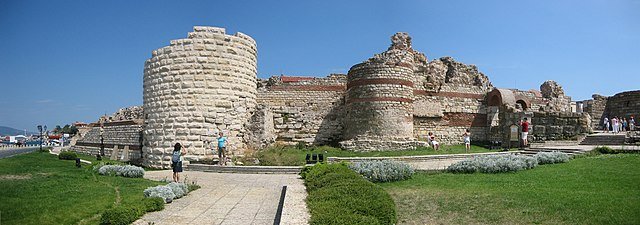
Mesembria Fortress
Mesembria Fortress stands in Nessebar's Old Town and is significant for both its architecture and its history. It underwent several alterations during its existence. The oldest defensive walls date from the 5th century BC, when the ancient Greeks built them entirely of stone blocks.
Nessebar, 5th century BC
Read more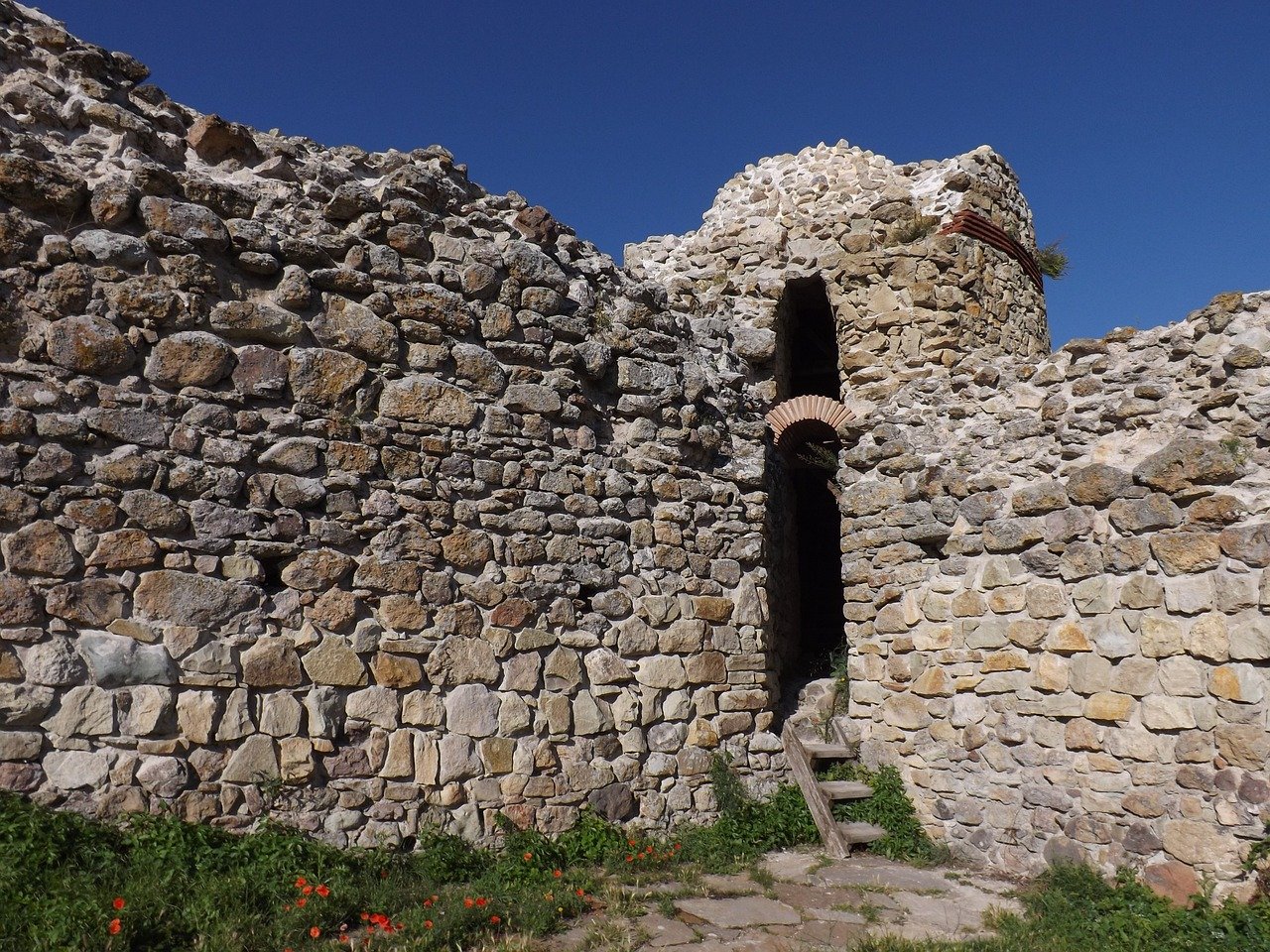
Mezek Fortress
Mezek Fortress, also known as Neuzetikon or Neutzikon, is a Byzantine fortification built in the eleventh or twelfth century west of the village of Mezek, in Svilengrad Municipality. Situated on an elongated terrace at the foot of a steep spur of the northeastern Rhodope Mountains, it served as a frontier guard fortress protecting the territory between the Maritsa and Arda rivers. Only part of the fortress walls survives today, as sections were demolished in 1900 to provide stone for the construction of Turkish barracks in Svilengrad.
Svilengrad Municipality, north of the Greek border, Eleventh–twelfth century
Read moreMezek Tomb
In the remote surroundings of Mezek, approximately thirteen kilometres southwest of Svilengrad, stands a Thracian domed tomb dating from the fourth–third century BC. This historic site lies in the Maltepe mound on the village's outskirts. In 1902, while working on the mound, a villager accidentally discovered a bronze sculpture of a boar weighing 177 kg.
Svilengrad Municipality, Mezek village, Fourth–third century BC
Read moreMissionis Fortress
The town of Missionis is an archaeological site representing the predecessor of modern Targovishte. It dates from Early Byzantine and medieval Bulgarian history, encompassing the fourth–sixth, ninth–tenth and twelfth–fourteenth centuries. The town lies in the Parka locality, seven kilometres southwest of Targovishte and a one-kilometre walk from the main Sofia–Varna road, in the Dervent Pass on a height of the Preslav Balkan Mountains.
Targovishte, Fifth–seventh century
Read moreMogilanska Mound
Mogilanska Mound is a burial mound in the centre of Vratsa, Bulgaria. Excavations in 1965–1966 uncovered three stone-built tombs. One, known as Tomb No.
Vratsa, 4th century BC
Read moreMomchil's Fortress
The remains of the medieval fortress of Podvis stand in the Gradishteto locality southwest of Gradat village, Smolyan Municipality, on a high rocky summit 1,215 m above sea level. The fortress occupies a strategic position in the Cherna River valley and offers excellent views in every direction. Its carefully chosen location, allowing observation and control, proved strategically important.
Smolyan Municipality, Fourteenth century
Read moreMomina Kula Fortress
Momina Kula Fortress stands on the Pirin side of the Mesta River valley, in one of the most picturesque sections of Momina Gorge, on the river's western bank northwest of Bukovo, between Mesta and Gospodintsi. It is thought to have been built in the second–third century, subsequently left inactive and restored in the twelfth century. Its name derives from a tradition that Tsar Ivan Shishman's sister Mara built it after being exiled to the area.
Bansko Municipality, near Gotse Delchev, Thirteenth–fourteenth century
Read moreMomini Gardi Sanctuary
In the Hisarya region of Bulgaria, north of the village of Starosel, lies the Kamenitsa cult complex, also known as Momini Skali, or Maiden's Rocks, and Momini Gardi, or Maiden's Breasts. This unique site is a broad rocky massif with varied forms, including a cave, a rock arch and artificial rock cuttings. The Bulgarian archaeologist Georgi Kitov first described the sanctuary during excavations of the Thracian mounds in the area.
Near Starosel village, No information
Read moreMonyak Fortress
Monyak, also known as Manyak, is a medieval Bulgarian fortress in the Rhodope Mountains and one of the largest and best known in the region. Also called the Sixth Fortress, it stands at an elevation of 387 metres near Studen Kladenets Reservoir, approximately four kilometres south of Shiroko Pole and twelve kilometres east of Kardzhali. The locality, including Shiroko Pole itself, is rich in archaeological finds that attest to long occupation and the population's advanced cultural skills.
Rhodope Mountains, Twelfth–thirteenth century
Read more