Lovech Fortress

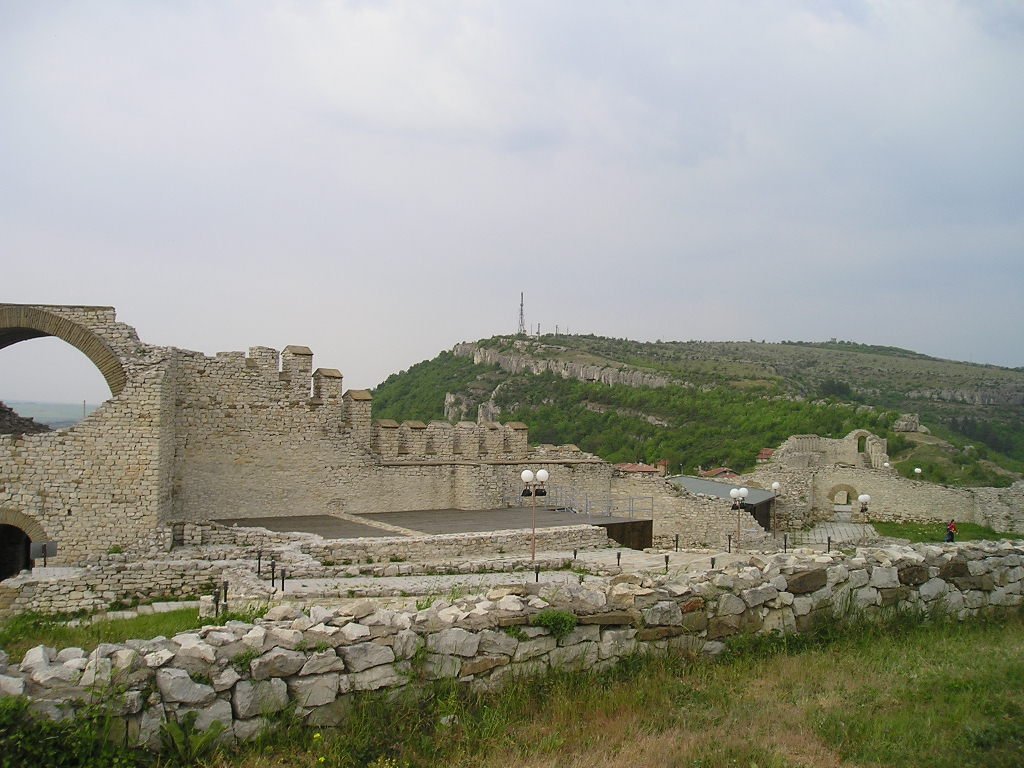
Lovech Fortress
Lovech Fortress stands on the rocky Hisarya Hill in the old town of present-day Lovech. Its construction began in the 9th–10th centuries, during the First Bulgarian Empire, and it remained inhabited until the 17th century. In 1188, the Byzantine emperor Isaac II Angelos recognised the independence of the Bulgarian territories involved in the uprising of the brothers Asen and Peter, marking the beginning of the Second Bulgarian Empire.
Construction began as early as the 9th century. The fortified area occupied two high terraces on Hisarya Hill, while residential quarters lay at its foot. A stone wall following the terrain was built to supplement the protection provided by the sheer cliffs. The remains of seven churches have been uncovered within the fortified area.
According to historical sources, in the 13th and especially the 14th century, the fortress was one of the largest towns in the northern part of the Bulgarian state. It was among the last fortifications to fall during the Ottoman conquest.
The medieval fortress at Lovech has been designated a museum and tourist reserve and a monument of national importance.
Northern Bulgaria, 9th–10th centuries
Share:


