Lyutitsa Fortress

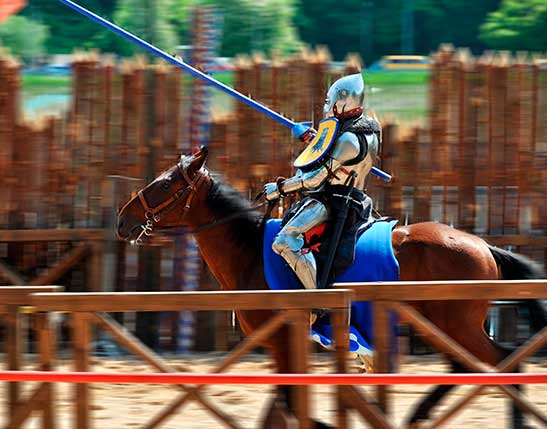
Lyutitsa Fortress
Lyutitsa is a medieval fortress that existed from the fourth to the fourteenth century. It lies southwest of and close to Ivaylovgrad, on Gradishteto Peak, one of the last elevations of the Eastern Rhodope Mountains. It is one of Bulgaria's best-preserved medieval fortresses and one of the largest in the Eastern Rhodopes. Destroyed repeatedly, it was built in its present form in the twelfth–thirteenth century. Finds of pottery, coins, jewellery, metal and bone objects and architectural details show that the hill was inhabited from the first millennium BC. Remains of a Late Antique three-aisled basilica with a martyrium have been uncovered within the fortress.
Construction began in the fourth century. The Late Antique fortifications were almost destroyed during Hunnic, Gothic and Slavic invasions. The settlement began to recover in the late eighth century, associated with Constantine V Copronymus's attempts at Byzantine reconquest of lost territories. The region became part of the Bulgarian state in the early ninth century during Khan Krum's campaigns. After temporary Byzantine possession, the fortress came under Bulgarian rule around 904 during Tsar Simeon I's reign.
In the tenth–twelfth century, Lyutitsa was a significant fortress in this part of the Byzantine Empire and was conquered by the Bulgarians under Tsar Kaloyan. After 1208 it became part of the Latin Empire, but Ivan Asen II restored Bulgarian rule after 1230. Lyutitsa was the centre of a bishopric in the ninth–seventeenth century and an archbishopric in the seventeenth–eighteenth century. Its principal construction dates as early as the fourth–sixth century. It reached its height in the thirteenth–fourteenth century and continued to exist until the late eighteenth century, when it lost its importance as a fortification. Its inhabitants moved away and founded Ladzha village, while Lyutitsa's church continued to be used after the Ottoman conquest.
Eastern Rhodope Mountains, near Ivaylovgrad, Fourth century
Share:


