Magura Cave

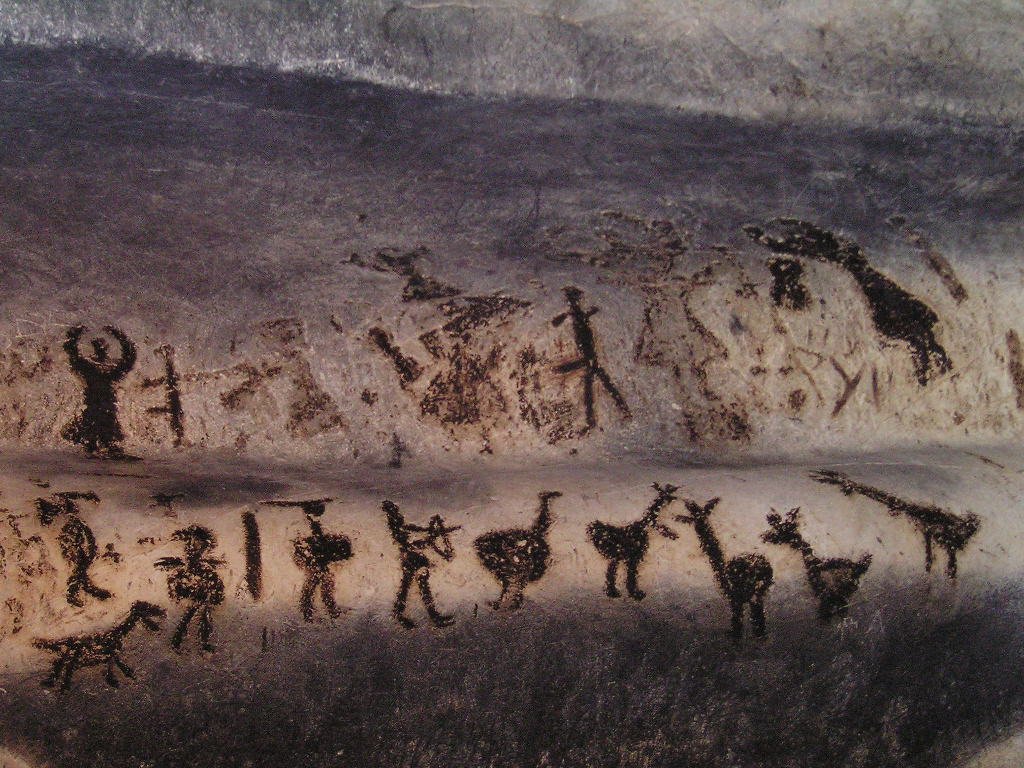
Magura Cave
Magurata, officially called Rabisha Cave from 1942 until 24 October 1972, is a well-known cave in northwestern Bulgaria, in Vidin Province, Belogradchik Municipality. It is also informally called Magura. The cave is renowned for its paintings, dating as far back as the Palaeolithic, and for its numerous bats.
Magurata lies on the southern slope of the karst ridge of Rabisha Mound, part of the western Fore-Balkan, approximately 18 km northwest of Belogradchik and about 1.5 km northwest of the village of Rabisha.
The cave was formed by karst processes in Lower Cretaceous grey-white limestone and is one of Bulgaria's largest. Its exit is called Vratacha.
Magurata contains various halls and galleries with intriguing names, including the Triumphal Hall, the Field, the Threshing Floor, the Bat Gallery, the Shooting Range, the Paintings Gallery, the Sinister Gallery, the Sun Hall, the Hall of Stalactites, the Hall of the Fallen Pine, the Poplar Hall, the Throne Hall and the Concert Hall. Some are exceptionally large; the Triumphal Hall even contains a small lake. The temperature in the cave is constant, reaching 12 °C. The galleries have a total length of 2,500 m.
Magurata is known for wall paintings created in different historical periods, ranging from the Late Palaeolithic to the Bronze Age, using guano, or bat droppings. The paintings depict hunting scenes, a solar-lunar calendar, fertility and other motifs. Access to the Paintings Gallery was suspended by a compulsory administrative measure issued by an inspector from the Ministry of Culture's Directorate-General for the Inspectorate for the Protection of Cultural Heritage.
Northwestern Bulgaria, Vidin Province, No information
Share:


