Historic sites

181 results

Round Church in Preslav
The Round Church, also known as the Golden Church or the Church of St John, is a significant monument of medieval Bulgarian architecture in Veliki Preslav. The building is partially preserved and constitutes a historical and cultural site. Some of its key features and facts are as follows.
Veliki Preslav, Early 10th century
Read moreRusokastron Fortress
Rusokastro Fortress was built in the fifth century on a strategic height controlling key routes in northeastern Thrace. The earliest written evidence of a settlement there dates from the sixth century and consists of an epigraphic monument with a dedicatory inscription to the Byzantine commander Justin. The name Rusokastro was first mentioned by the Arab geographer al-Idrisi in his "Geography of the World", where he described it as a large and populous town.
Burgas Province, Rusokastro village, Fifth century
Read moreRuzhitsa Tomb
The Ruzhitsa Tomb is an important archaeological site revealing the life and rituals of Thracian civilisation in the 5th century BC. It lies in the Bulgarian part of Strandzha and is significant for studying the architecture, art and customs of the ancient Thracians. The frescoes discovered on the walls of the burial chamber are a unique element of Thracian art.
Yambol Province, 5th century BC
Read more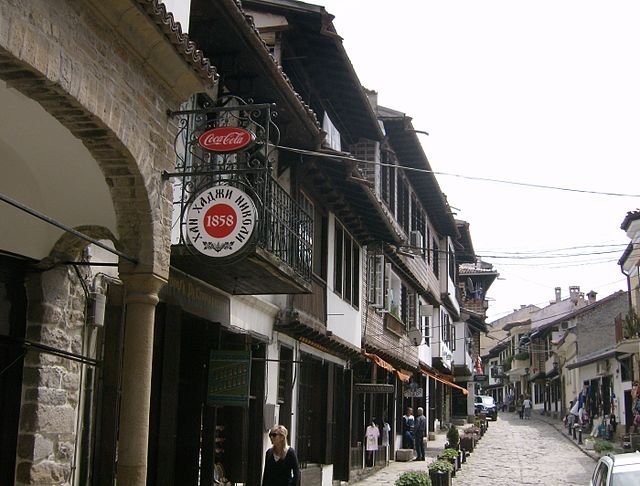
Samovodska Charshia
Samovodska Charshia is a picturesque street in Veliko Tarnovo characterised by National Revival architecture. The market street's history began with its creation in the mid-19th century. Farmers came to the new street to sell their produce, mainly from nearby villages such as Samovodene, Dichin and other surrounding settlements.
Veliko Tarnovo, 19th century
Read moreSamuel's Fortress
Samuel's Fortress, situated in the Klyuch Gorge between the Belasitsa and Ograzhden mountains, is a medieval fortification forming part of a large defensive system probably built between 1009 and 1013 during Tsar Samuel's reign. According to eleventh-century Byzantine chroniclers such as John Skylitzes, George Kedrenos, John Zonaras and others, the Klyuch Gorge was protected by a broad barrier wall called a dema. Samuel's Fortress itself was built over a Thracian and an early Bulgarian Slavic settlement.
Petrich Municipality, 5 km from Klyuch, Tenth–eleventh century
Read moreSarafova Mound
The Sarafova mound contains a domed funerary structure beneath a mound in Bulgaria's Stara Zagora Province, uncovered by the archaeologist Associate Professor Georgi Kitov in September 1995. The site lies 400 metres north of Kran and 4.3 km from Kazanlak, near national road I-5. The tomb occupies the southern part of the mound and includes a 7-metre-long dromos and two quadrangular chambers.
Stara Zagora Province, 4th century BC
Read moreSashova Mound
The Sashova Mound tomb is a Thracian domed funerary structure beside the Golyama Arsenalka tomb. The archaeological material discovered beneath Sashova Mound provides grounds for suggesting that the last burial in the chamber took place in the first half of the 2nd century BC. The building was probably used as a mausoleum over the following decades, during which it was maintained and extended.
Stara Zagora Province, near Shipka, 3rd–2nd centuries BC
Read more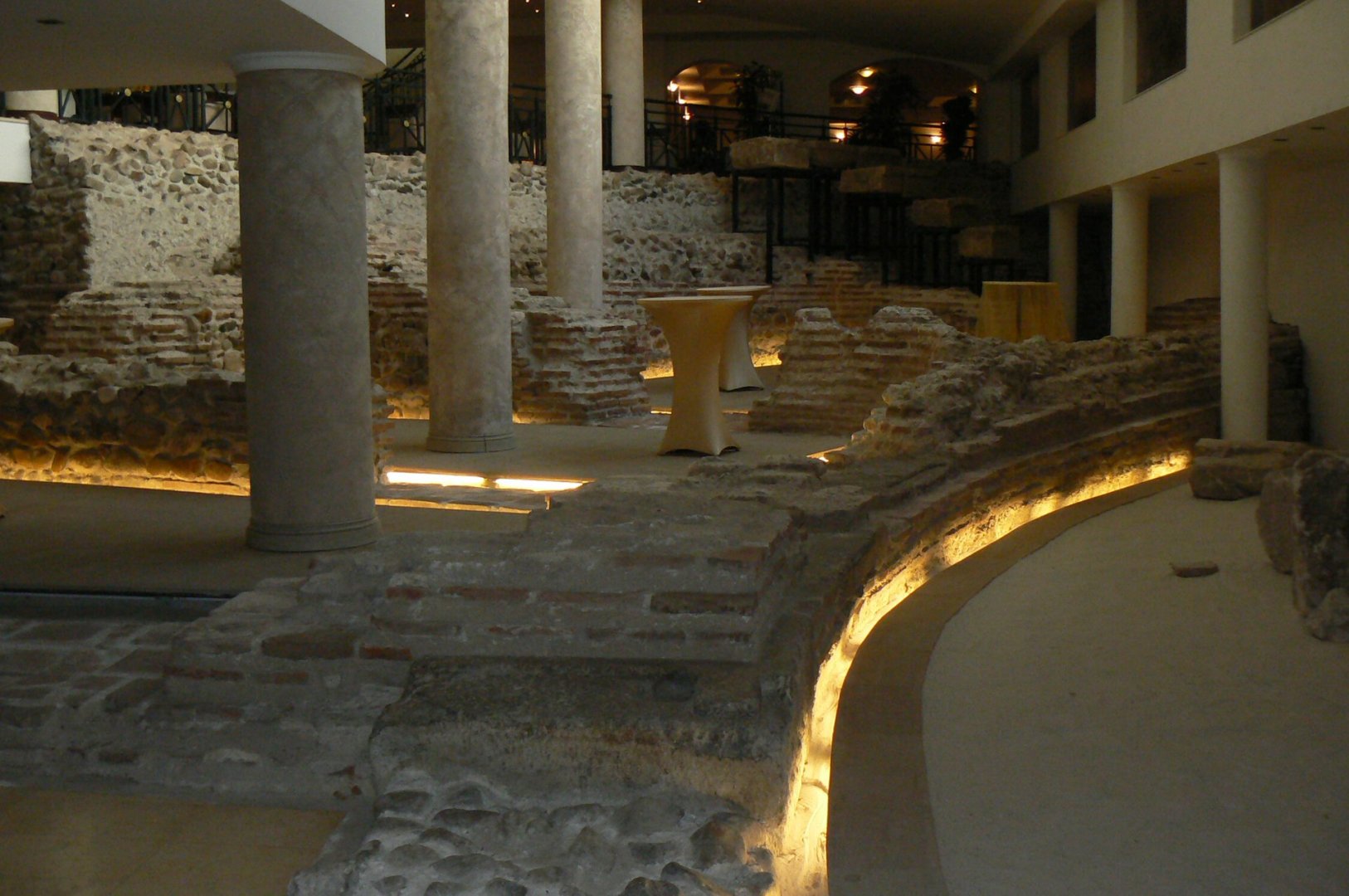
Serdica Fortress
Serdica Fortress is an archaeological site in central Sofia, Bulgaria. Sofia's historic core, encompassing ancient Serdica and medieval Sredets, was designated a historical and archaeological reserve in 1976. The town's origins can be traced to the Thracian Serdi tribe, which was conquered by Roman legions in 27 BC.
Sofia Province, Second century
Read more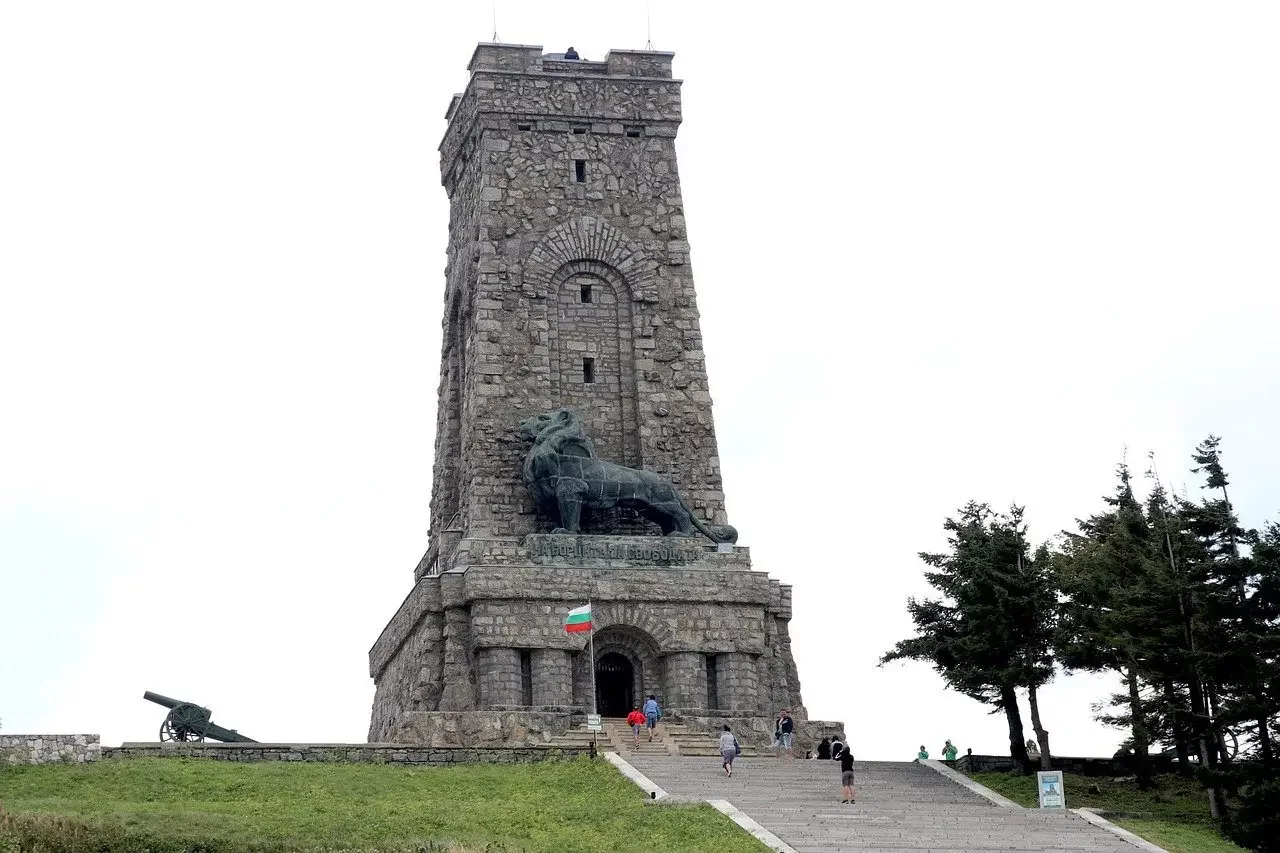
Shipka Monument
The Monument to Freedom on Shipka Peak is an imposing symbol of the Bulgarian people's gratitude to the heroes who defended the Shipka Pass and Bulgaria's freedom during the Russo-Turkish War of 1877–1878. Built with voluntary donations from people across the country, it was designed by architect Donkov and sculptor Andreev. It was inaugurated on 26 August 1934.
Shipka Peak in the Balkan Mountains, Bulgaria, 1934
Read more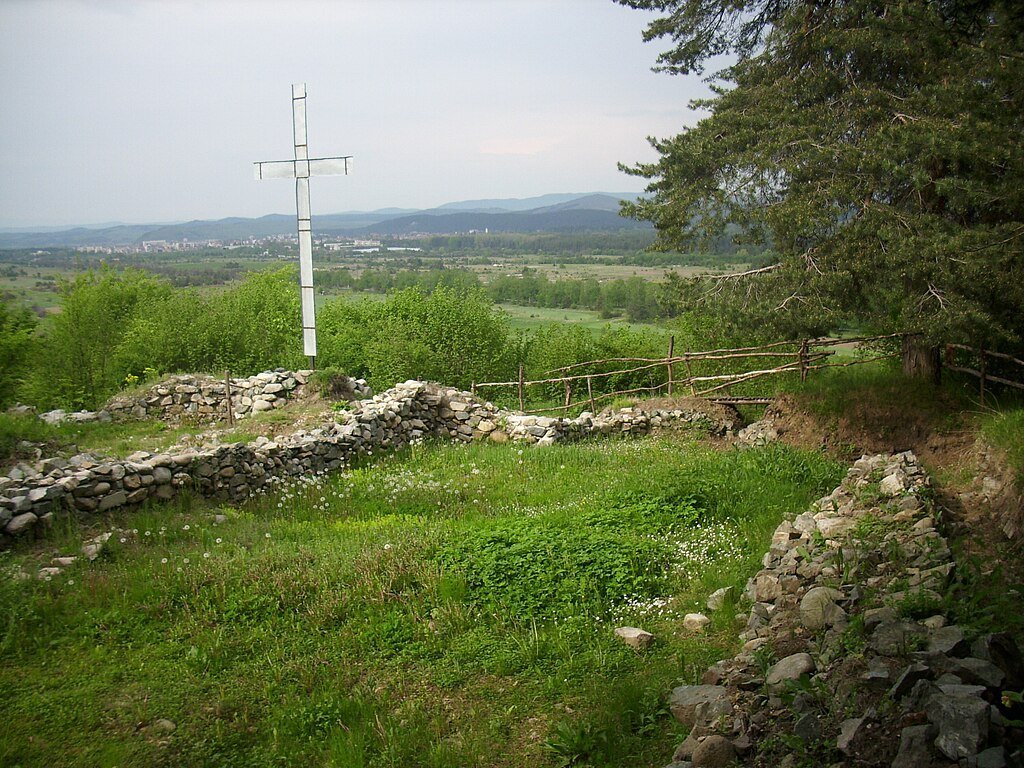
Shishmanovo Kale
Shishmanovo Kale, three kilometres south of present-day Samokov, is an ancient and medieval town and episcopal centre also called Old Samokov. The Turks destroyed the historic site in the late fourteenth century. It lies at the foot of the Dospey Mountains, or Lakatishka Rila, at the Shishman Gorge, on Shishman Peak approximately 300 m east of the road to Beli Iskar and Mala Tsarkva.
Samokov, No information
Read moreShiyakov Monastery
Shiyakov Monastery is known for its historical significance, particularly during the Bulgarian National Revival. In 1871, it witnessed an important event in the history of Bulgaria's revolutionary struggle. Vasil Levski and his associates established the Secret Revolutionary Committee there, which played an important role in preparations for the April Uprising.
Kostinbrod, 1848
Read more
Shumen Fortress
Shumen Fortress, also known as the Old Town, stands on the Shumen Plateau, two kilometres west of the city of Shumen. The geographical region is an important crossroads, linking the Danube bank with Adrianople and Constantinople, and the northern Black Sea coast with the western Bulgarian lands.: Thracians inhabited the site 3,000 years ago, with a Thracian settlement around 1200 BC. After the Roman conquest in AD 15, the fortress became a Roman possession.
Near the city of Shumen, Around the fifth century BC
Read moreShushmanets
The Shushmanets mound contains a Thracian cult building in the Valley of the Thracian Rulers, near Shipka. This Thracian temple is considered a masterpiece of Thracian architecture. The temple has an unusual design and execution.
Stara Zagora Province, near Shipka, 5th–4th centuries BC
Read moreSlav's Fortress
The castle of Despot Alexius Slav, also called Slav's Fortress, stands near Melnik in the Pirin Mountains. Between 1211 and 1230, this castle served as Despot Slav's capital. In 1211, the despot moved his capital from Tsepina to Melnik.
Melnik, 1211
Read moreSmilovene Thracian Residence
The Smilovene Thracian residence lies in the locality of the same name, 9.5 km from Koprivshtitsa and 11 km from Strelcha. Situated on a natural elevation on a ridge to the right of the River Mede Dere, the site exemplifies the architecture of Thracian rulers' residences, known as tyrseis. The archaeologist Daniela Agre suggests that the residence was home to a Thracian dynasty that ruled the area and was probably buried in the funerary structure beneath Zhaba Mound near Strelcha.
Near Koprivshtitsa, 4th century BC–4th century AD
Read more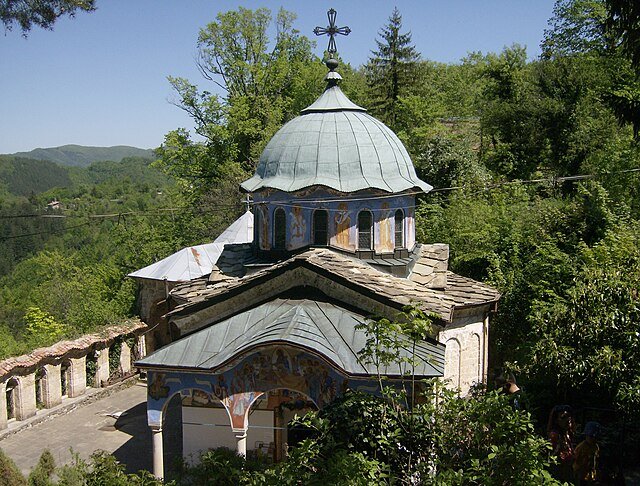
Sokolski Monastery
The Sokolski Monastery of the Dormition of the Mother of God, also known as the Gabrovo-Sokolski or Gabrovo Monastery, is an active convent of the Bulgarian Orthodox Church in northern Bulgaria, near Gabrovo. It was founded in early 1833 by Yosif Sokolski, who later played an important role in the struggle for ecclesiastical autonomy as a Uniate archbishop. The monastery was established by Archimandrite Yosif, who returned from Troyan Monastery accompanied by Hieromonk Agapiy.
Gabrovo Province, 1833
Read moreSostra Fortress
Sostra is an ancient Roman fortress within the lands of Lomets village, about 12 kilometres from Troyan. The Roman road from Danubius, the River Danube, to Philippopolis, now Plovdiv, passed near the fortress, and its remains can still be seen here. The fortress is mentioned on the Peutinger Map of the 8th century.
Lomets village, Troyan region, 147
Read more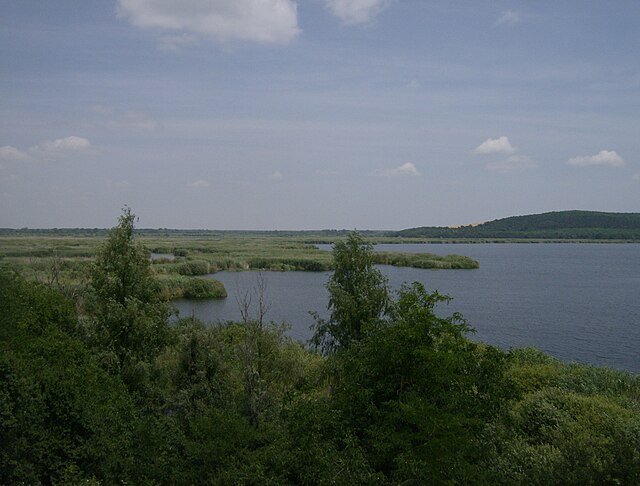
Srebarna Nature Reserve
The Srebarna Biosphere Reserve is in Bulgaria and is included on UNESCO's World Cultural and Natural Heritage List. The reserve was designated in 1948. It lies near the village of Srebarna, 16 km west of Silistra and 2 km south of the Danube, and includes Lake Srebarna and its surroundings.
The Danube, near Silistra, 20 September 1948
Read more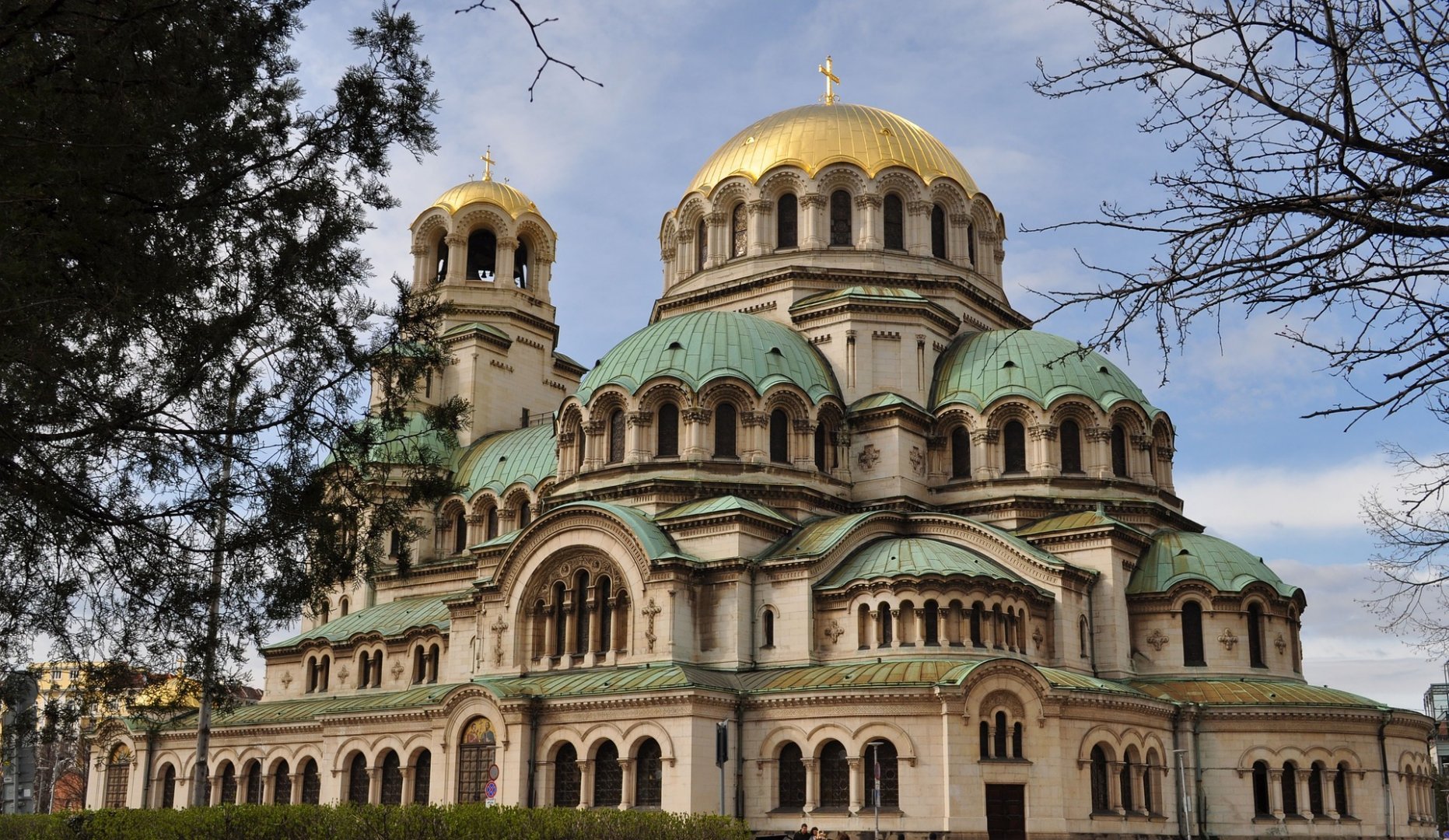
St Alexander Nevsky Memorial Cathedral
The St Alexander Nevsky Memorial Cathedral in Sofia is one of Bulgaria's major Orthodox churches and the cathedral of the Bulgarian Patriarch. It stands on the square of the same name and was designed and built between 1882 and 1912. In 1955 it was declared a cultural monument of national significance and included in the Bulgarian Tourist Union's list of the Hundred National Tourist Sites.
Sofia, 1882–1912
Read more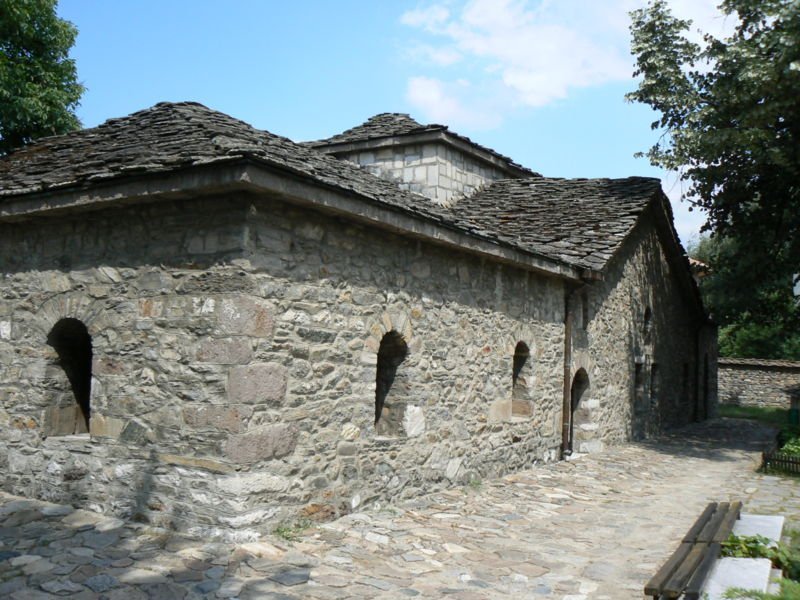
St Nedelya Church
St Nedelya Church in Batak, Bulgaria, is an Orthodox church with a history extending across the years. The building was erected in 1813 on land specially donated for its construction by Todor Balinov, the village mayor at the time. The church was built in 75 days with the participation of local residents of Batak.
Batak, Pazardzhik Province, 1813
Read more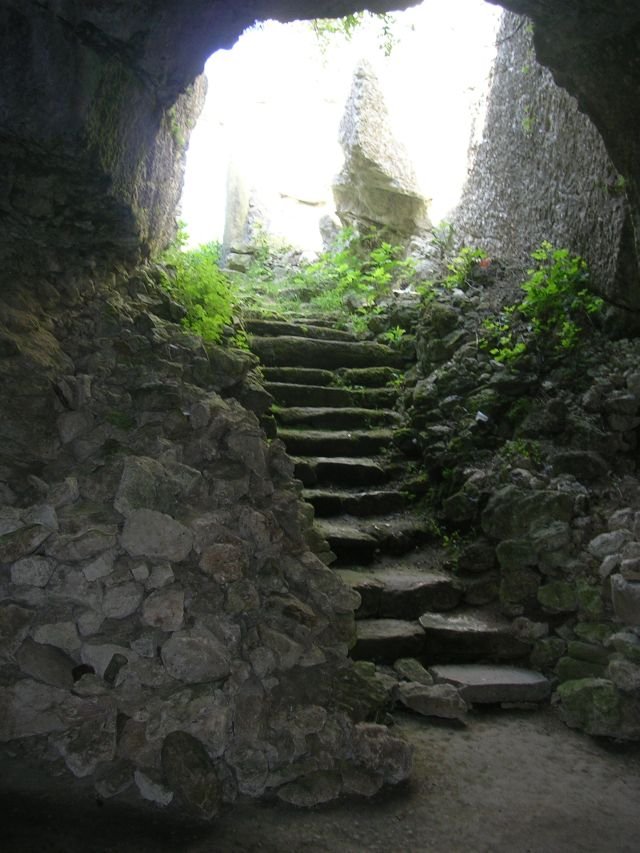
St Panteleimon Rock Church
The Church of St Panteleimon is a rock-cut church hollowed into limestone near the village of Mihalich in Svilengrad Municipality, Bulgaria. This cultural monument is of national significance and is the only one of its kind in the country, with a unique triconch form. It dates from the 10th century and is thought to have been used by monks and hermits who followed various heresies.
Svilengrad Municipality, near Mihalich village, 10th century
Read more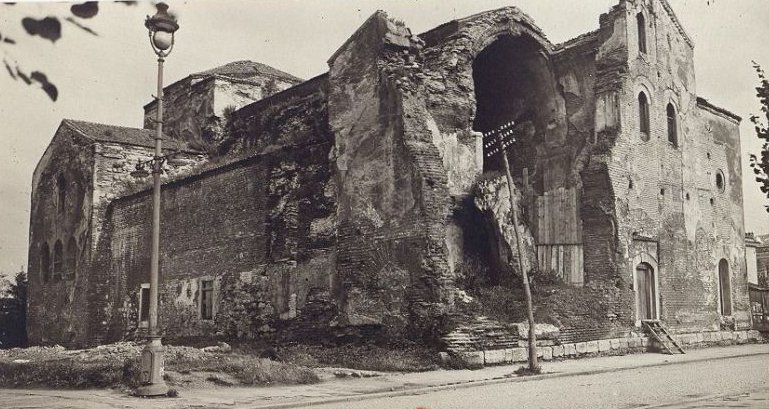
St Sophia Basilica
St Sophia Church in Sofia, Bulgaria, has a long history stretching across the centuries. Built in the fourth century, it is one of the Early Christian Orthodox churches and a cathedral church of the capital. It is a basilica measuring 46.45 metres long and 20.20 metres wide, with a central nave and side aisles.
Sofia, Fourth–sixth century
Read more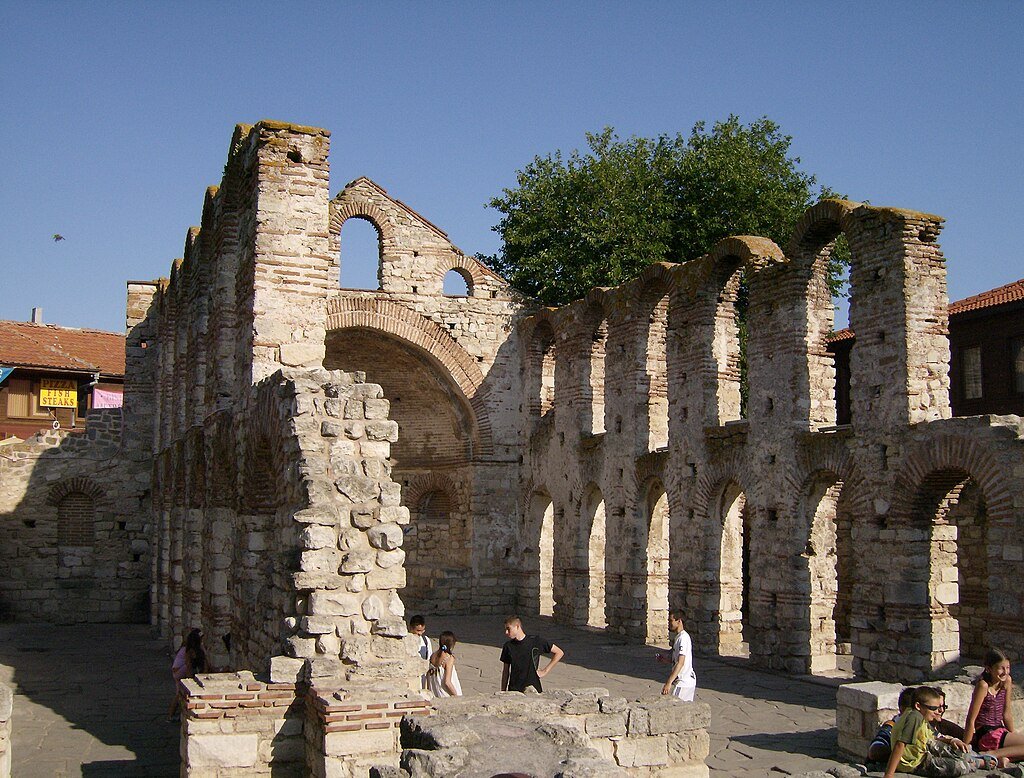
St Sophia Old Metropolitan Church
St Sophia Church in Nessebar, also known as the Old Metropolitan Church, is a significant Orthodox building in eastern Bulgaria. It is included in the town's architectural and historical reserve, which is also a UNESCO World Heritage Site and one of the Hundred National Tourist Sites. The church is a three-aisled basilica with a single semicircular apse projecting in three sides, together with a narthex and atrium, or inner courtyard.
Nessebar, Fifth–sixth century
Read more
Stob Pyramids
The Stob Pyramids are among Bulgaria's most visited natural landmarks and are included in the country's Red Data Book as a critically endangered natural habitat. These pyramids stand in the western Rila Mountains, above the village of Stob, and form a complex composition of pointed and needle-like shapes, predominantly pyramidal or conical, rising from the ground. Many are topped with mushroom-like 'stone caps' measuring between 0.8 and 1.0 metres.
Rila Mountains, above Stob village, 5 February 1964
Read more