Sostra Fortress

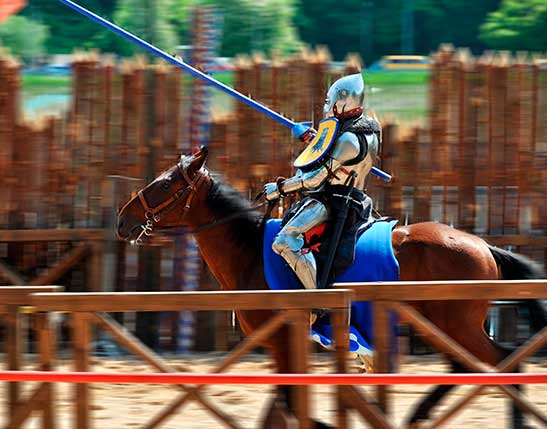
Sostra Fortress
Sostra is an ancient Roman fortress within the lands of Lomets village, about 12 kilometres from Troyan. The Roman road from Danubius, the River Danube, to Philippopolis, now Plovdiv, passed near the fortress, and its remains can still be seen here. The fortress is mentioned on the Peutinger Map of the 8th century.
Construction of the fortress began around 147 on the orders of Emperor Antoninus Pius. During this period, the Second Mattiacian Cohort was stationed here. In 249, the fortress and its associated settlement, which had a military character, were devastated by the Goths. Reconstruction began five years later on the orders of Emperor Gallienus, when the Second Cohort, of the returnees, was tasked with erecting a new defensive wall called the Eastern Wall. This process lasted three decades, and the wall reached a height of 10 metres. Remains of the Eastern Wall survive today.
In the 4th century, in 378, Sostra was destroyed by the Goths. At the beginning of the 5th century, following the settlement of a civilian population in the area, the fortress finally lost its military character. The restoration of earlier Thracian fortresses in the surrounding area also began at this time.
South of the fortress, in the locality of Gergyova Cherkva, are the remains of a single-nave church from Late Antiquity, built in the 4th–5th centuries. It was probably used until the Middle Ages and was badly damaged by treasure hunters' excavations in 1999.
Lomets village, Troyan region, 147
Share:


