Historic sites

181 results
Mound of the Griffins
The Mound of the Griffins is a Thracian funerary structure in the Valley of the Thracian Rulers, discovered in 1996 by a research team led by Associate Professor Georgi Kitov. It lies between Shipka and the village of Sheynovo. The mound was built on the southern edge of an existing mound and includes a domed chamber, a rectangular antechamber with a pitched roof and a monumental façade.
Stara Zagora Province, near Shipka, 5th–4th centuries BC
Read more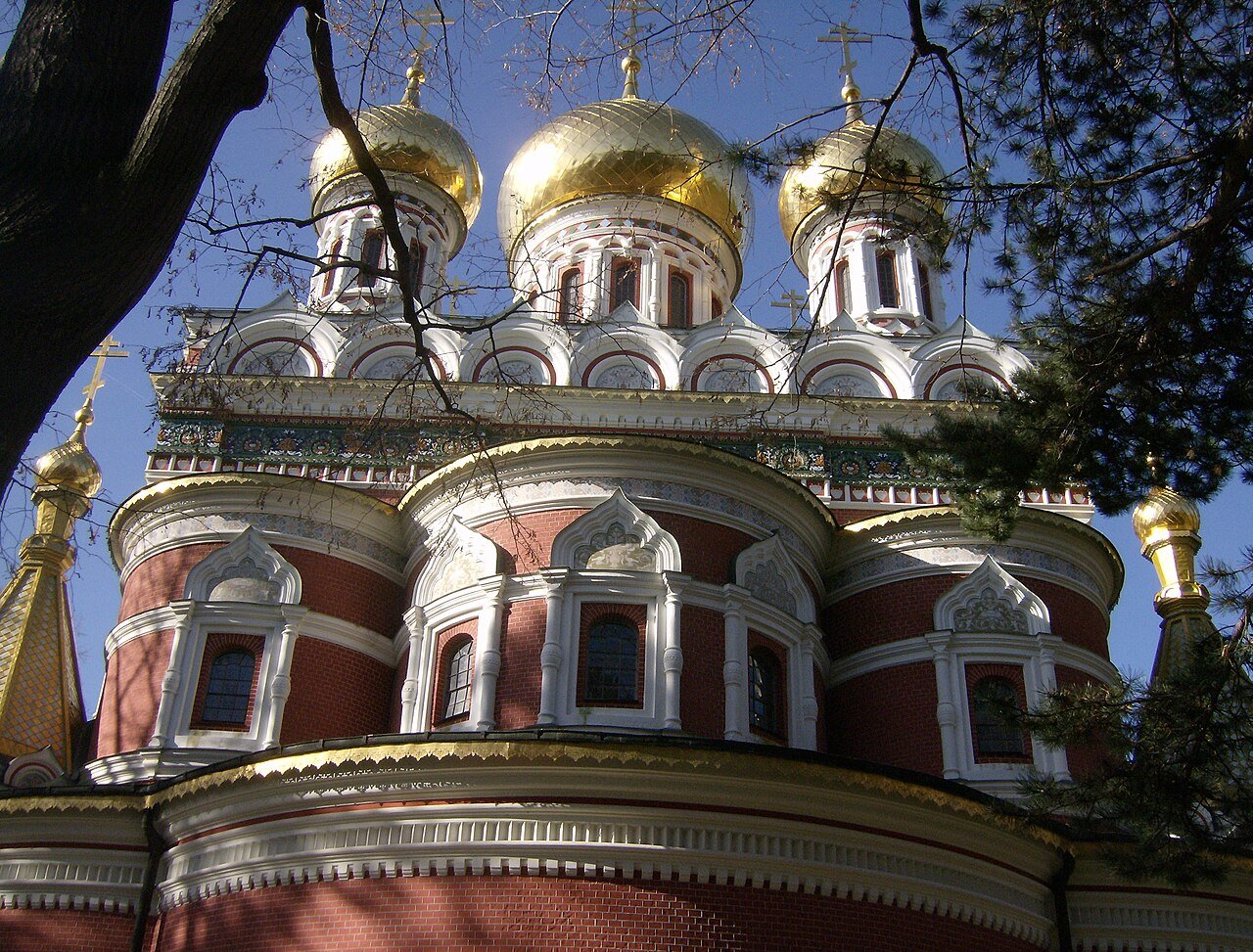
Nativity of Christ Memorial Church
The Nativity of Christ is the katholikon, or main church, of Shipka Monastery in the town of Shipka, Kazanlak Municipality. It has been designated a memorial church and cultural monument of national significance in Bulgaria. This historic church is dedicated to the heroes of the Russo-Turkish War of 1877–1878 and contains an ossuary with the bones of approximately 9,000 Russian and Bulgarian soldiers who died during Bulgaria's War of Liberation.
Shipka, Kazanlak Municipality, 27 September 1902
Read more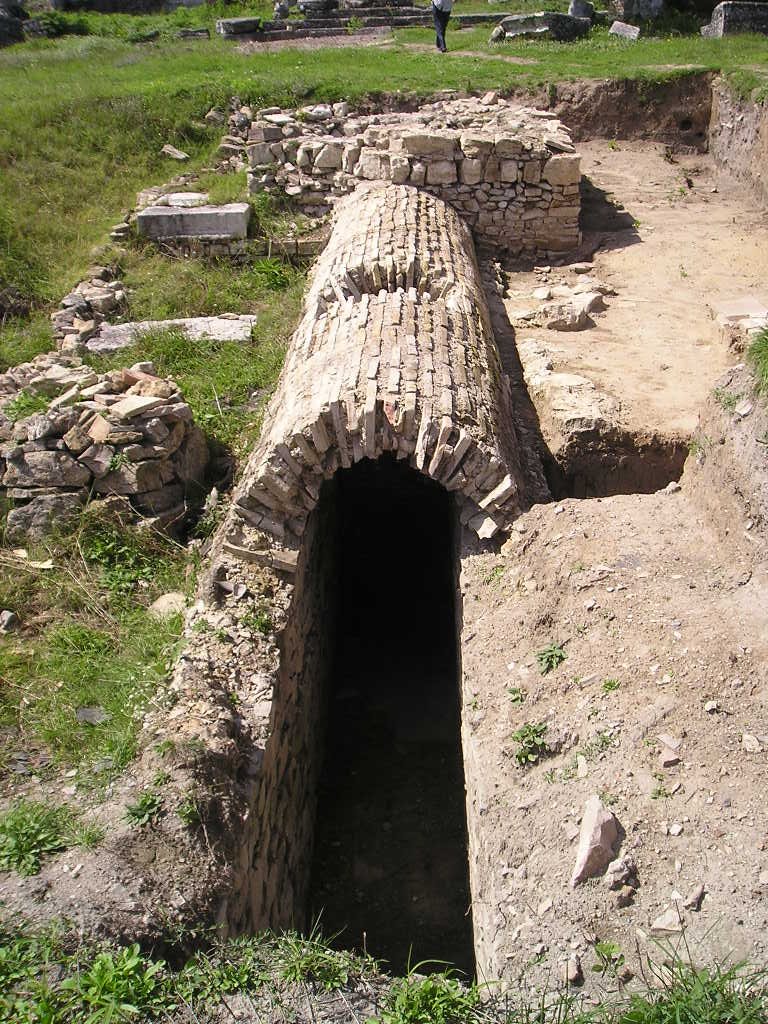
Nicopolis ad Istrum
Nicopolis ad Istrum is an ancient Roman town in present-day north-central Bulgaria. Its remains are situated 18 km north of Veliko Tarnovo. Nicopolis ad Istrum is protected by rectangular defensive walls with gates in all four main sides.
North-central Bulgaria, AD 102
Read more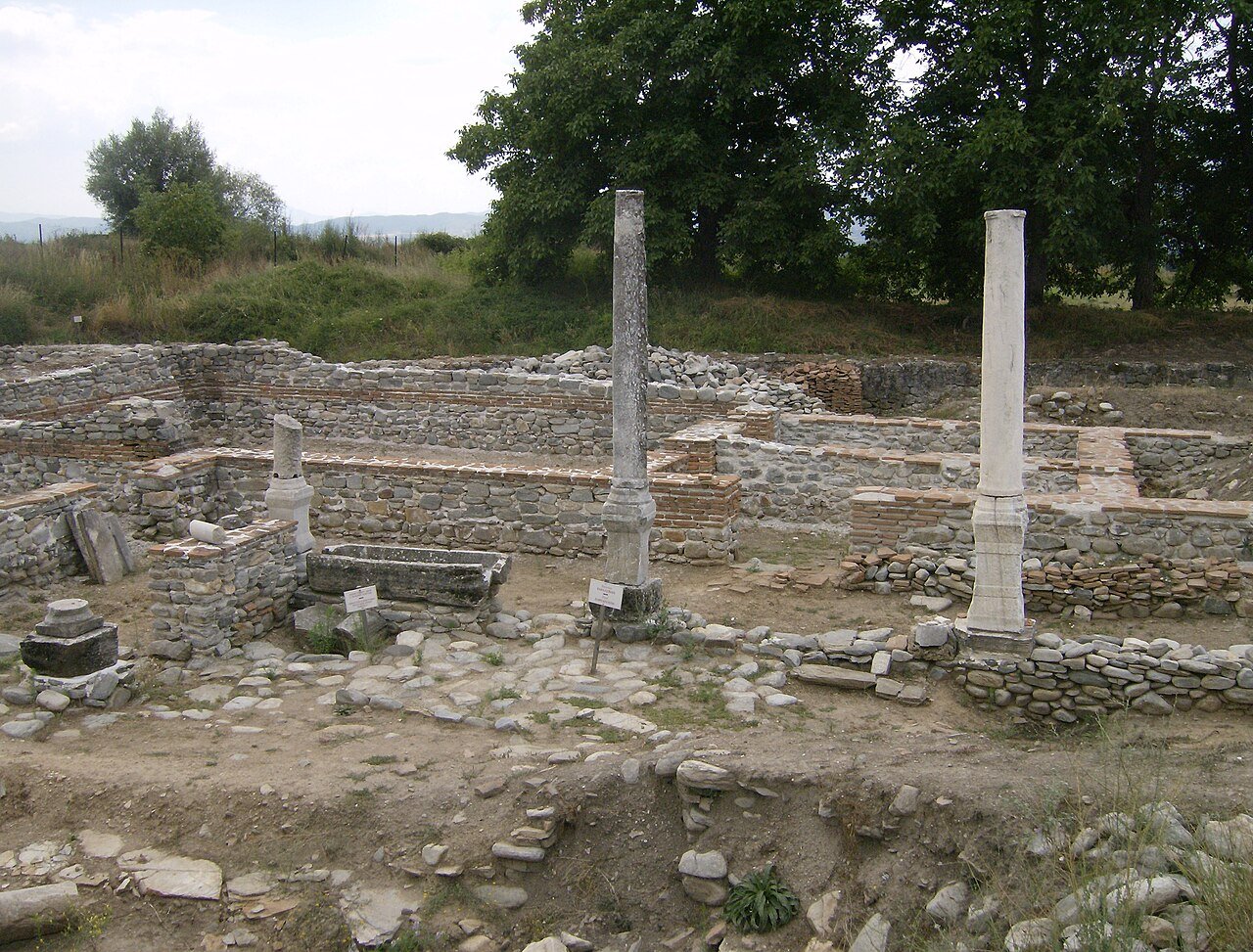
Nicopolis ad Nestum
Nicopolis ad Nestum is a Roman town in southwestern Bulgaria with a rich history and architectural significance. It was founded in AD 106 by the Roman emperor Trajan, who named it the "City of Victory by the Nestos", the Mesta River. Its foundation is associated with Trajan's victory over the Dacians.
Southwestern Bulgaria, Second–thirteenth century
Read more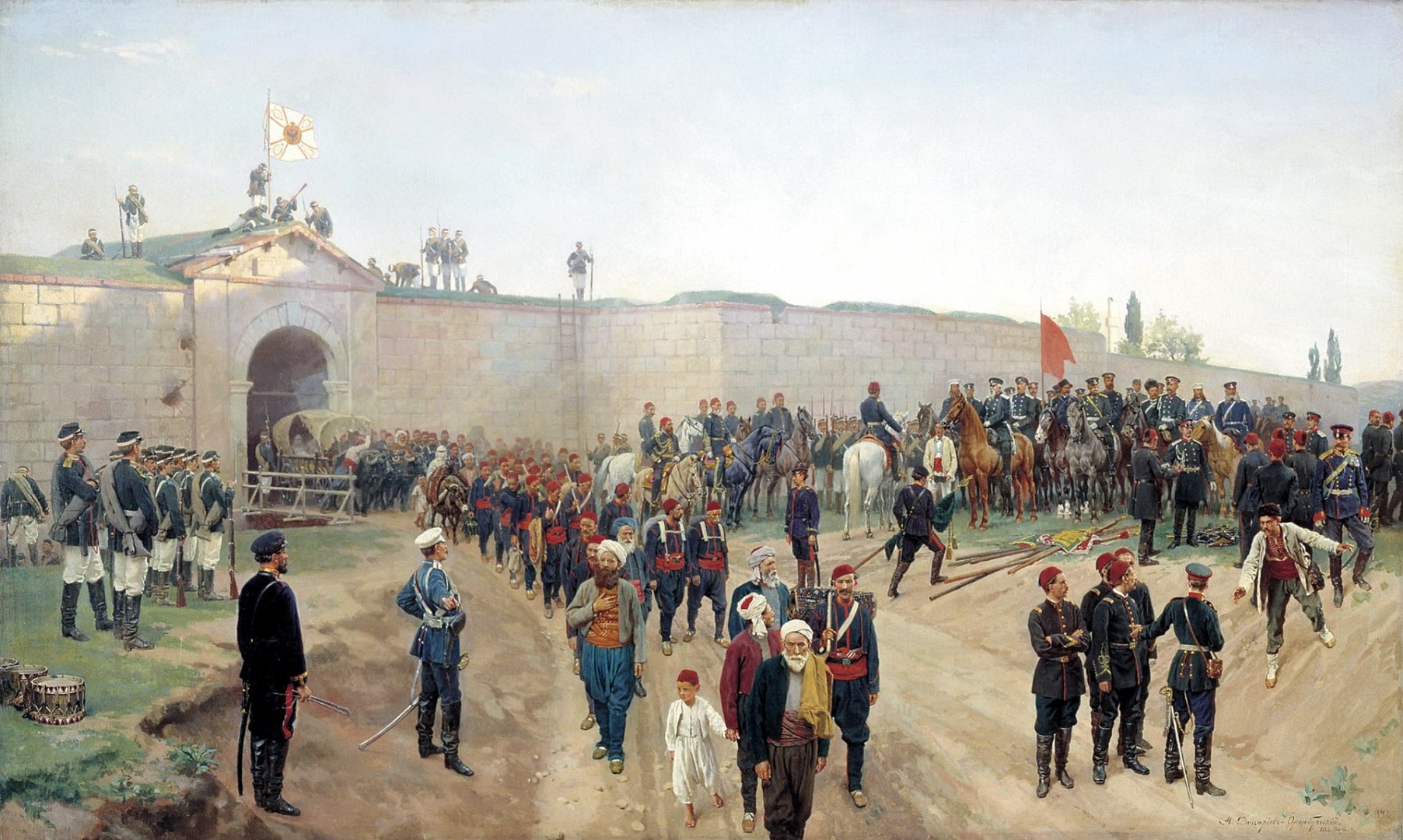
Nikopol Fortress
Nikopol Fortress, near Nikopol, was a strongly fortified structure of strategic importance with a well-protected harbour. Surviving parts known as Shishman's Gate date from the early nineteenth century, rather than from Tsar Ivan Shishman's time. Nikopol Fortress is mentioned in the eleventh-century Bulgarian Apocryphal Chronicle.
Pleven Province, Nikopol, Around the eleventh century
Read more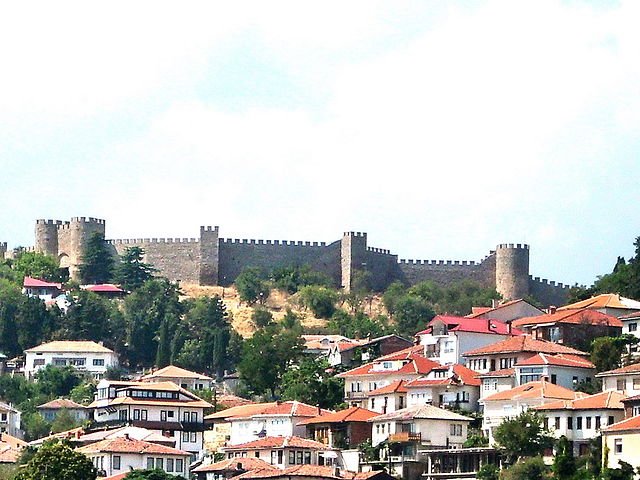
Ohrid Fortress
Ohrid Fortress, also known as Gorni Saray, is a medieval fortress that surrounded Ohrid, the capital of the First Bulgarian Empire. It was later also named Samuel's Fortress in honour of the Bulgarian tsar Samuel. It is a significant historic landmark in Ohrid, North Macedonia, and was declared a cultural monument in 1998.
North Macedonia, Ohrid, Tenth–eleventh century
Read more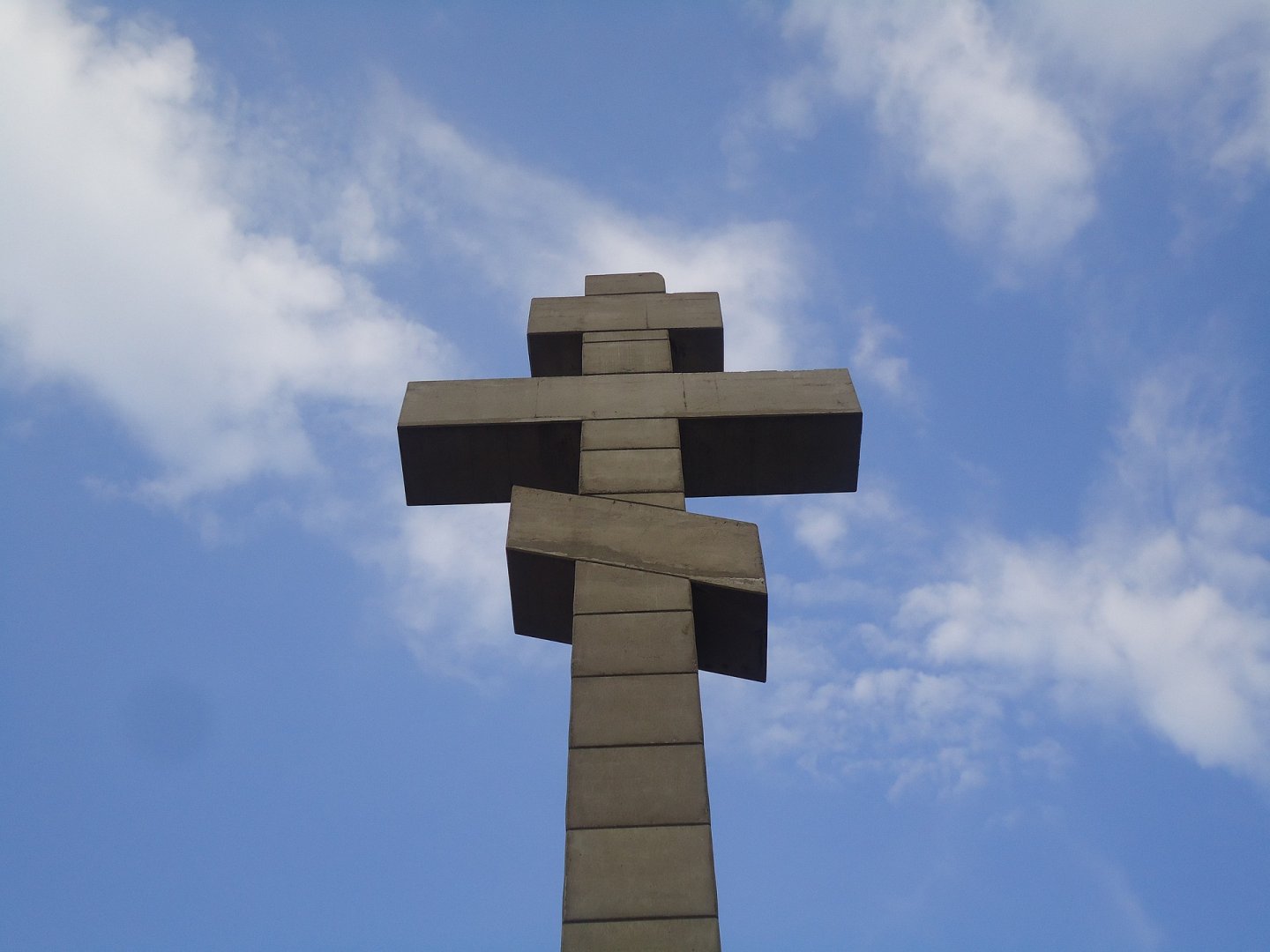
Okolchitsa Peak
Okolchitsa, also known as Vola, is a peak in the Vratsa Mountains within Hristo Botev National Park, about 20 kilometres southeast of Vratsa. On 1 June 1876, or 20 May Old Style, the last battle of Botev's revolutionary detachment took place on Okolchitsa Peak. Between 1936 and 1939, a 35-metre monument topped by a Volunteer Corps cross was erected on Okolchitsa to honour the heroism of Hristo Botev and his detachment.
Southeast of Vratsa, 1951
Read moreOstrusha
The Ostrusha funerary and cult complex, beneath the mound of the same name near Shipka in Stara Zagora Province, was discovered in April 1993 by the Bulgarian archaeologist Georgi Kitov. The complex dates from the mid-4th century BC and was used as a temple of Sabazios, the Thracian god of immortality, until the 4th century AD. In its size and layout, the structure beneath the mound ranks among the most important architectural achievements in Thrace and the Valley of the Thracian Rulers.
Stara Zagora Province, near Shipka, 4th century BC–4th century AD
Read more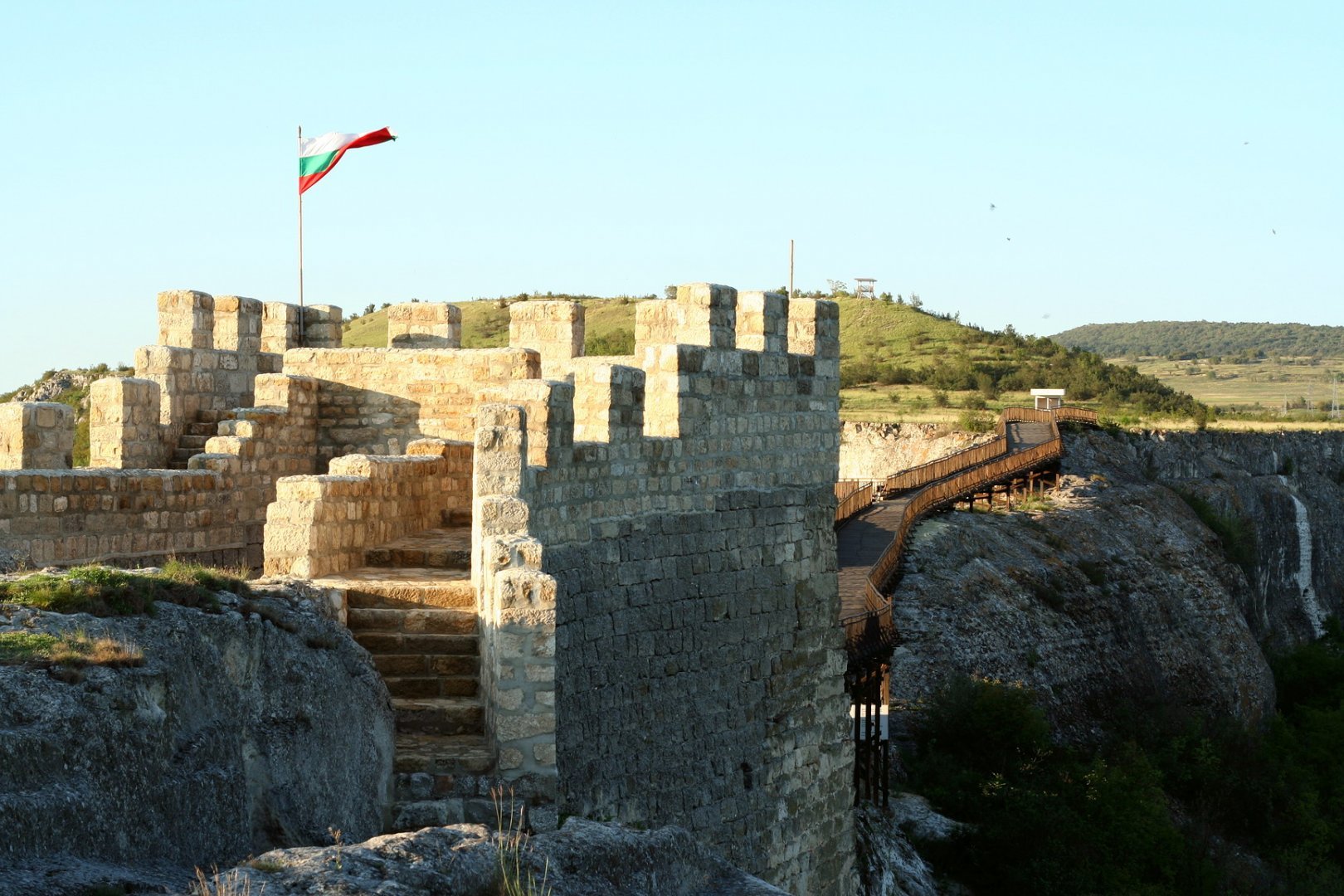
Ovech Fortress
Ovech is a medieval fortress east of Provadia on the Kaleto Plateau. Built by the Romans in the fourth century, it remained in use until the early seventh century, after which it was inactive for almost a century. During the Second Bulgarian Empire, the fortress reached its greatest prosperity and was one of the most powerful in eastern Bulgaria.
Near Provadia, Fourth century
Read more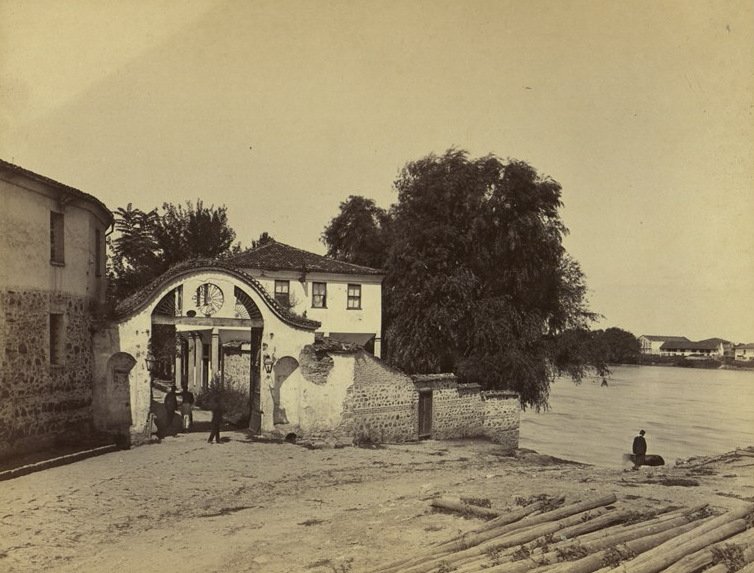
Panair Inn
Panair Inn was an inn in Plovdiv built in the 15th century on the orders of Shahabeddin Ghazi Pasha, the beylerbey, or governor, of Rumelia. It stood between the wooden bridge over the River Maritsa and the Hünkar public bath, or hammam, opposite the complex of buildings around the Imaret Mosque constructed by the pasha. The complex also included a religious school, or madrasa, and a kitchen, or imaret, offering free food to the poor and needy and to travellers passing through the town.
Plovdiv, Mid-15th century
Read morePantheon of National Revival Heroes
The Pantheon of National Revival Heroes is an important national memorial ossuary in Ruse. Designed by architect Nikola Nikolov, it opened on 28 February 1978. The complex is the final resting place of thirty-nine prominent Bulgarians, including Lyuben Karavelov, Zahari Stoyanov, Stefan Karadzha, Panayot Hitov, Baba Tonka, Nikola Obretenov, Panayot Volov, Angel Kanchev and others.
Ruse, 1978
Read more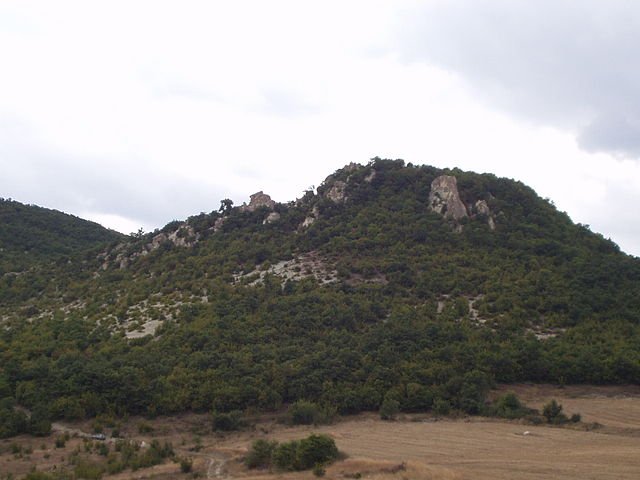
Perperikon
Perperek is a complex with remains from early history, antiquity and the Middle Ages in Bulgaria's Eastern Rhodope Mountains. It includes a large megalithic sanctuary, ancient monuments and a medieval fortress. The complex lies 15 km northeast of Kardzhali and occupies the highest peak in the area.
Kardzhali Province, Sixth millennium BC–fourteenth century AD
Read morePetrich Kale Fortress
Petrich Kale is a historically significant Early Byzantine and medieval Bulgarian fortress east of Razdelna in Varna Province. It stands on a high stone terrace within the Avren Plateau and forms part of an important Early Byzantine defensive system. The fortress was built in the fifth–sixth century and was a key element of this defensive line.
Varna Province, Fifth–sixth century
Read more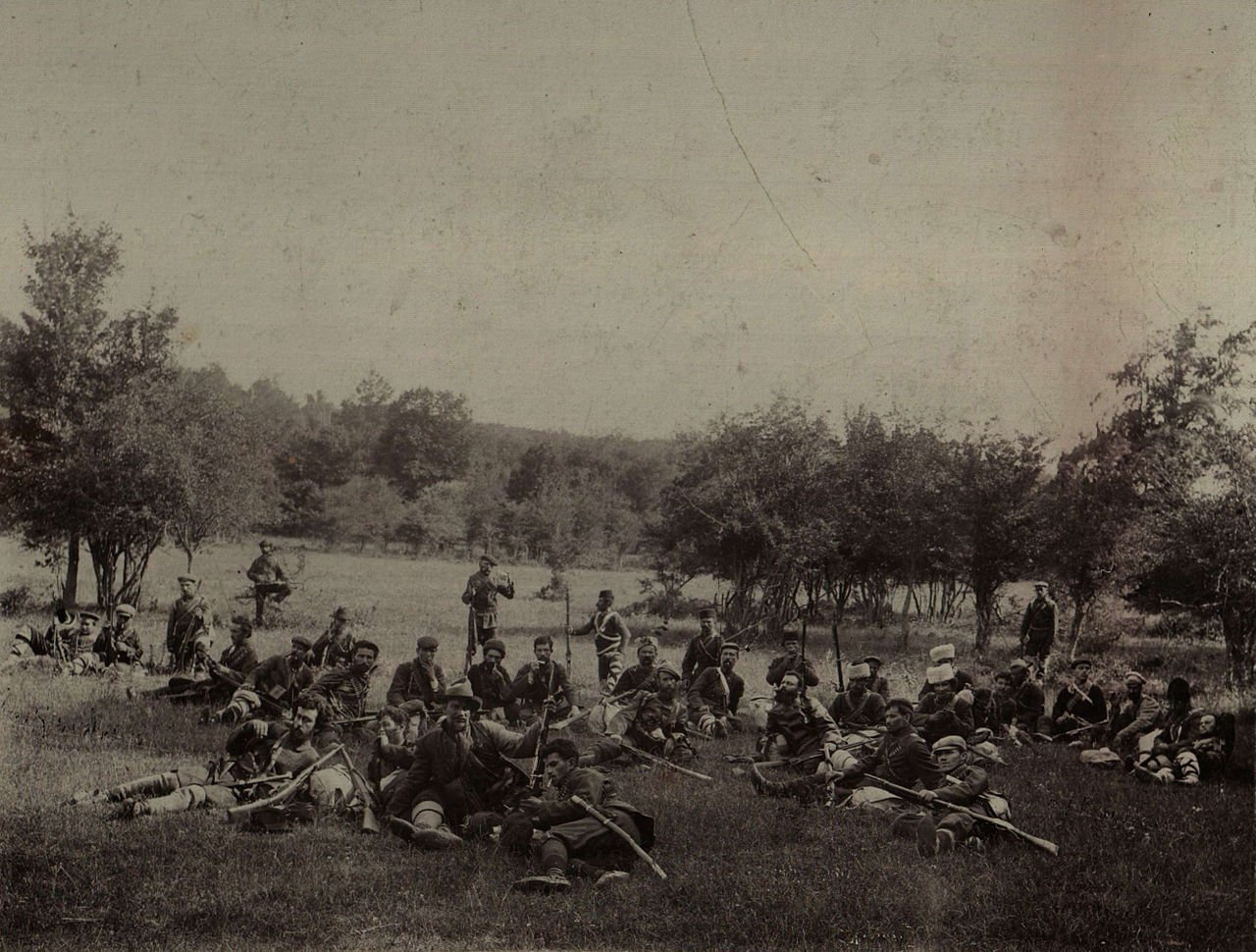
Petrova Niva
Petrova Niva is a historic site in the Strandzha Mountains near Stoilovo. In 1903 it hosted a congress of the Adrianople Revolutionary District of the Internal Macedonian-Adrianople Revolutionary Organisation, where the general plan for the regional uprising during the Ilinden–Preobrazhenie Uprising was discussed. A monument was built on the site in 1958, and the Church of St Petka was erected in 2003 for the uprising's centenary.
Southeastern Bulgaria, near Stoilovo, No information
Read more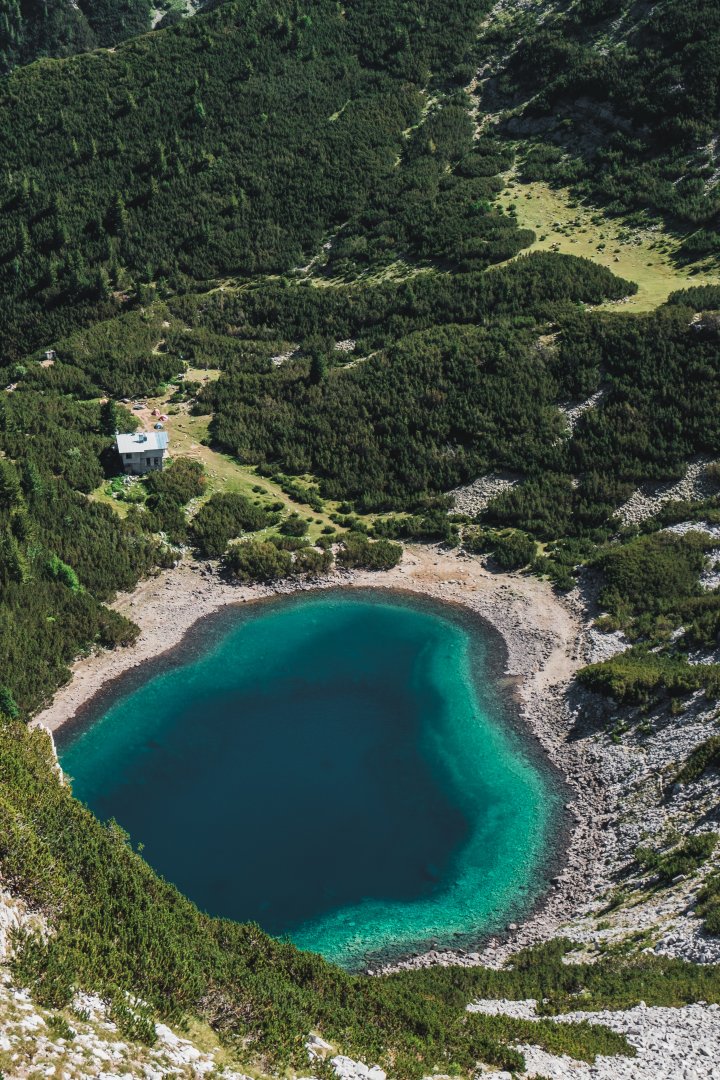
Pirin National Park
Pirin National Park covers most of the Pirin Mountains in southwestern Bulgaria and is one of the country's three national parks, alongside Rila and Central Balkan. Pirin National Park is part of UNESCO's World Cultural and Natural Heritage. It was established as Vihren People's Park on 8 November 1962 to protect the forests in the mountain's highest areas.
Blagoevgrad Province, 8 November 1962
Read more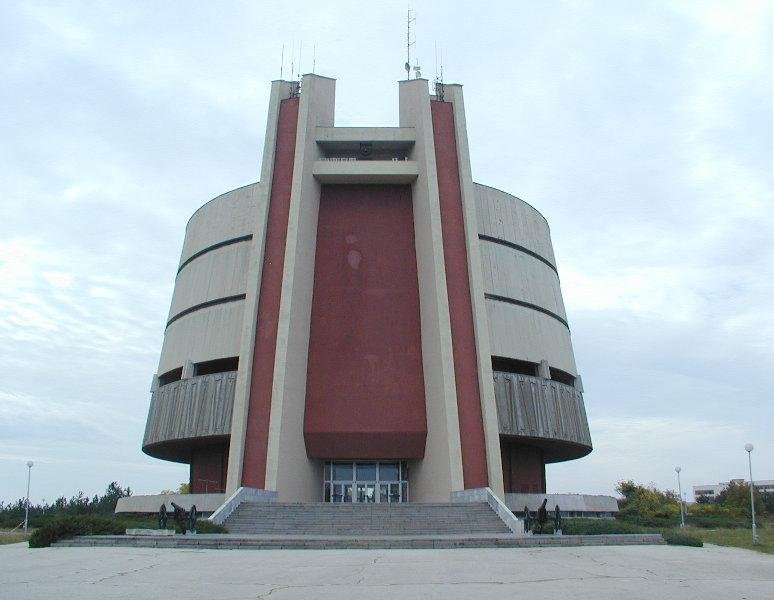
Pleven Epic Panorama
The "Pleven Epic 1877" Panorama is an art museum in Pleven, built to commemorate the centenary of the liberation of Pleven from Ottoman rule. The panorama is situated in Skobelev Park, close to the Kovanlak Redoubt. Opened in 1977, the panorama is one of nearly 200 monuments erected by the people of Pleven in memory of the Russians, Romanians and Bulgarians who died during the Siege of Pleven.
Pleven, 10 December 1977
Read more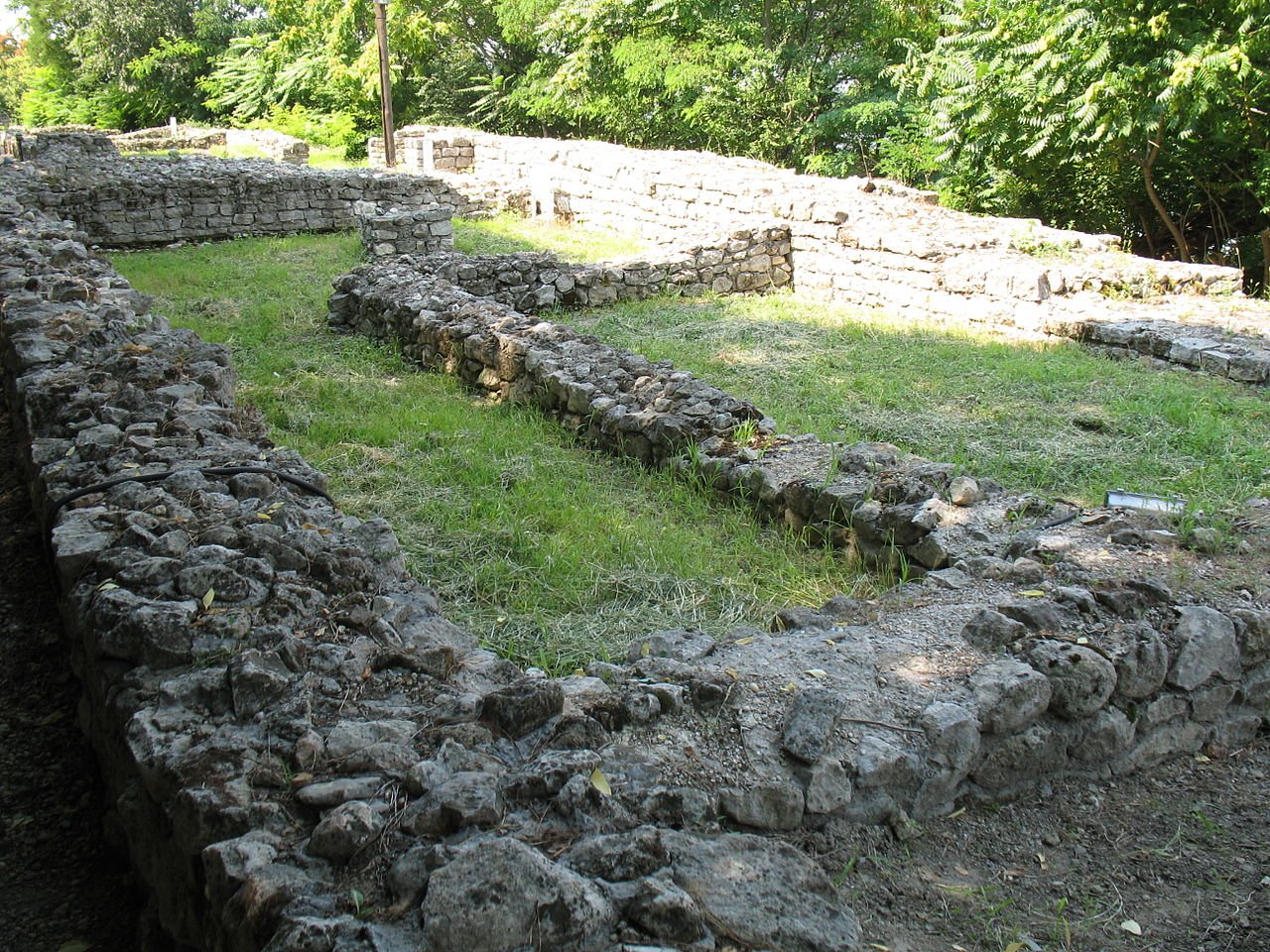
Prista Fortress
Sexaginta Prista, also known as Priturata, is an ancient Roman fortress on the site of present-day Ruse. Its name translates as "Harbour of the Sixty Ships", underlining its naval character. The fortress stands over the ruins of an ancient Thracian settlement, as evidenced by the discovery of a Thracian jug dating to the second–first century BC and containing organic material, mainly from domestic animals.
Ruse, Second century BC–seventh century AD
Read more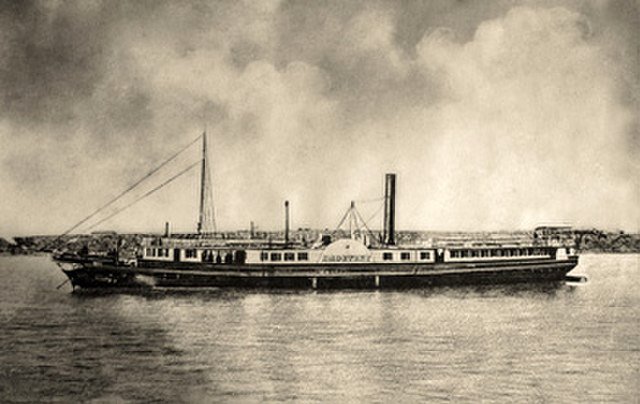
Radetzky Steamship
The Radetzky is a historic steamship built in 1851 at the Óbuda shipyard in Óbuda, now part of Budapest. It was intended for regular services on the River Danube between Galați and Orșova. The ship bears the name of the Austrian field marshal Joseph Radetzky.
Kozloduy, beside the River Danube, 30 May 1966
Read moreRazboishte Monastery
During Ottoman bondage, Razboishte Monastery suffered devastation and lamentation. Information about it has survived mainly through oral traditions and legends, since almost all written evidence and documents were irretrievably destroyed. Repeated plundering was followed by rebuilding, underlining this Bulgarian monastery's importance and resilience.
Sofia Province, near Razboishte, Thirteenth–fifteenth century
Read more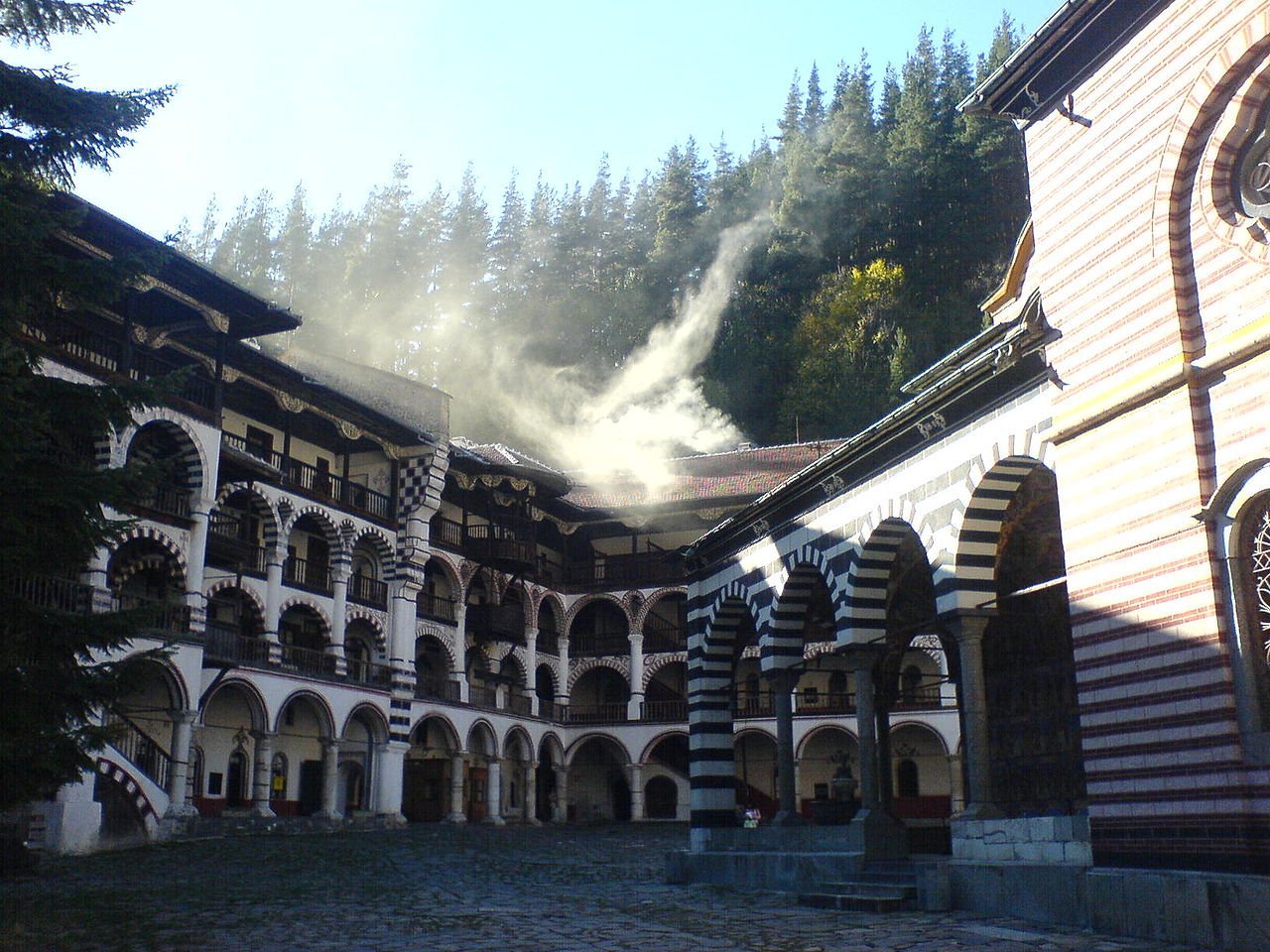
Rila Monastery
The Rila Monastery of St Ivan of Rila is one of Bulgaria's most significant and culturally rich monuments, occupying a key place in the country's history and culture. It symbolises spirituality and education across different periods of Bulgarian history. In 1983 UNESCO inscribed it on the World Heritage List as part of humanity's cultural heritage.
Western Bulgaria, Rila Municipality, 1335–1833
Read more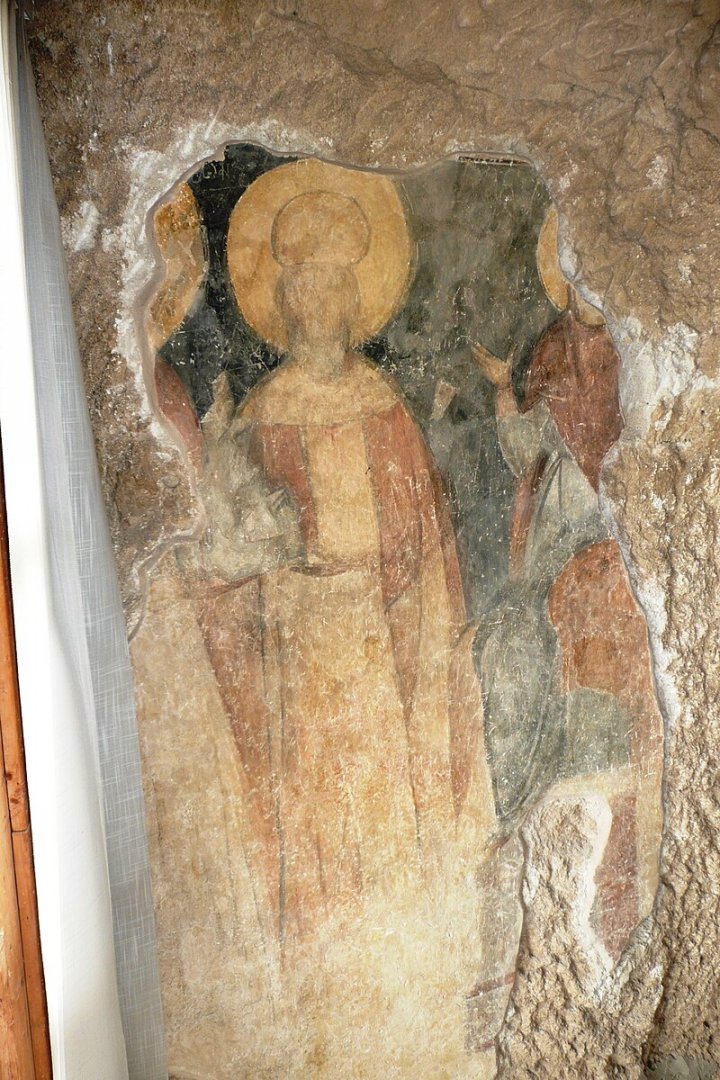
Rock-Hewn Churches of Ivanovo
The Rock-Hewn Churches of Ivanovo form a complex of churches, chapels and cells cut into the rocks in the picturesque canyon of the Rusenski Lom River, near the village of Ivanovo, 18 km from Ruse. This is one of Bulgaria's most significant medieval rock-hewn sites. It is included on UNESCO's World Cultural and Natural Heritage List and is one of nine sites of this kind in Bulgaria.
Ruse Province, near the village of Ivanovo, Fourteenth century
Read moreRoman Baths
The Roman baths in Varna, built towards the end of the 2nd century, are the largest Roman baths in the Balkans. The building, with its innovative heating systems, remained in use until the end of the 3rd century. The baths were a social centre in the ancient city of Odessos, where men discussed important matters.
Varna, 2nd century
Read more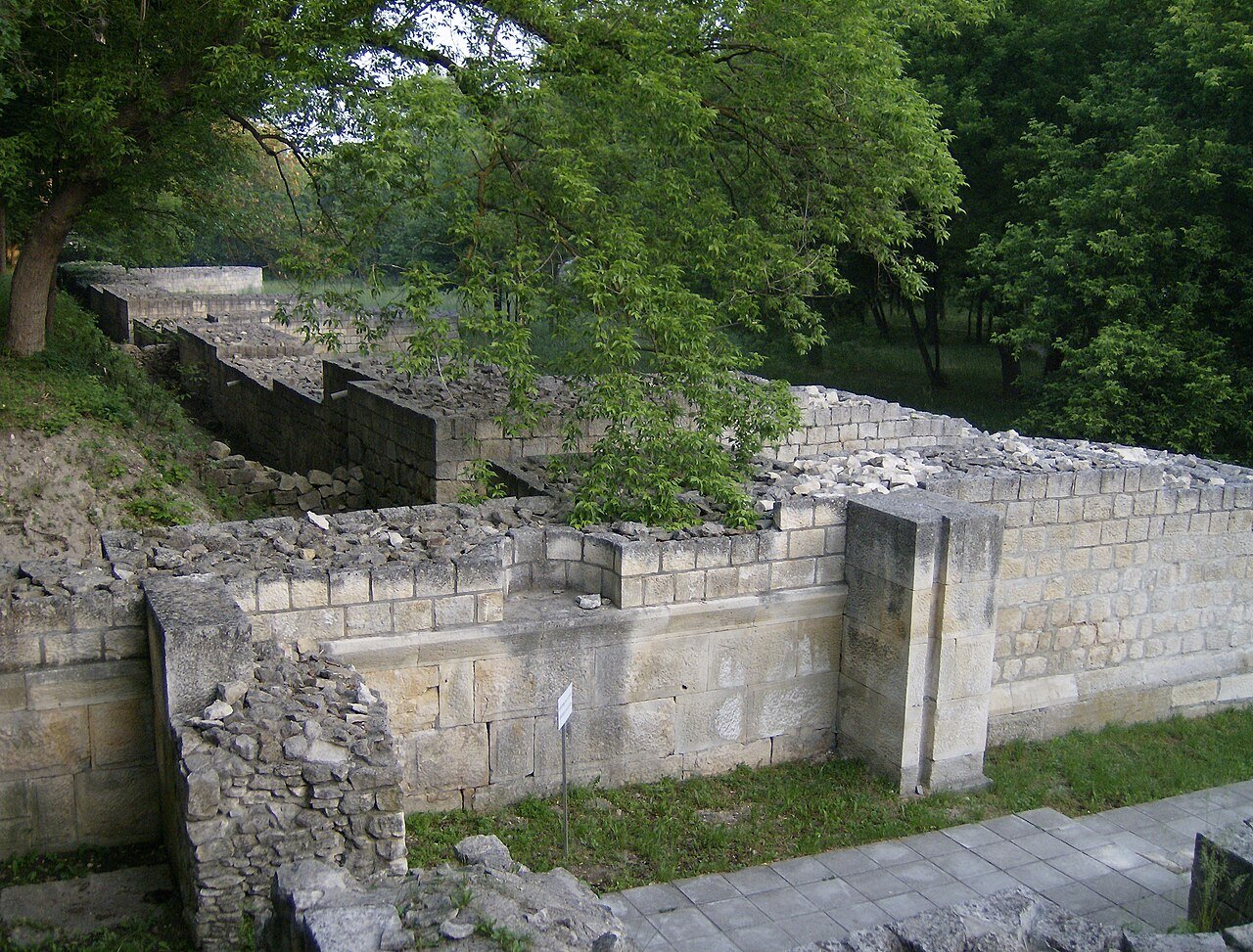
Roman Settlement of Abritus
Abritus, in northeastern Bulgaria, is an ancient Roman settlement whose history stretches back centuries. Approximately 2.5 km east of the modern centre of Razgrad, the town preserves a rich historical heritage and is an important tourist site. Abritus began as a Thracian settlement and became a Roman military camp in the first century, subsequently developing into a town in the second century.
Northeastern Bulgaria, Second–fourth century
Read more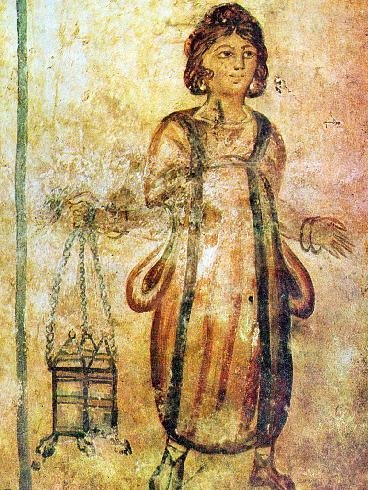
Roman Tomb in Silistra
The Roman tomb in Silistra is an exceptionally well-preserved architectural monument of the ancient Roman city of Durostorum, in northeastern Bulgaria. Built in the middle of the 4th century AD, it bears witness to the region's rich history. Although the influence of Christianity had already reached Silistra by this period, the tomb is clearly an expression of funerary art commissioned by a pagan owner.
Silistra, 4th century BC
Read more