Roman Settlement of Abritus

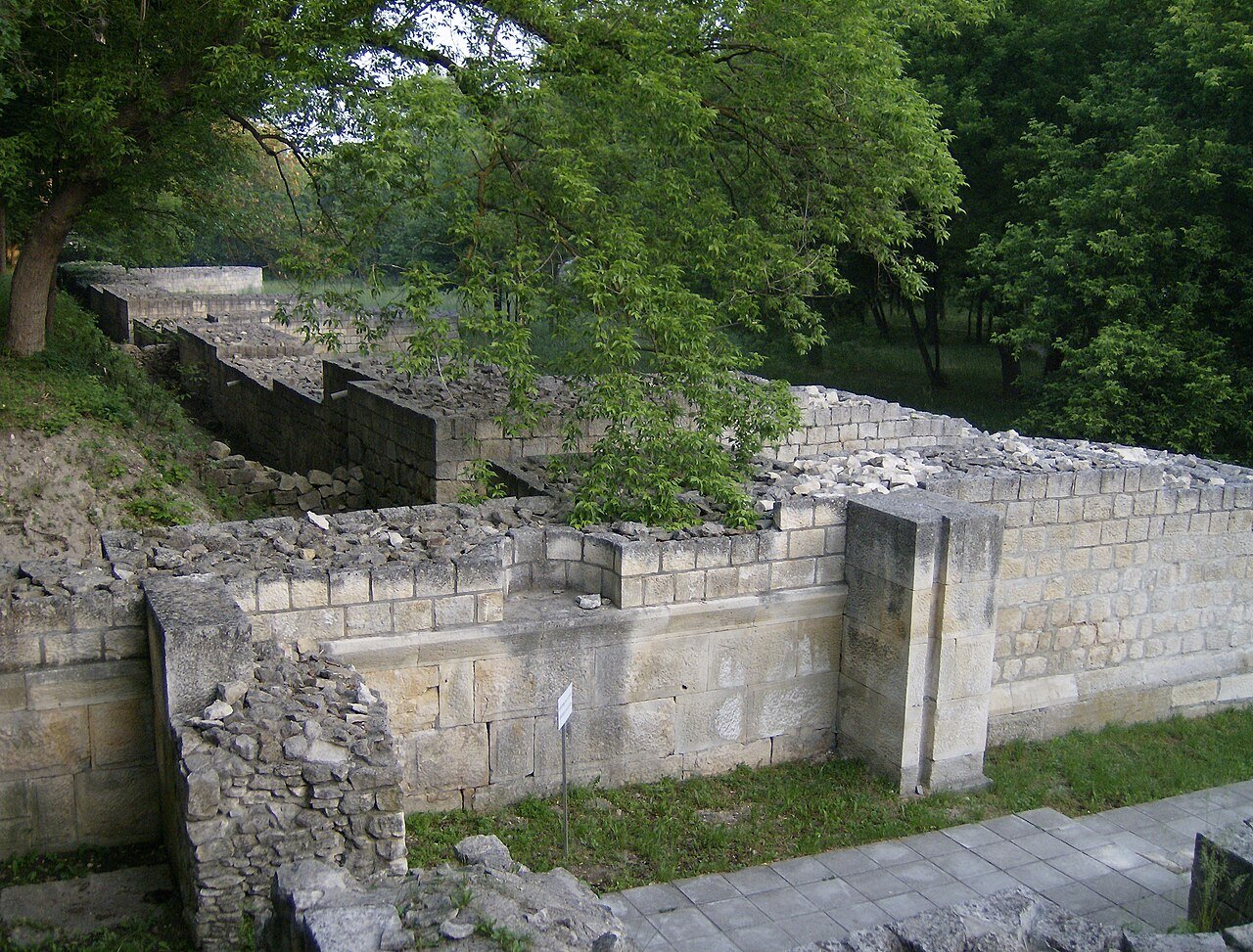
Roman Settlement of Abritus
Abritus, in northeastern Bulgaria, is an ancient Roman settlement whose history stretches back centuries. Approximately 2.5 km east of the modern centre of Razgrad, the town preserves a rich historical heritage and is an important tourist site. Abritus began as a Thracian settlement and became a Roman military camp in the first century, subsequently developing into a town in the second century. It reached its cultural and economic peak between the second and fourth centuries. The name Abritus is of Latin origin and means "steep". The town is also known as the centre of a diocese in the fourth century, with a bishop named Marcian. In 586, however, Abritus was destroyed by the Avars. A Bulgarian settlement then arose in the seventh–eighth century and continued to exist until the tenth. Archaeological excavations provide valuable information about the town's development. From 1953 onwards, Teofil Ivanov conducted various excavations, uncovering a Roman castellum and an Early Byzantine town. The town was built on the typical Roman model, with straight streets, a forum and a water-supply system. Excavations also revealed two Christian churches, attesting to its religious life. Covering 1,000 decares, the Abritus Reserve encompasses monuments of Roman, Thracian and medieval Bulgarian culture. Among the most remarkable are the ancient town of Abritus, covering 150 decares, and the open-air museum displaying the most valuable finds, including the Golden Pegasus and the large hoard of 835 fifth-century Roman gold coins. This rich archaeological reserve offers a unique opportunity to understand Bulgarian history and culture more fully, attracting tourists and historians from around the world.
Northeastern Bulgaria, Second–fourth century
Share:


