Prista Fortress

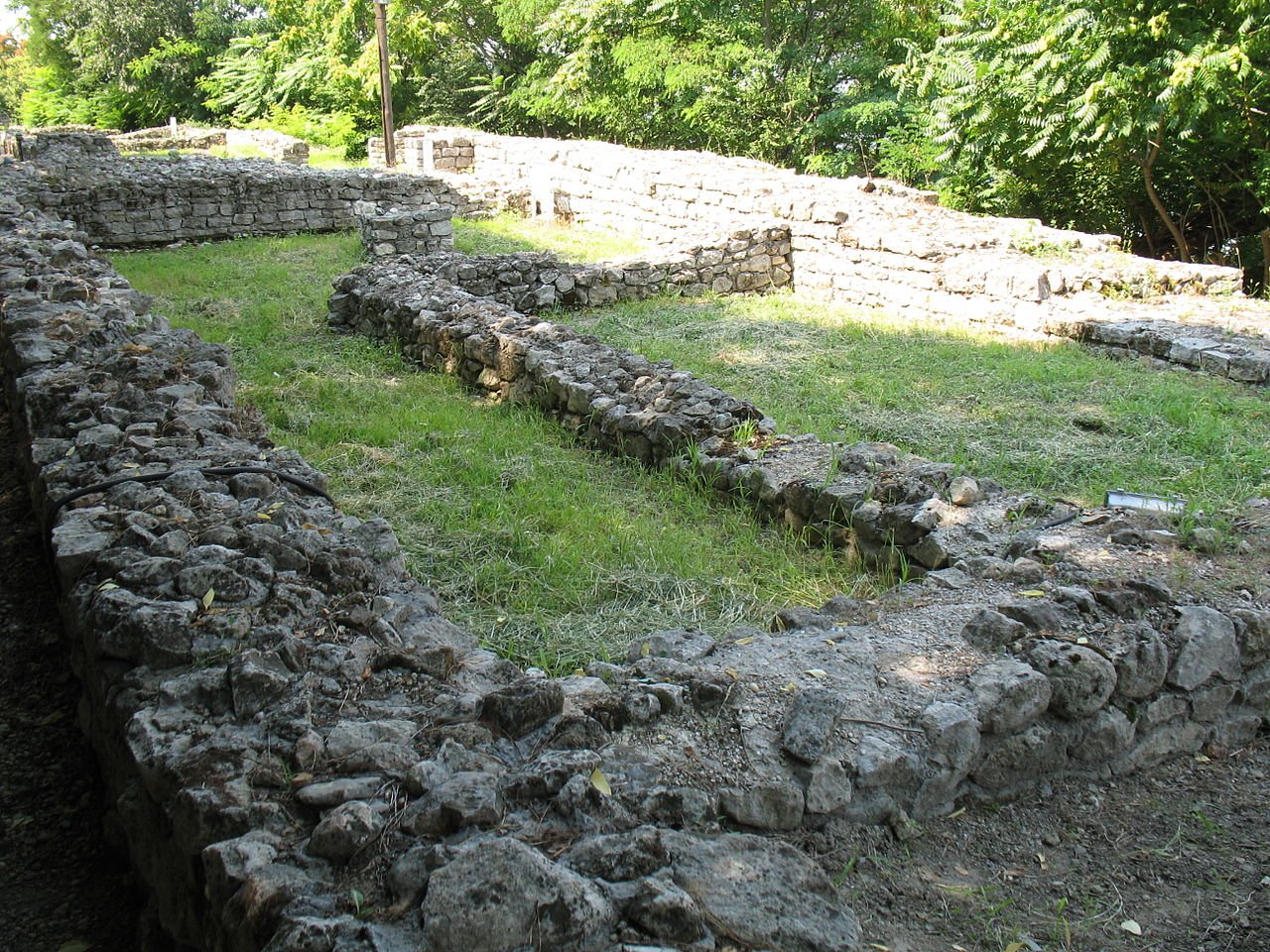
Prista Fortress
Sexaginta Prista, also known as Priturata, is an ancient Roman fortress on the site of present-day Ruse. Its name translates as "Harbour of the Sixty Ships", underlining its naval character.
The fortress stands over the ruins of an ancient Thracian settlement, as evidenced by the discovery of a Thracian jug dating to the second–first century BC and containing organic material, mainly from domestic animals. This points to an affluent population in the region, while the large number of pig bones indicates a preference for delicacies during this period. Archaeologists also discovered an ancient ceramic vessel from Rhodes dating to the third century BC and numerous pottery fragments that attest to intensive trade.
The earliest information about the fortress comes from the ancient geographer Claudius Ptolemy, who mentions it in his writings. The itinerary of Emperor Antoninus Pius records it as Sexantapristis, while Professor Bormann connects it with military harbours in Italy from Trajan's reign, suggesting that it had sixty berths.
Archaeological excavations in 2006 uncovered the remains of a Roman military headquarters used from the fourth to the early fifth century. They also revealed a stone-reinforced tunnel used during the Ottoman period. The region bears the weight of history: the fortress shared the fate of others on the right bank of the Lower Danube, succumbing to Avar and Slav attacks in the sixth and seventh centuries. In the ninth–tenth century, the medieval settlement of Ruse developed over its ruins.
Ruse, Second century BC–seventh century AD
Share:


