Rock-Hewn Churches of Ivanovo

Rock-Hewn Churches of Ivanovo
The Rock-Hewn Churches of Ivanovo form a complex of churches, chapels and cells cut into the rocks in the picturesque canyon of the Rusenski Lom River, near the village of Ivanovo, 18 km from Ruse. This is one of Bulgaria's most significant medieval rock-hewn sites. It is included on UNESCO's World Cultural and Natural Heritage List and is one of nine sites of this kind in Bulgaria.
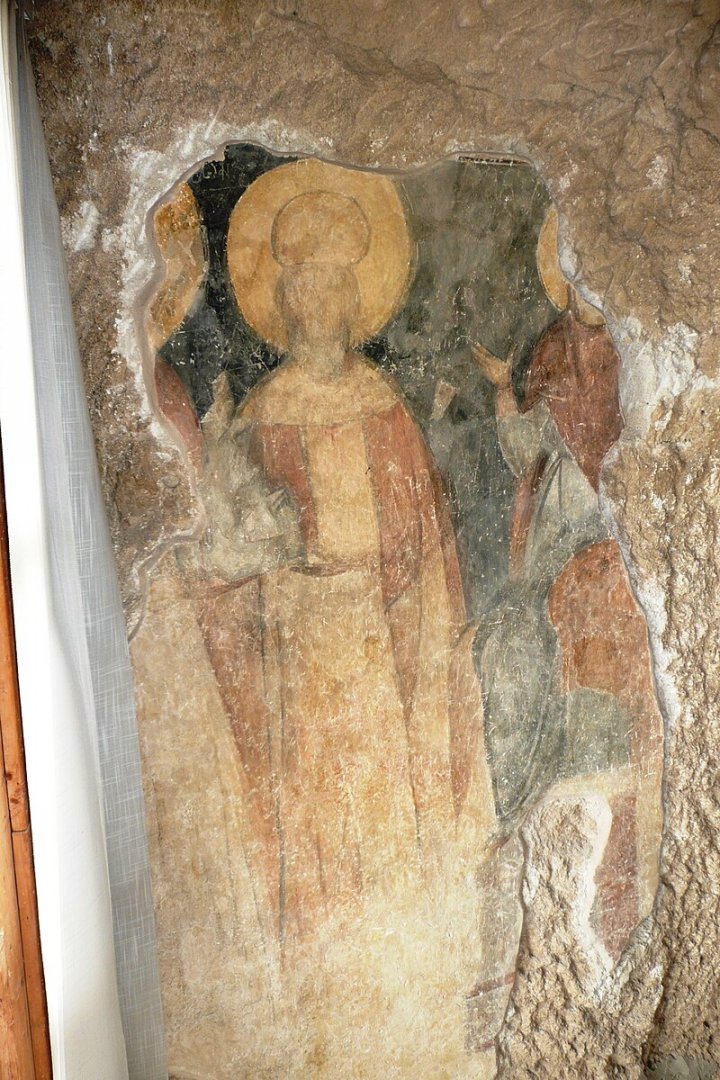
The Rock-Hewn Churches of Ivanovo are known for their remarkably preserved wall paintings, which represent high points in the development of medieval art. The complex includes churches, monastic complexes and individual cells carved into the canyon's rocks.
The monastery was founded in the thirteenth century by the monk Joachim, later elected the first Patriarch of Tarnovo. During the Second Bulgarian Empire, the monastery maintained ties with the royal court at Tarnovo, with Tsars Ivan Asen II and Ivan Alexander among its donors.
The monastery's architecture is complex, bringing together groups of rock-hewn chambers; the most richly decorated are the "Collapsed" Church and the Church of the Holy Mother of God. These churches preserve thirteenth- and fourteenth-century wall paintings by masters of the Tarnovo School of Painting.
The monastery is a museum complex maintained by the Regional Museum of History in Ruse and is one of the region's most visited sites. It contains several sites, including churches, cells and other chambers, with the Church of the Holy Mother of God serving as the main monastic church.
The site is open to visitors during the summer; winter visits require advance arrangement. Tours are periodically organised to the "Buried" Church of St Michael the Archangel, the oldest part of the monastic complex. The entire complex is an important element of UNESCO's world cultural and natural heritage.
Ruse Province, near the village of Ivanovo, Fourteenth century
Share:


