Baba Vida Fortress


Baba Vida Fortress
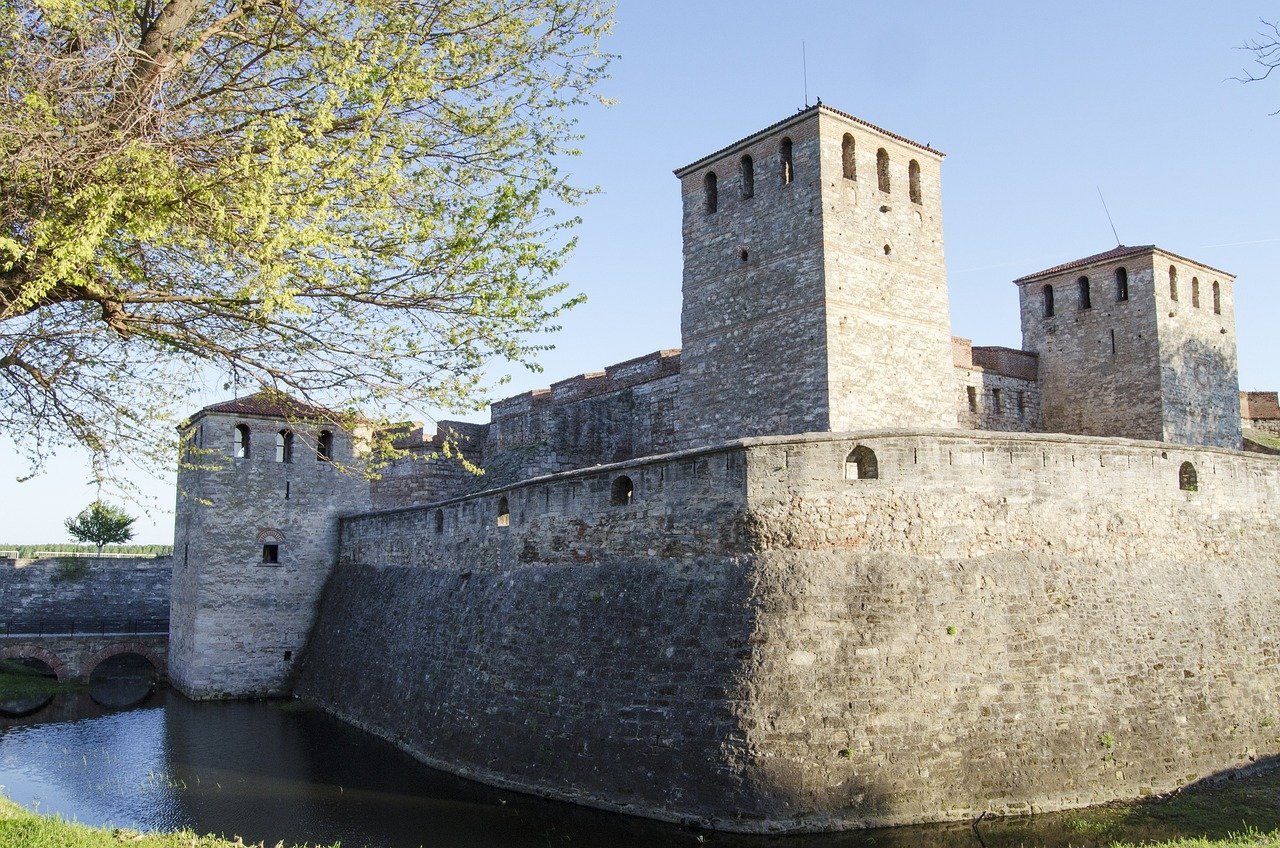
Baba Vida is a medieval fortress in Vidin, regarded as Bulgaria's only fully preserved fortress. It performed many functions in different historical periods, including serving as the local ruler's castle and as an arsenal and prison under Ottoman rule.
The fortress is also known as "Grandmother Vida's Towers", a name derived from a legend about the sisters Vida, Kula and Gamza, who inherited the local ruler's possessions. The eldest, Vida, built the castle, which was named after her "Grandmother Vida's Towers", shortened to "Baba Vida".
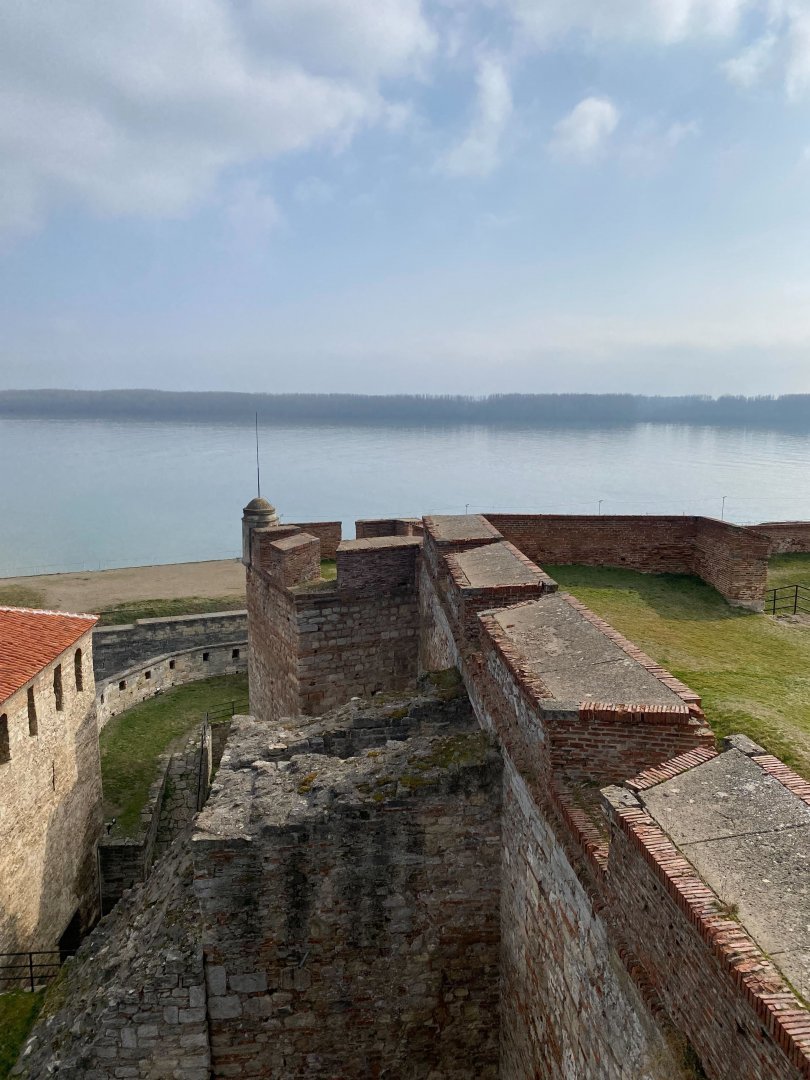
The fortress stands on the northwestern bank of the Danube, near Vidin. It has the shape of a tall trapezium and includes two circuits of defensive walls, four towers, four bastions, bartizans and embrasures for cannon and marksmen. Its structure contains some of the best-preserved towers and walls, including Sratsimir's Tower, the Soldiers' Tower, the Entrance Tower and the Austrian Tower.
Construction of the fortress began in the tenth century, when it was built over part of the ancient Roman fortress of Bononia. During the Second Bulgarian Empire, particularly under Tsar Ivan Sratsimir, it was expanded and inner walls and towers were built. In the sixteenth century, during the Ottoman era, it became part of the larger town fortress of Vidin, also known as the Virgin Fortress because it had never been captured by force.
According to Evliya Çelebi, a seventeenth-century Ottoman travel writer, further construction took place at the fortress in the year 880 under Bayezid, son of the Ottoman Empire's founder Osman I. According to the same source, construction was completed around 1475–1476.
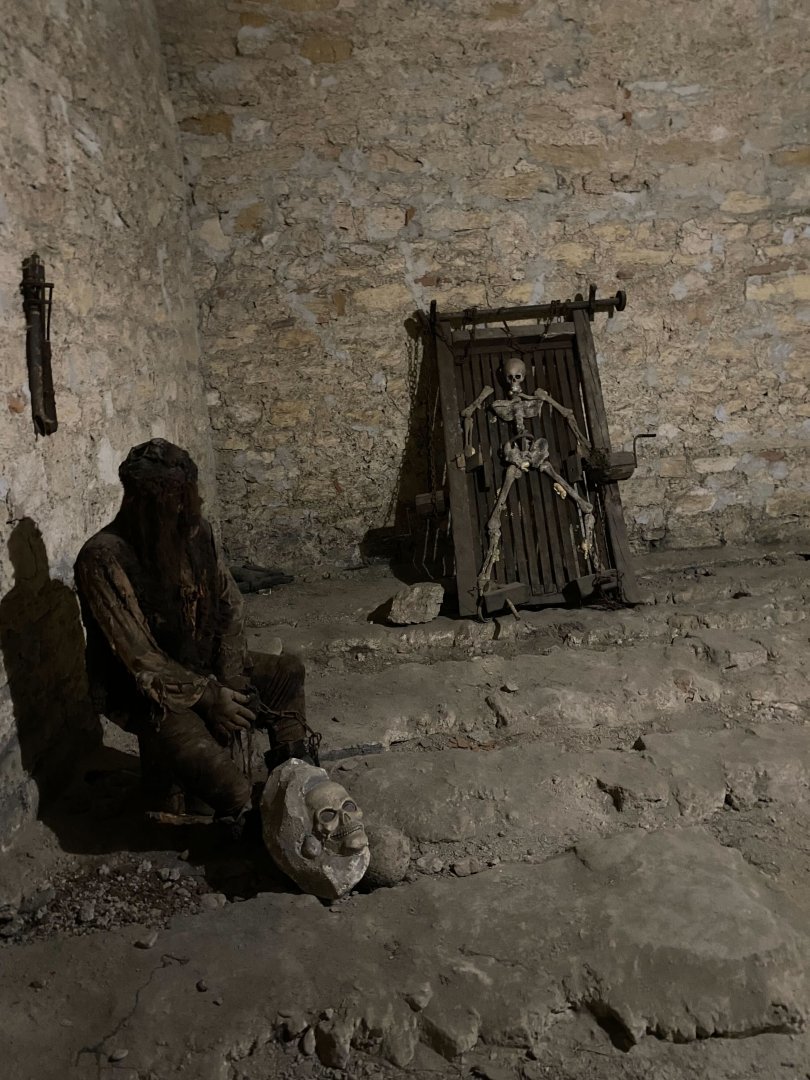
After the eighteenth century, Baba Vida Fortress was no longer used for defence, serving instead as an arsenal and prison.
Today it is a historical and architectural monument, attracting visitors with its rich history and well-preserved walls and towers.
Northwestern Bulgaria, Vidin, Tenth century
Share:


