Ancient City of Kabile

Ancient City of Kabile
The ancient city of Kabile was founded around the fourth century BC at the foot of Zaychi Vrah, near the bend of the Tonzos, or Tundzha, River. The region is an important crossroads of ancient routes linking different parts of Thrace with the Danube valley.
The city flourished in the fifth–fourth century BC, establishing trading links with various cities of the Aegean world. In the second half of the first millennium BC, Kabile became a principal city of the Odrysian Kingdom, uniting Thracian tribes and waging successful wars. In 341 BC it came under Philip of Macedon's rule and later became part of the Roman Empire.
In the fourth century AD, the city became an episcopal centre and rose to prominence as a military and commercial centre. Kabile retained its strategic position and participated in military and economic efforts in subsequent centuries. In 583, following an Avar invasion, it was destroyed and never rebuilt.
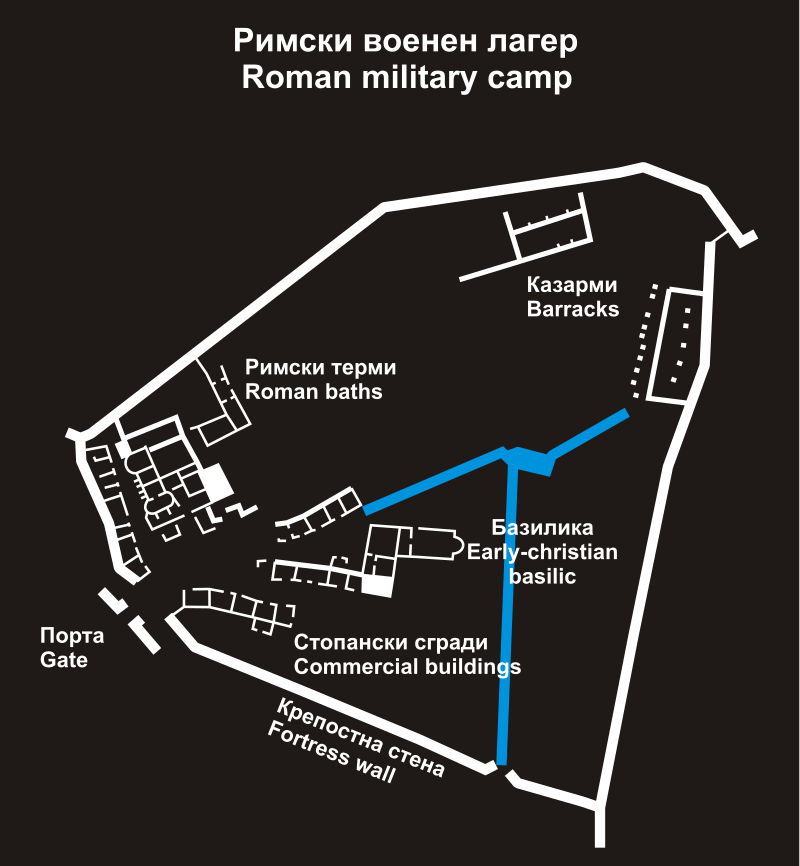
Today the Kabile Archaeological Reserve offers an opportunity to study the region's rich past. Discoveries such as the large inscription reveal important historical aspects, while the remains of the city and settlement illustrate its structure and significance in antiquity. In 1965 the territory occupied by Kabile and its immediate surroundings was designated an area of national significance and made an archaeological reserve covering approximately 650 decares. Remains of various buildings survive within it, including defensive walls and the city's eastern and western gates.
Visitors can see archaeological features including the central square, or agora, public buildings, Roman barracks and a public Roman bath. The principal episcopal basilica has also been excavated, yielding interesting finds including a coloured mosaic now displayed in the museum of local artefacts.
Yambol Province, Around the fourth century BC
Share:


