Historic sites

181 results

Gagovo Tomb
The Gagovo Tomb is a Thracian mound in Popovo Municipality, Targovishte Province, named after the nearby village of Gagovo in the same municipality. This mound and tomb have been designated a cultural monument of national significance and are protected by the state. The Thracian burial mound stands approximately 1,200 metres north-northeast of Gagovo.
Targovishte Province, near Popovo, 4th–3rd centuries BC
Read moreGarvanov Kamak Sanctuary
The rock sanctuary at Garvanov Kamak Peak lies west of the Starosel Thracian cult centre, near the village of the same name. Despite the presence of pottery fragments around the cult site, it has not undergone archaeological investigation. According to the archaeologist Dr Georgi Kitov, the sanctuary on Garvanov Kamak Peak forms part of the ancient Thracian cult centre at Starosel.
Starosel village, No information
Read more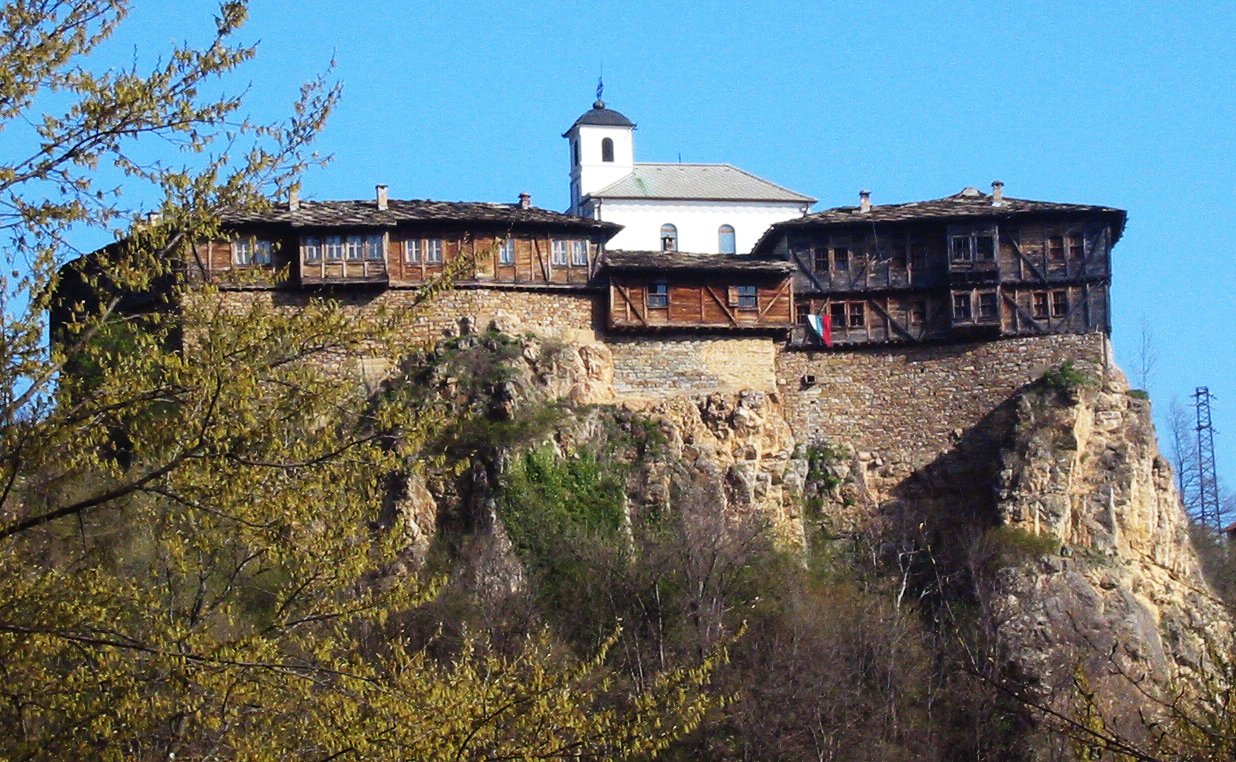
Glozhene Monastery
The Glozhene Monastery of St George the Victorious is a historical and cultural monument within the Diocese of Lovech of the Bulgarian Orthodox Church. It stands near the village of Glozhene in Teteven Municipality, Lovech Province, 12 km from Teteven, on the northeastern slope beneath the cliffs of Kamen Lisets Peak. According to tradition, the monastery was built in the early thirteenth century by the Kyivan prince Georgiy Glozh.
Near Glozhene, Lovech Province, Thirteenth century
Read moreGluhite Kamani
Gluhite Kamani is one of the largest rock-cut religious complexes in the Eastern Rhodope Mountains. It is thought to have originated in the Early Iron Age but remained in use in antiquity and the Middle Ages. This sacred place served the ancient Thracian tribes inhabiting the region, although trapezoidal niches and zoomorphic and anthropomorphic rock profiles suggest that it was established as early as the Chalcolithic.
Eastern Rhodope Mountains, Bulgaria, No information
Read moreGolyama Arsenalka
The Golyama Arsenalka mound contains a Thracian cult building in the Valley of the Thracian Rulers. Discovered by Georgi Kitov, this tomb occupies an important place among Thracian domed tombs. It consists of a domed chamber and a rectangular antechamber with a pitched roof, framed by a monumental façade.
Near Shipka, 5th–4th centuries BC
Read moreHarman Kaya Prehistoric Complex
Harman Kaya is an exceptionally large prehistoric rock-cut cult complex near the hamlets of Abitsa and Gasak, within the lands of Bivolyane village in Momchilgrad Municipality. Also known as Raven Kamak, or Flat Rock, this site is one of the largest in the Eastern Rhodope Mountains. To date, the complex has not undergone systematic archaeological and geophysical investigation.
Kardzhali Province, 5th millennium BC–6th–1st centuries BC
Read moreHelvetia
The Helvetia mound contains a Thracian tomb uncovered in the Valley of the Thracian Rulers near Shipka. The tomb was built on the southern edge of the mound. The burial chamber and vestibule are covered by a corbelled vault of well-dressed blocks joined with iron clamps set in lead.
Stara Zagora Province, near Shipka, 5th–4th centuries BC
Read more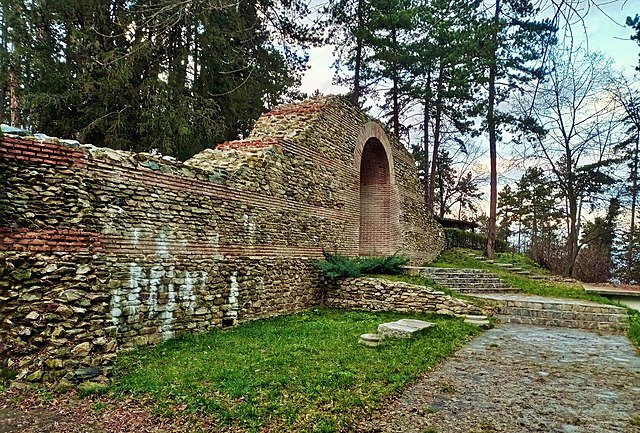
Hisarlaka Fortress
Hisarlaka is a historical and archaeological site of national significance, representing an important stage in Bulgaria's history. The fortress was built in the late fourth and early fifth centuries and underwent various transformations during the Byzantine period and afterwards. It is associated with important historical events, including the Battle of Velbazhd in 1330, when the Serbian king Stefan Dečanski defeated the Bulgarian tsar Michael Shishman.
Kyustendil Province, Fourth–fifteenth century
Read moreHotalich Medieval Fortified Town
Hotalich is a medieval fortified town situated 4 km northwest of Sevlievo. It stands above the gorge of the River Rositsa on naturally fortified hilly terrain known as Krushevski Bair. It was founded in the 5th–6th centuries as a military fortification and restored in the 10th century by the Bulgarian state, which built defences to protect against attacks from the north and from Byzantium to the south.
Sevlievo, 17th century
Read moreIndipasha—An Ancient Thracian Votive Site
Indipasha, probably an ancient Thracian votive site, lies near the village of Slivarovo in Strandzha Nature Park. According to tradition, this cult site functioned as a sacred place more than 2,000 years ago. The name Indipasha can be interpreted as 'after Easter' or 'anti-Easter'.
Slivarovo village, Strandzha Nature Park, No information
Read more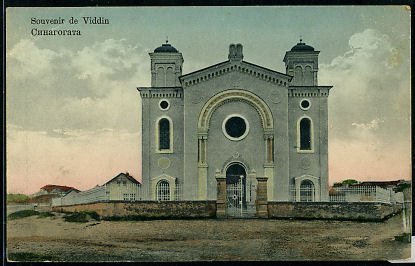
Jewish Synagogue
The Vidin Synagogue, near Baba Vida Fortress in Vidin's Kaleto district, is an exceptionally significant architectural site of historical importance. Erected in 1894 with support from local Jews and the donor Hadzhi Nayden Kalachev, it is a cultural monument of national significance. The town's original synagogue was destroyed during the War of Liberation of 1877–1878.
Vidin, 1894
Read moreKachulata Sanctuary
The megalithic sanctuary in the Kachulata locality, about 7 km north of Strelcha, occupies an isolated rocky summit with excellent exposure in all directions. A large spindle-shaped monolith rises at the highest point, attracting attention. The rock blocks in the locality bear traces of human activity, including two rock thrones with different orientations: one faces east and the other northeast.
Pazardzhik Province, 4th–2nd centuries BC
Read moreKakrina Inn
Kakrina Inn is a historic site in the village of Kakrina, Lovech Municipality, Bulgaria. It occupies an important place in the history of Vasil Levski and the Internal Revolutionary Organisation, as well as in the period of the liberation struggles. Vasil Levski stayed at the inn in Kakrina and was captured there by Turkish policemen on the morning of 27 December 1872.
Lovech Municipality, Kakrina village, 10 May 1931
Read more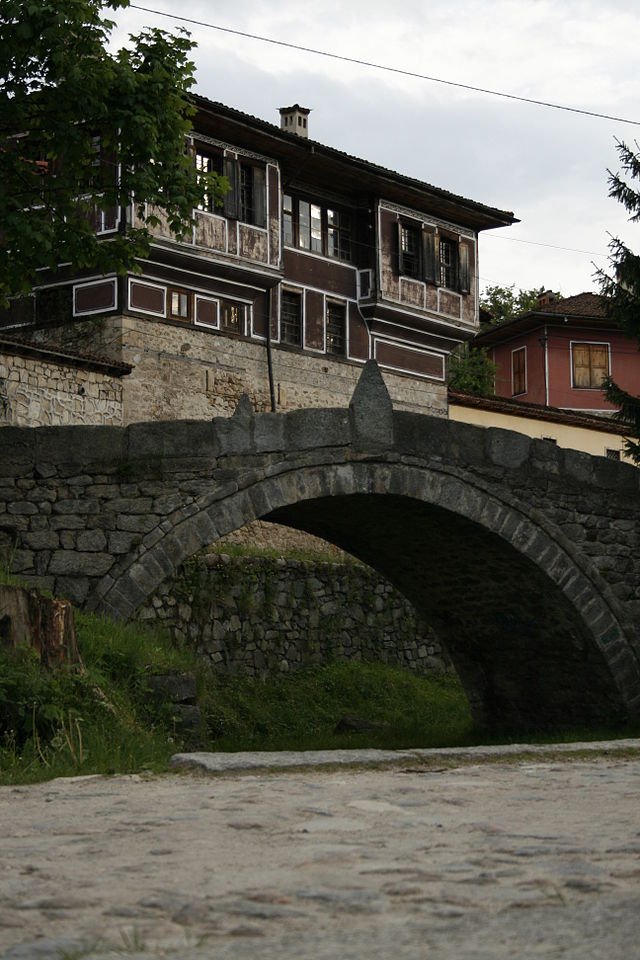
Kalachev Bridge
Kalachev Bridge is an old arched stone bridge in Koprivshtitsa connecting the banks of the Byala River. It was built in 1813 with financial support from Hadzhi Nayden Kalachev, whose name it bears. Inscriptions giving the construction year and donor's name are carved on two stone slabs rising on either side.
Koprivshtitsa, 1813
Read more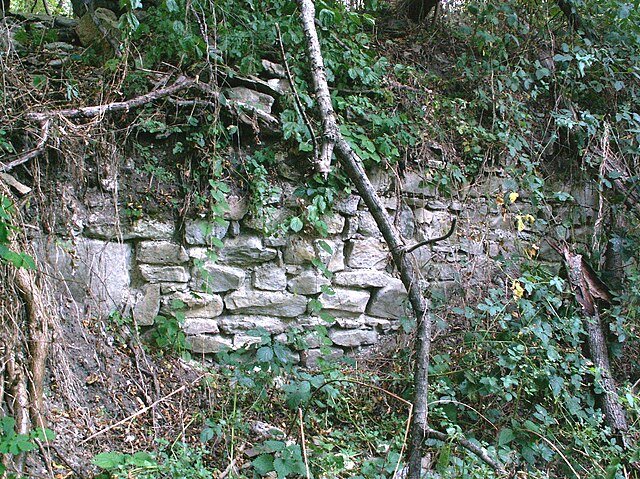
Kaleto
The Kaleto Archaeological Complex lies at the southwestern edge of Mezdra, on a high rocky ridge overhanging the left bank of the Iskar River. This complex is exceptionally important to Bulgarian history because it contains traces of the entire span of human history from the Chalcolithic to the Middle Ages. Remains of two fortified settlements have been discovered on the hill occupied by Kaleto, dating from the end of the Chalcolithic, in the fifth millennium BC, and the transition to the Bronze Age, in the fourth millennium BC.
Mezdra, Vratsa Province, No information
Read more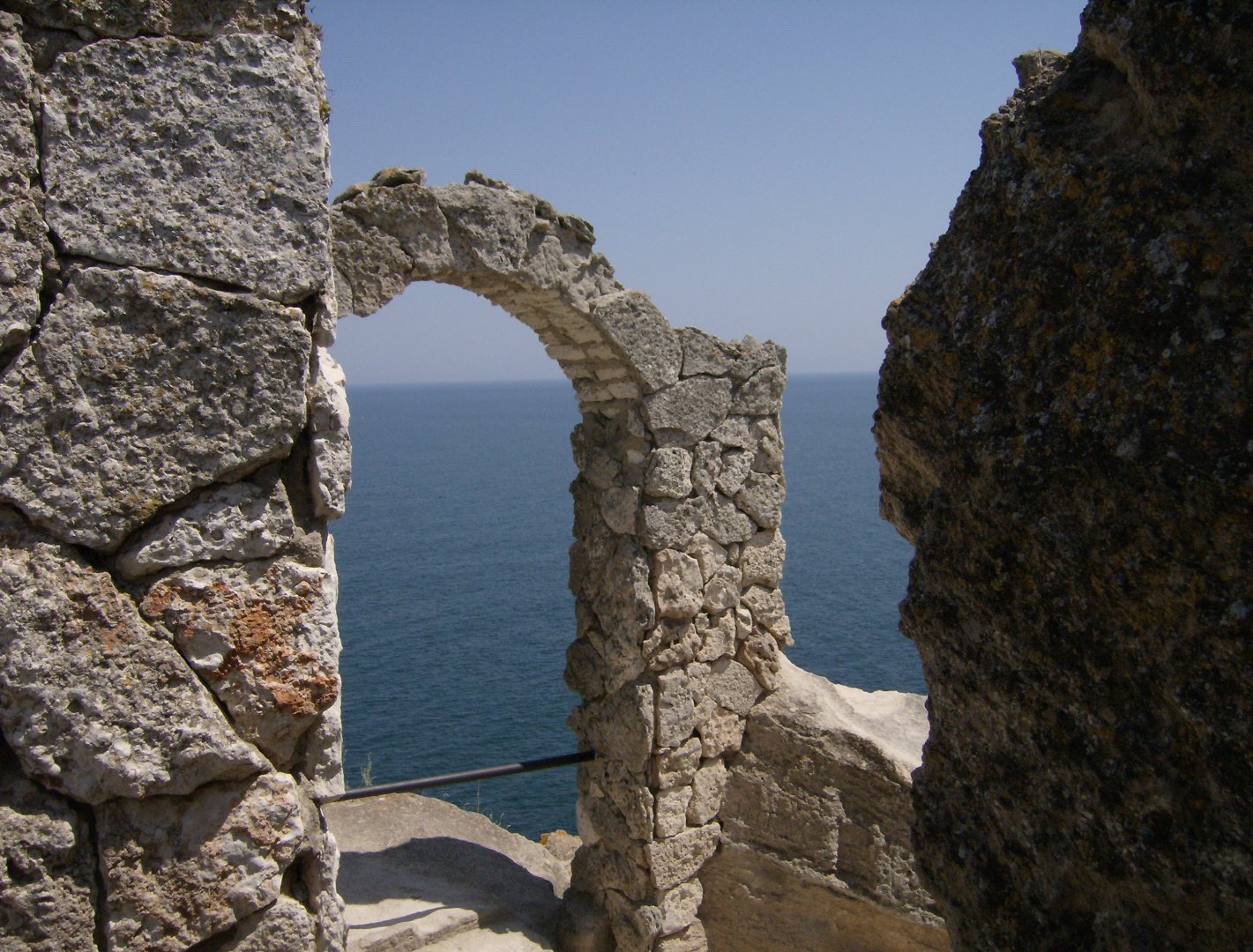
Kaliakra medieval fortress
The medieval fortress of Kaliakra stands on Cape Kaliakra. The medieval town’s rise dates to the 14th century, when Kaliakra became the centre of the Despotate of Dobruja. The fortress occupies a naturally defended rocky cape.
North-eastern Bulgaria, 14th century
Read moreKamaka Fortress in Oryahovo
Kamaka is the modern name of a medieval and Ottoman fortress built in the ninth century as part of the Danube defensive system of the First Bulgarian Empire. Its excavated structures, including the square two-storey tower, defensive wall and entrance, provide important information about medieval builders' architecture and engineering skills. The discoveries also support the study of life and customs in the settlement during different periods.
Oryahovo Municipality, Ninth–eleventh and twelfth–fourteenth centuries
Read moreKaranovo Settlement Mound
The Karanovo settlement mound is a major archaeological site with rich historical finds spanning the Neolithic, Chalcolithic and Bronze Age. The foundations of dwellings and numerous artefacts provide valuable information about the life, economy and culture of the region's prehistoric population. The significance of the Karanovo settlement mound and its associated Karanovo chronological system lies in their contribution not only to understanding the history of southern Bulgaria, but also to placing prehistoric developments in the broader context of Central and Southeastern Europe, western Asia Minor and the eastern Mediterranean.
Sliven Province, 7th–1st millennia BC
Read more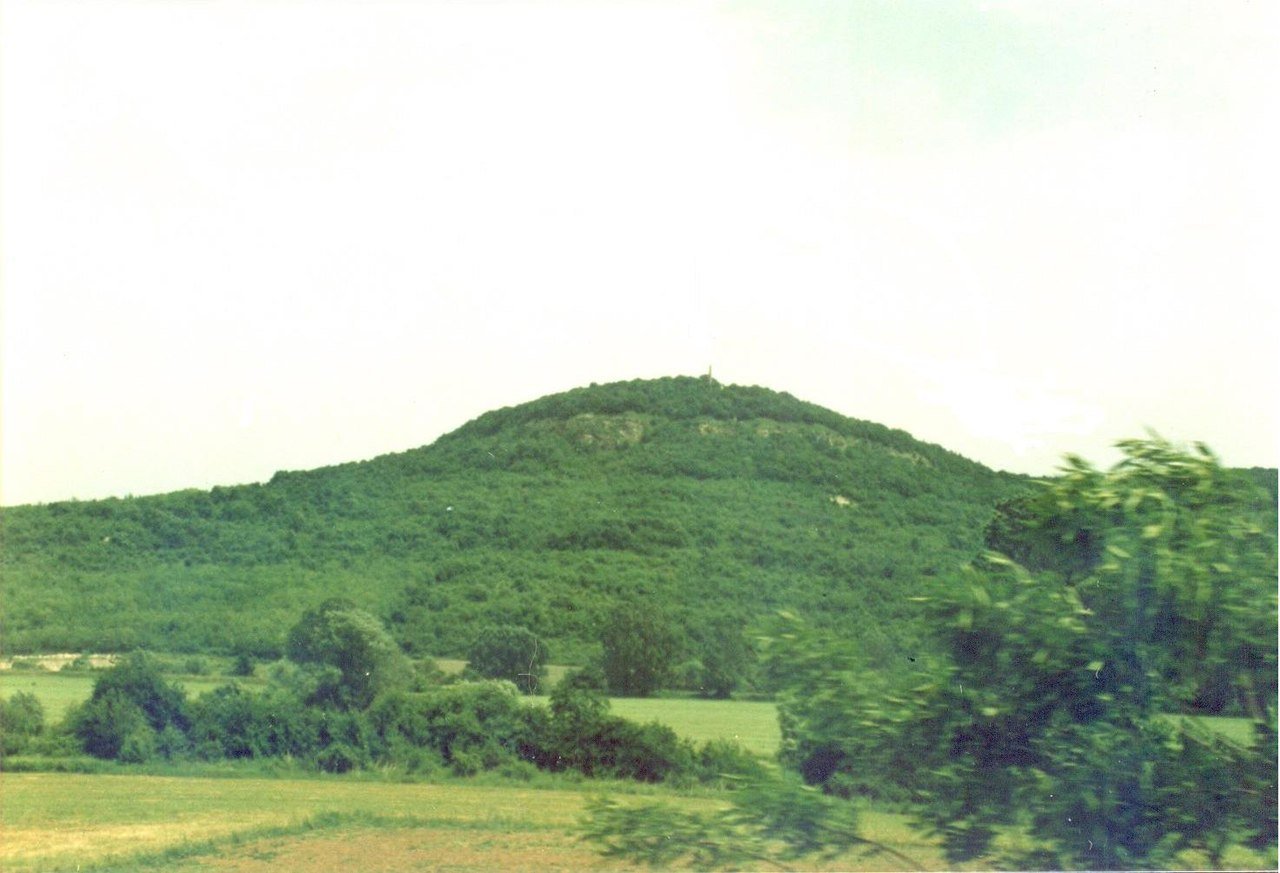
Kerchan Bair Locality
Kerchan Bair is the historic locality where Tanyo Voivode's detachment fought its final battle. The detachment crossed the Danube at Tutrakan on 16 May 1876, alongside Hristo Botev's detachment, which crossed at Kozloduy. Pursued by a Turkish search party, the men reached the fateful place, and the voivode was killed in hand-to-hand fighting.
Targovishte Province, near Popovo, 1876
Read more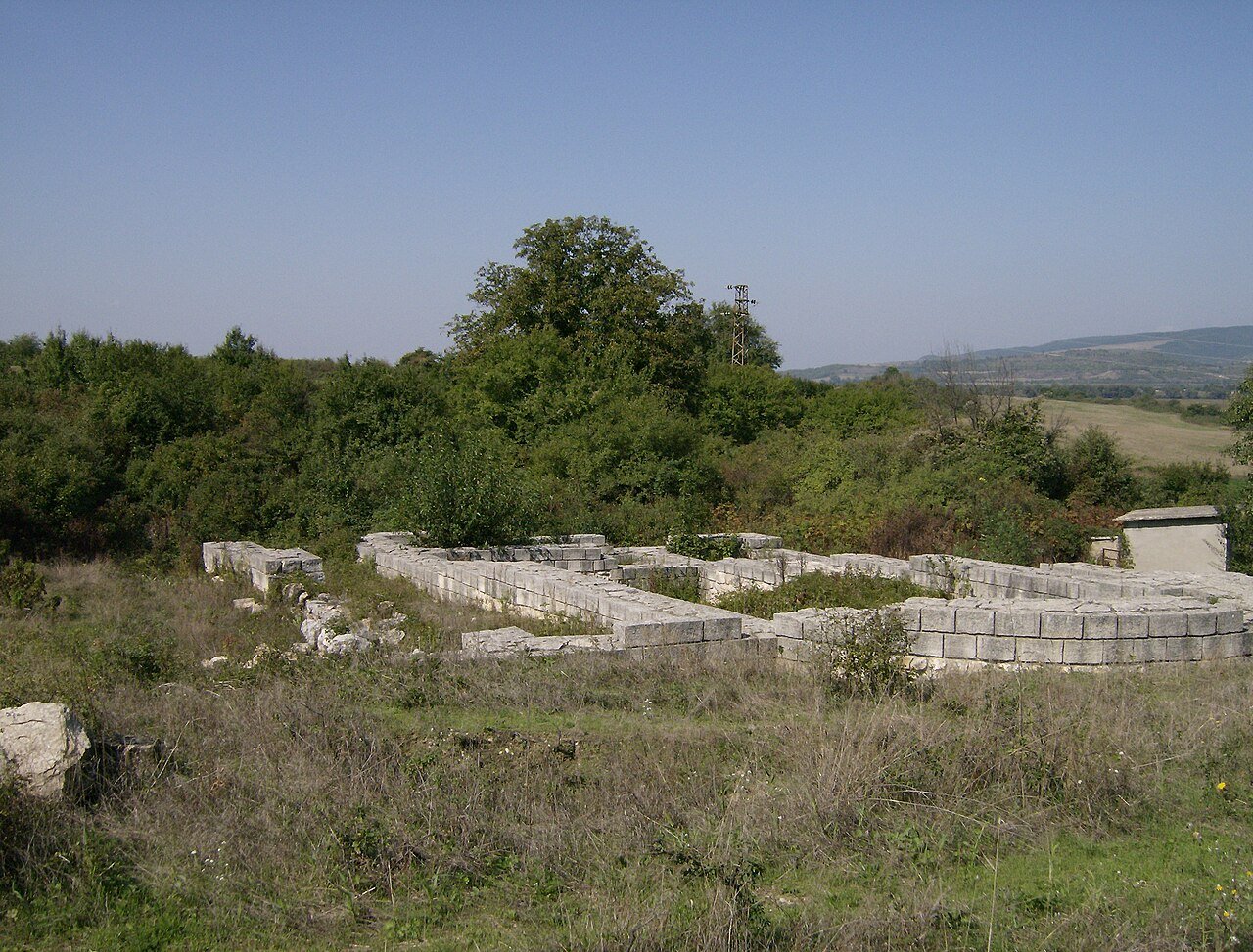
Khan Omurtag's Aul
Khan Omurtag's Aul, also known as the Omurtag Aul, is a military fortification or fortified palace built in 822 during Khan Omurtag's reign. Part of the Pliska–Preslav culture, it is associated with the khan's own building activities. It is thought that the aul may be identified with the palace mentioned in the Chatalar Inscription.
Shumen Province, Fifth–ninth century
Read more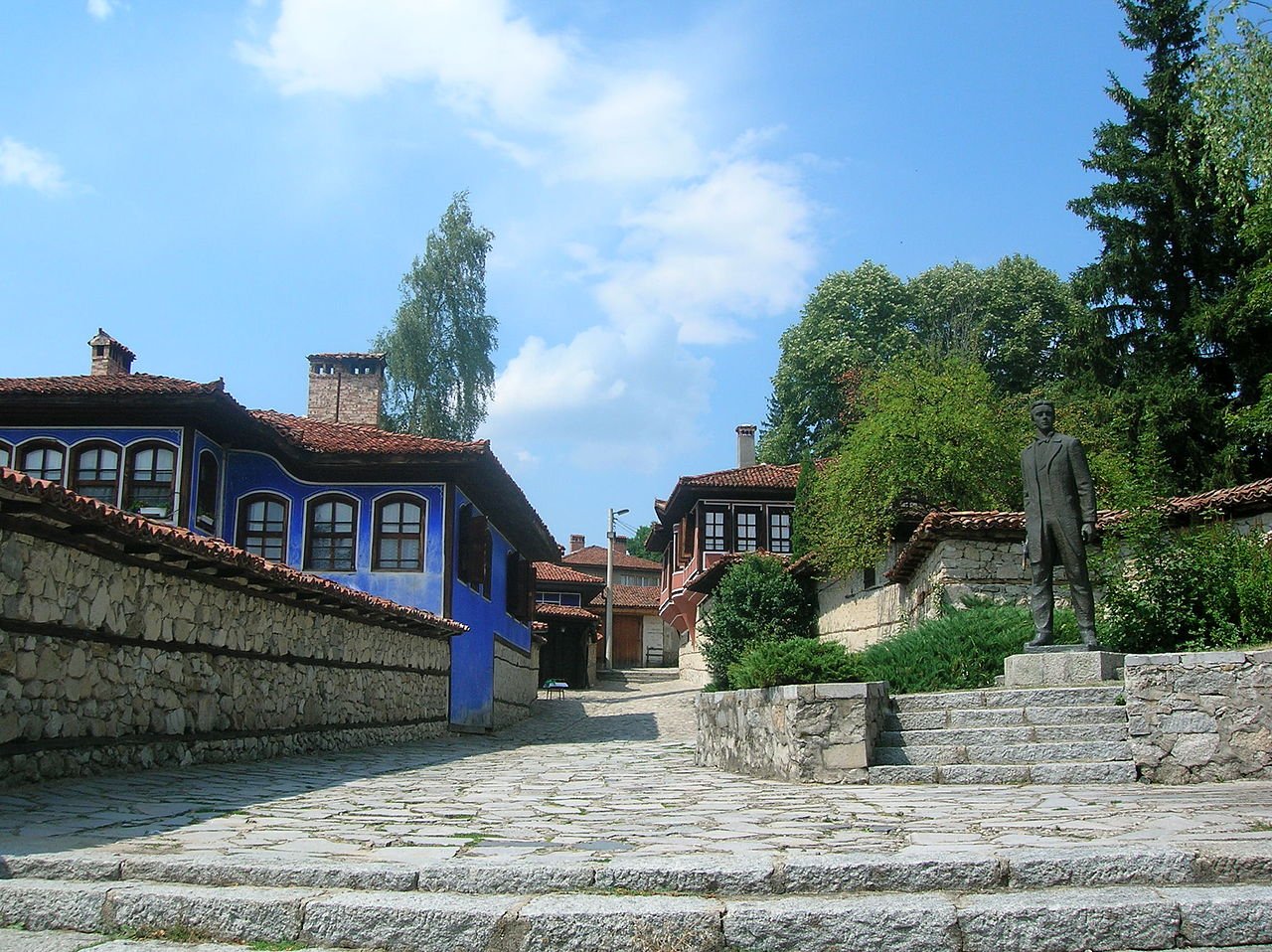
Koprivshtitsa
Koprivshtitsa, in western Bulgaria's Sofia Province, is an important historic site that played a significant role during the Bulgarian National Revival. Its unique history and status as the centre of Koprivshtitsa Municipality make it an integral part of the country's cultural heritage. The town is also known as the "Rebellious Capital of the Bulgarian National Revival", underlining its importance to national history.
Sofia Province, Koprivshtitsa, Around 1525
Read more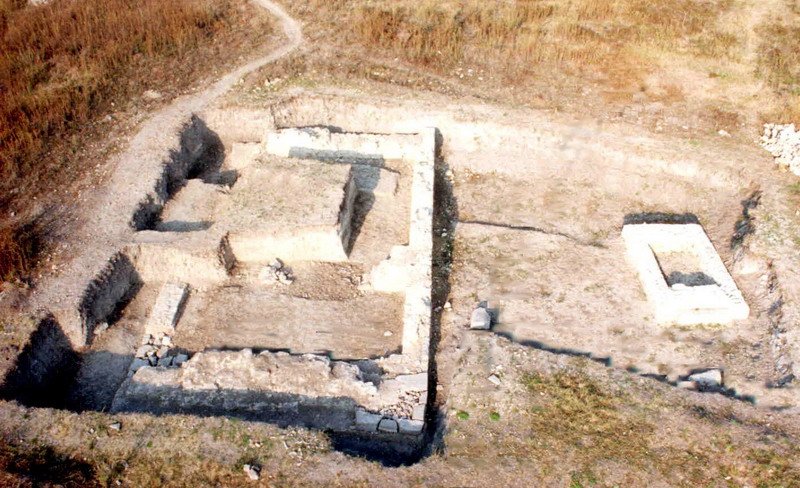
Kovachevsko Kale
Kovachevsko Kale is a Late Roman fortress 6 km west of Popovo, near the modern Popovo–Byala road. Discovered and studied by the Czech archaeologist Karel Škorpil, it was initially named Kovachoveshko Kale after the nearby village of Kovachevets. It lies in a flat valley formed where the Kovachevska River flows into its northwestern tributary, the Chepez Dere.
Targovishte Province, near Popovo, Fourth century
Read moreKovil Prehistoric Complex
The Kovil prehistoric rock cult complex lies between the villages of Kovil, Dzhanka and Baratsi, between tributaries of the Krumovitsa and Dyushun Dere rivers. This complex is larger than other well-known rock cult complexes such as Perperikon, Belintash and Harman Kaya. Its central part is thought to lie in the Belite Skali area, where there are nine sanctuaries, although the criteria for distinguishing them are unclear.
Kardzhali Province, 14th–12th centuries BC
Read moreKozarnika Cave
Kozarnika Cave, also known as Kozarska Cave or Zhivanina Dupka, lies in Bulgaria's western Balkan Mountains, in Dimovo Municipality, Vidin Province, and has a total length of 210 metres. Situated in the rocks 2.2 kilometres west-southwest of Gara Oreshets, beside the road to Belogradchik, it is an intriguing site of archaeological and geological value. Leaving the road, a steep path climbs approximately 250 metres to the cave entrance.
Vidin Province, 1984
Read more