Koprivshtitsa

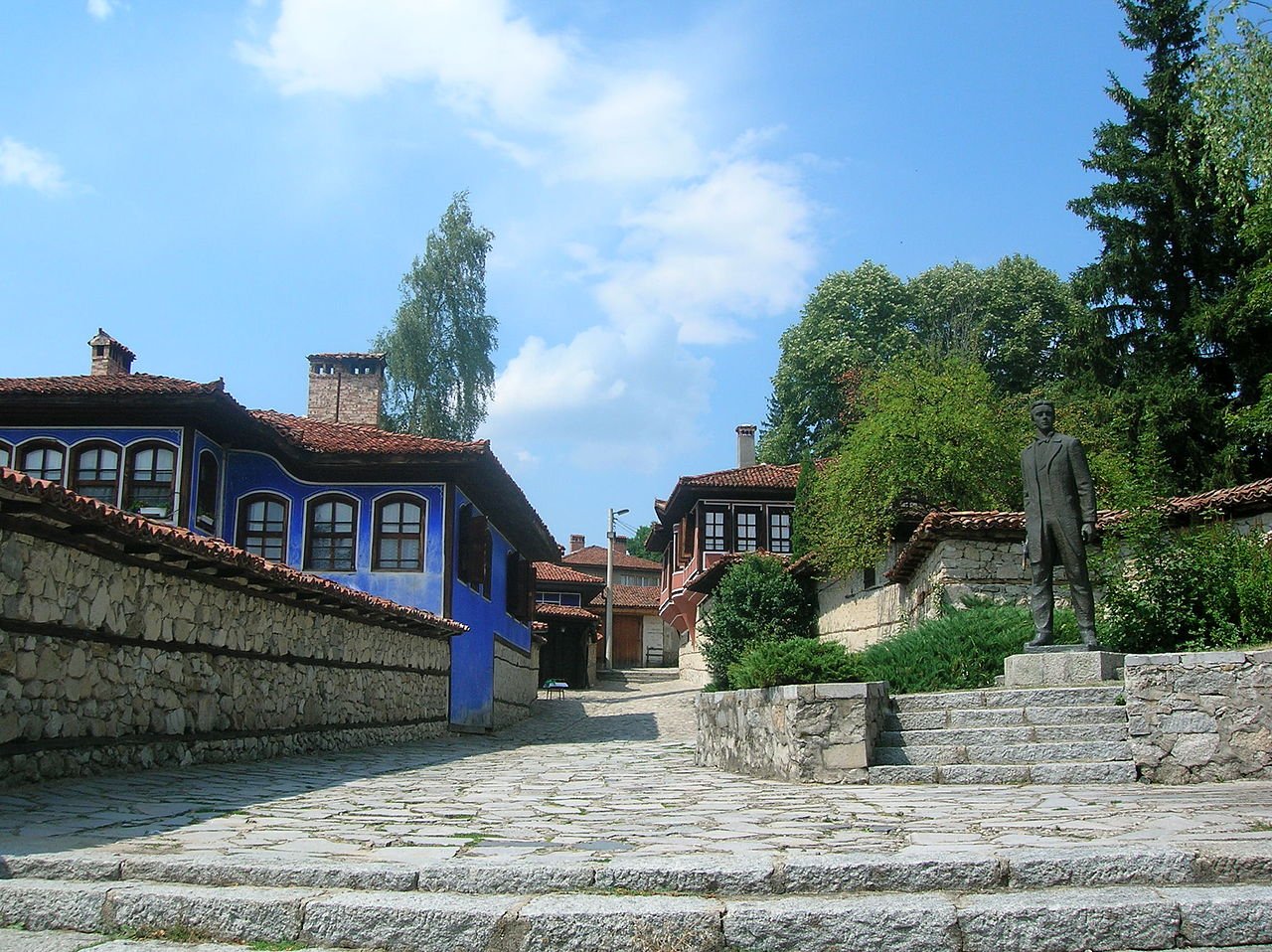
Koprivshtitsa
Koprivshtitsa, in western Bulgaria's Sofia Province, is an important historic site that played a significant role during the Bulgarian National Revival. Its unique history and status as the centre of Koprivshtitsa Municipality make it an integral part of the country's cultural heritage.
The town is also known as the "Rebellious Capital of the Bulgarian National Revival", underlining its importance to national history. Its official anthem, "You Are Beautiful, My Forest", with words by Lyuben Karavelov and music by Georgi Goranov, further emphasises the town's cultural and spiritual character.
Koprivshtitsa's historical development is reflected in the legend of the noblewoman from Rila and in Ottoman documents. In 1525 the locality of Avret Alan was mentioned in an Ottoman waqf register, and by 1614 it was an established waqf village with a substantial number of Christian households.
Koprivshtitsa enjoyed historical privileges associated with its military status. Turks were forbidden to pass through the town on horseback, while residents could wear colourful clothes and tall fur hats and use good weapons. These privileges attest to Koprivshtitsa's special status under Ottoman rule.
The town's wealth attracted kardzhali raiders, who looted and burnt it at various times. Despite these hardships, its inhabitants strove to preserve the town's magic and charm. In 1876 the town witnessed the April Uprising, with fighters from Koprivshtitsa playing an important role in the liberation movement. The town was attacked and plundered, but the determination and patriotism of its inhabitants enabled them to revive it and preserve its historical value.
Through its rich historical experiences and cultural heritage, Koprivshtitsa holds a special place in Bulgarian hearts, living testimony to strength of spirit and the hardships endured in the name of freedom and the national ideal.
General Dimitar Katsarov's research, presented in his work "Преминаването на русите през Средна гора и освобождението на Копривщица" (The Russians' Crossing of Sredna Gora and the Liberation of Koprivshtitsa), plays a significant role in recording the historical events surrounding the town's liberation in 1877–1878. This period of Bulgarian history was marked by military operations and the town's liberation from Ottoman rule.
Koprivshtitsa's commemorative role in the liberation events is explained by its strategic position away from the main roads and strategically fortified centres. This allowed it to witness liberation without bloody engagements or mass battles. The war correspondents General Viktor Dandeville and Colonel Dmitry Komarovsky describe General Gurko's army's advance and operations to join General Katsarov's Etropole Detachment after overcoming Turkish resistance.
The winter crossing of the Zlatitsa Pass and the liberation of the settlement of Lazhene were among the military operations leading to Koprivshtitsa's liberation. Colonel Bolesław Kobordo's units occupied the town on 29 December 1877, inspiring emotional exhilaration and joy among the local population. Koprivshtitsa witnessed these historic events, and with the arrival of Russian troops and the announcement calling on the townspeople to elect a municipal administration, it entered a new phase in its history. The monument in the Dzhafaritsa locality and commemorative celebrations honour the fallen and express gratitude to those who helped liberate the town. Through these events, Koprivshtitsa thus became both a witness to history and a participant in it, giving the Bulgarian people the opportunity to write new pages in their history.
Sofia Province, Koprivshtitsa, Around 1525
Share:


