Kaleto

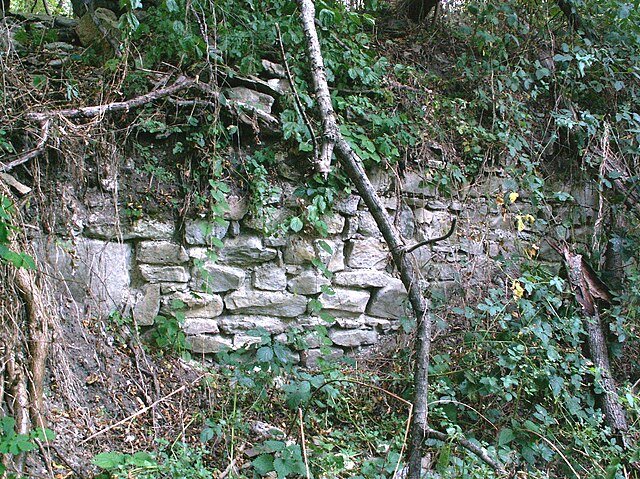
Kaleto
The Kaleto Archaeological Complex lies at the southwestern edge of Mezdra, on a high rocky ridge overhanging the left bank of the Iskar River. This complex is exceptionally important to Bulgarian history because it contains traces of the entire span of human history from the Chalcolithic to the Middle Ages.
Remains of two fortified settlements have been discovered on the hill occupied by Kaleto, dating from the end of the Chalcolithic, in the fifth millennium BC, and the transition to the Bronze Age, in the fourth millennium BC. Both settlements were destroyed by devastating fires. During the Chalcolithic, Kaleto flourished as a centre of craftsmanship. Among its most significant discoveries is the sanctuary of the aurochs, which has no parallel in Bulgaria. The aurochs was a pagan deity represented as a wild bovine supporting the world on its horns.
During the Middle Ages Kaleto continued to have historical significance. A Roman fortification of the second century, a pagan religious centre of the third century and a fortified settlement of the fourth–sixth century have been identified here. Finds include bronze coins, fibulae, ornaments, a torc and other artefacts. There is also a cast bronze eagle, one of the earliest depictions of this bird, the emblem of the Roman Empire. Restoration and conservation work has been carried out, including reconstruction of the technical infrastructure and the creation of exhibition routes.
Kaleto is included among Bulgaria's Hundred National Tourist Sites and has been declared a national cultural monument. It gives visitors the opportunity to encounter the site's rich history through archaeological finds and displays. The complex is open throughout the year and offers a rewarding experience for enthusiasts of history and archaeology.
Mezdra, Vratsa Province, No information
Share:


