Historic sites

181 results
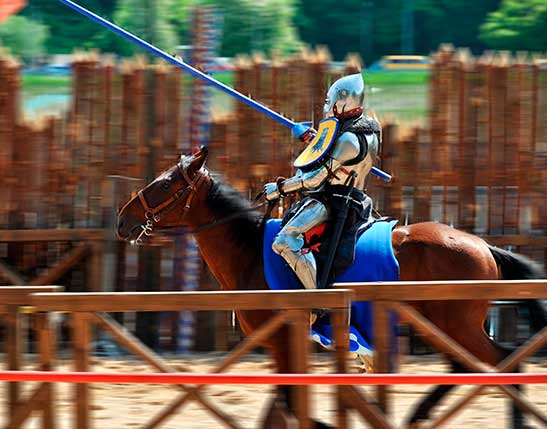
Bozhenishki Urvich
Bozhenishki Urvich is a medieval stone fortification, now an archaeological monument with the status of a site of national significance. The history of this old fortified settlement began to emerge in 1918, when a medieval rock inscription by Sebastos Ognyan was discovered among the roots of a fallen centuries-old tree. Archaeological investigations carried out in 1972 showed that the site had been inhabited since prehistoric times, but that its earliest fortifications dated from the 5th–6th centuries, as part of the early Byzantine defensive system.
Bozhenitsa village, Botevgrad region, 13th–14th centuries
Read more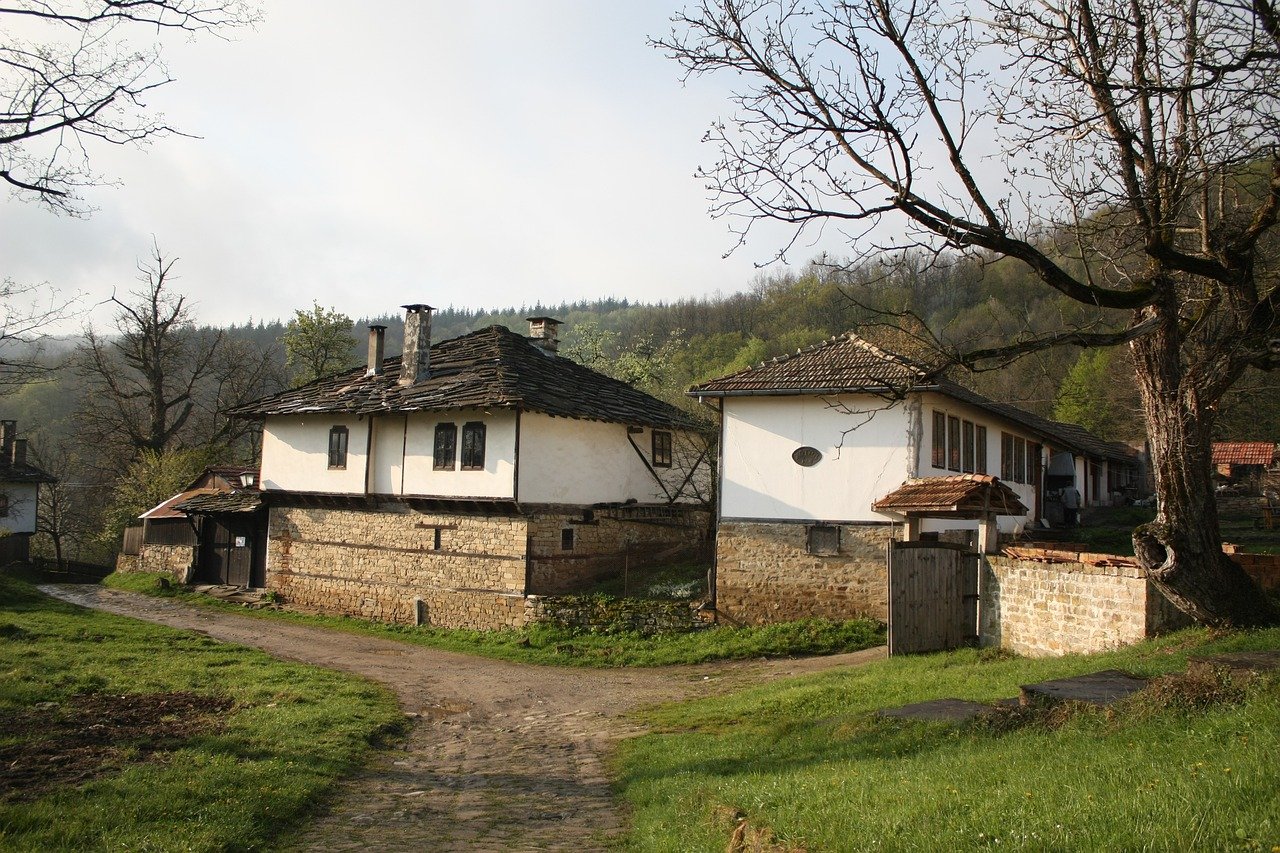
Bozhentsi
The village of Bozhentsi plays a key role as a Bulgarian historic site. In 1964 it was officially declared an architectural and historical reserve. This prestigious status underlines its importance as a representative of the national cultural heritage and a guardian of architecture and traditions from the Bulgarian National Revival.
Gabrovo Municipality, Bozhentsi village, 1393
Read more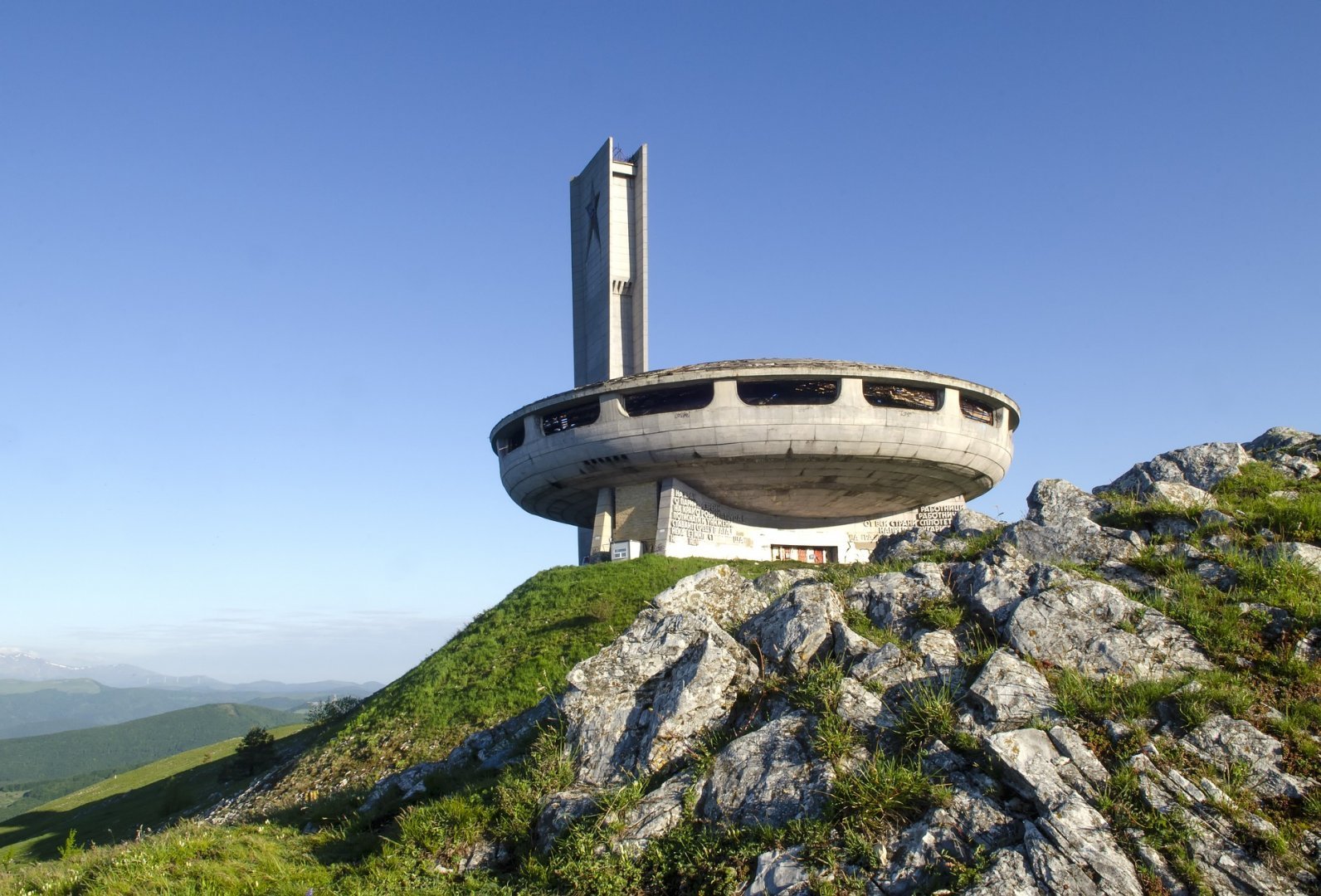
Buzludzha Monument
The Buzludzha Monument, known as the Memorial House of the Bulgarian Communist Party, is Bulgaria's largest communist monument, built in 1981 in honour of the Buzludzha Congress of 1891. With its massive five-pointed star illuminated by powerful lights, the monument is visible even from the Romanian bank of the Danube. Construction began in 1974, financed by donations totalling 14,186,000 leva.
Hadzhi Dimitar Peak, 1974–1981
Read moreBuzovo Kale
Buzovo Kale, or Buzova Fortress, is an Early Byzantine fortress on the northern slopes of Sarnena Sredna Gora, two kilometres southeast of Buzovgrad. It controls the Tundzha River valley and protects the Kazanlak Plain from attacks from the south. Situated at an elevation of 566 metres, it encloses seventeen decares and has an irregular quadrilateral plan.
Stara Zagora Province, Fourth–sixth century
Read more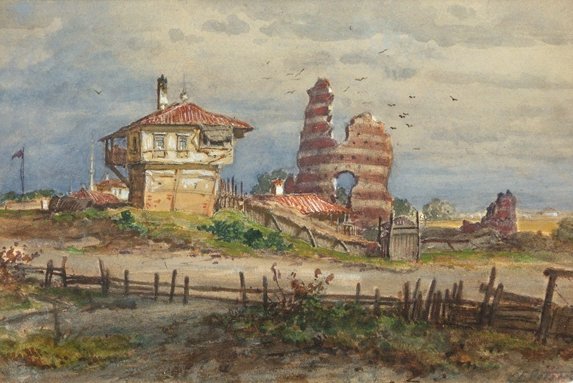
Castra Martis Fortress
Castra Martis, also known as the Fortress of Mars, is an important archaeological site in Kula, northwestern Bulgaria. Built in the Late Roman period, it formed part of the Roman Empire's restored Danube limes and was probably intended to protect the road from Bononia to Singidunum through Vrashka Chuka, the northwesternmost pass in the Balkan Mountains. The fortress combines several historical phases.
Northwestern Bulgaria, Kula, Third and fourth centuries
Read more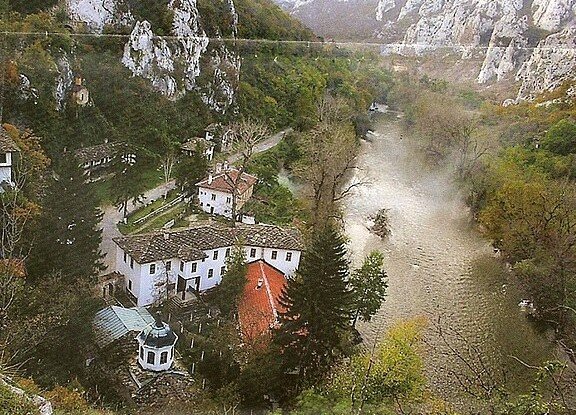
Cherepish Monastery
The Cherepish Monastery of the Dormition of the Mother of God is a historic Orthodox monastery near Cherepish railway station, in the Vratsa Diocese of the Bulgarian Orthodox Church. It was founded during the Second Bulgarian Empire, in the reign of Tsar Ivan Shishman (1371–1393), but was destroyed during the Ottoman invasion. The earliest evidence of its existence is its monastic rule, or typikon, written between 1390 and 1398 and kept in the Historical and Archaeological Museum in Sofia.
Iskar Gorge, 14th century
Read more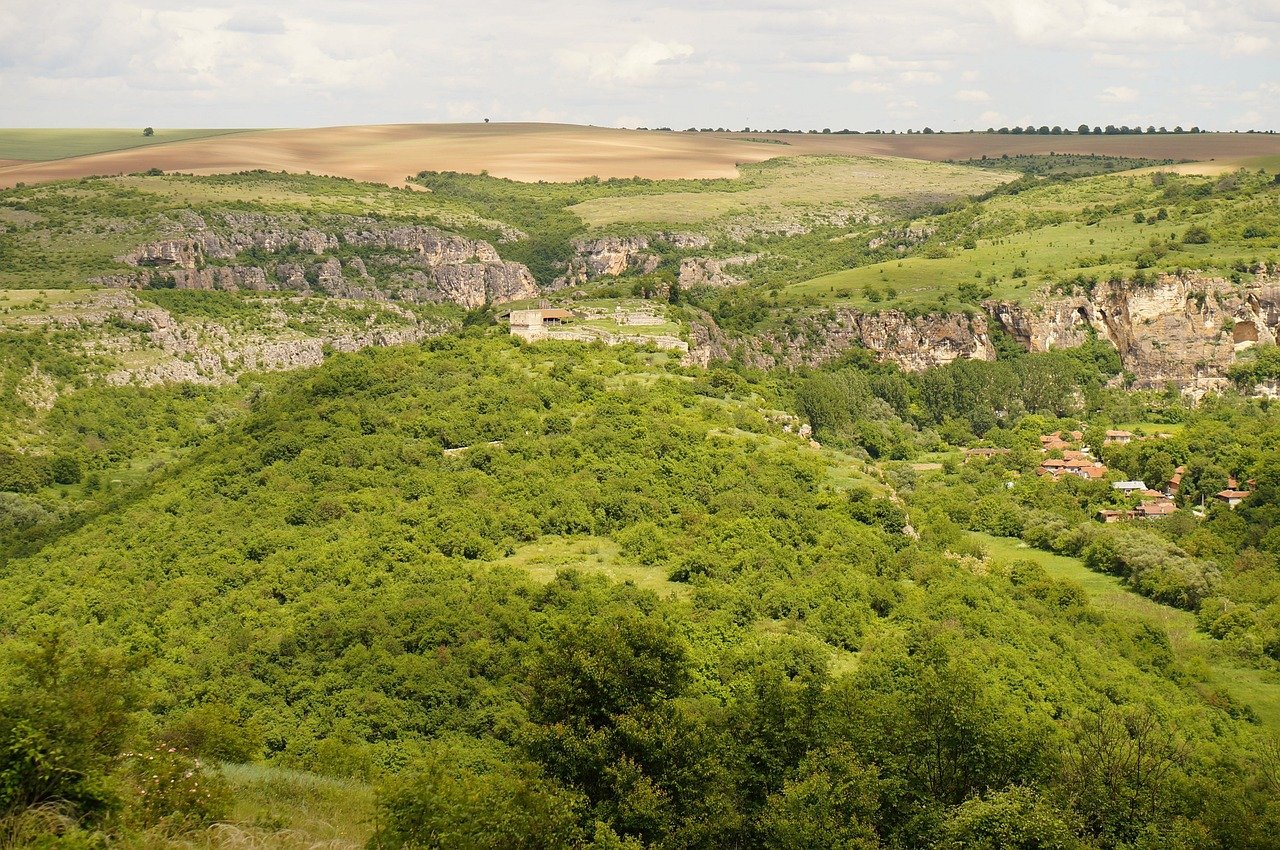
Cherven
Cherven Fortress lies beside the village of Cherven, 34 km south of Ruse. It was an important military and administrative centre during the Second Bulgarian Empire. It occupies an area naturally protected by sheer cliffs.
North-eastern Bulgaria, 12th century
Read more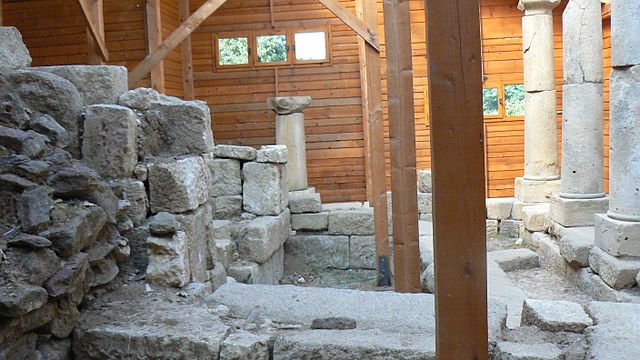
Chetinyova Mound
The Thracian tomb beneath Chetinyova Mound near the village of Starosel is the largest structure of its kind in Thrace and the surrounding region. It was built in the mid-fourth century BC for a Thracian ruler, probably a member of the family of Cotys I. It was excavated in 2000 by Georgi Kitov and is open to visitors.
Southern Bulgaria, 359 BC
Read moreCholakova Mound
Cholakova Mound, near the village of Staro Zhelezare, contains a megalithic structure of stone blocks arranged in a circle. The structure consists of 24 blocks forming a circle between 6.5 and 7 metres in diameter. The blocks are between 0.5 and 2 metres high and are made of friable, impermanent rock.
Near Hisarya, 12th–10th centuries BC
Read more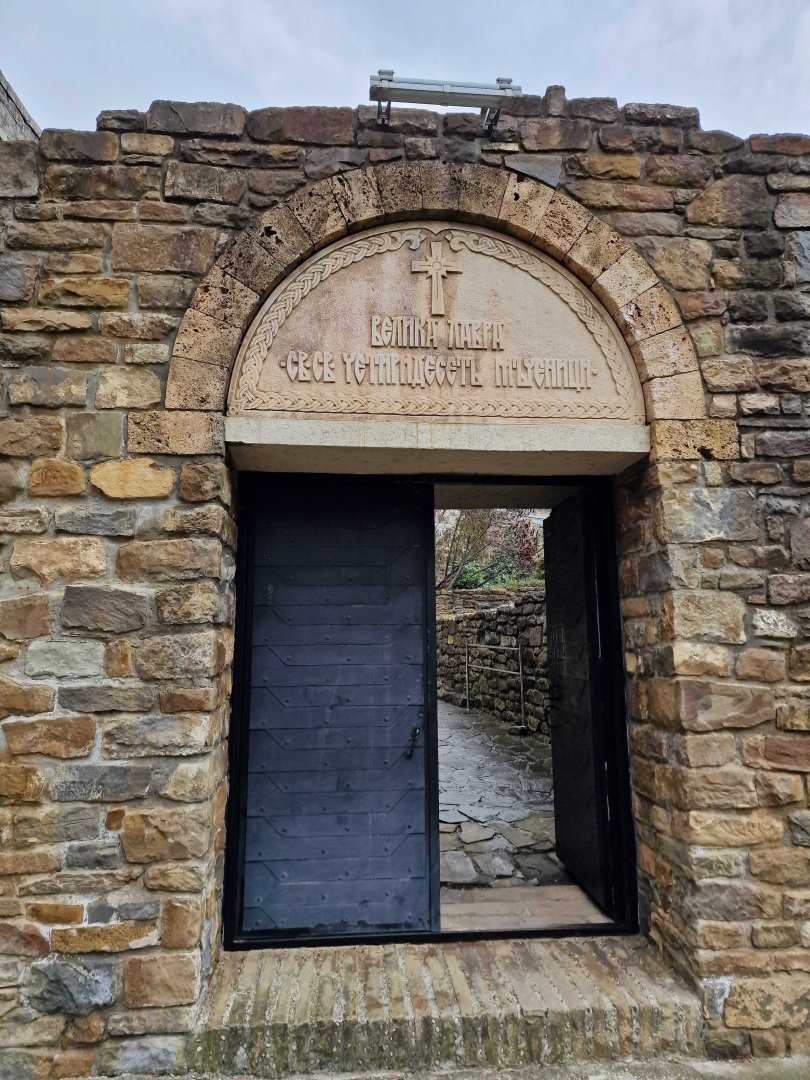
Church of the Holy Forty Martyrs
The Church of the Holy Forty Martyrs in Veliko Tarnovo is a historical and architectural monument of significance to Bulgaria. It was built and decorated with wall paintings during the reign of the Bulgarian tsar Ivan Asen II in the thirteenth century. Dedicated to the Holy Forty Martyrs, it is associated with the Bulgarian victory at the Battle of Klokotnitsa in 1230.
Veliko Tarnovo, 1230
Read more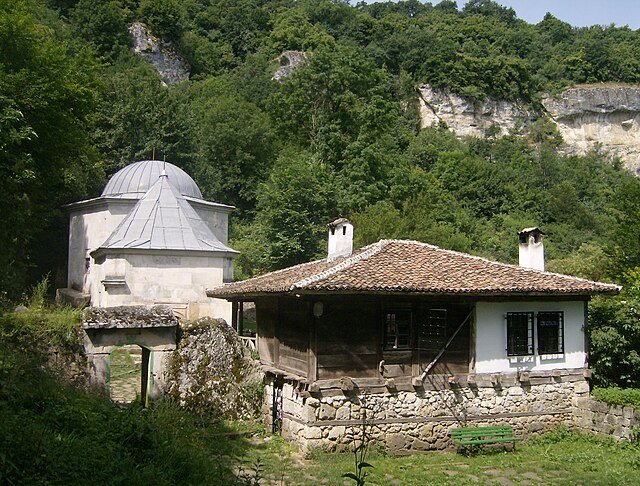
Demir Baba Tekke
Demir Baba Tekke is an Alevi sanctuary with a türbe, or mausoleum, near Sveshtari in Razgrad Province, northeastern Bulgaria. It lies in a bend of the Krapinets River canyon beside a powerful karst spring and forms part of the Sboryanovo Historical and Archaeological Reserve. The tekke was among Bulgaria's first national cultural monuments, officially designated in 1927.
Razgrad Province, near Sveshtari, 1612–1617
Read moreDeultum
Deultum, known by the same name in Latin, is a Roman settlement in Bulgaria, about 10 kilometres west of Burgas towards Sredets, within the lands of the present-day village of Debelt. The area containing the ancient ruins was declared an architectural and construction monument in 1965. The history of Deultum is connected with the foundation of the colony Flavia Pacis Deultensium in the 70s AD, during the reign of Emperor Vespasian.
Burgas Province, 1st century
Read more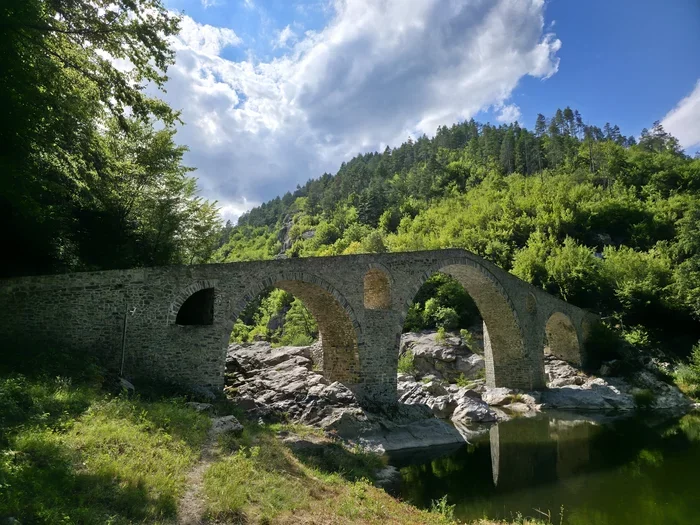
Devil's Bridge
Devil's Bridge—the majestic stone guardian of the Arda Hidden in the heart of the Eastern Rhodope Mountains, about 10 km from Ardino, lies one of Bulgaria's most mysterious and picturesque architectural treasures: Devil's Bridge. With its imposing stone arches reflected in the clear waters of the River Arda, this historic monument carries centuries of history, surrounded by legends, mysteries and unspoilt natural beauty. History The bridge was built in the early 16th century, between 1515 and 1518, on the orders of the Ottoman ruler Selim I.
Eastern Rhodope Mountains, about 10 km from Ardino, 16th century (1515–1518)
Read moreDineya Fortress
Dineya is a Roman fortress of Antiquity, Late Antiquity and the Middle Ages, situated about 23 km northeast of Shumen and north of the former Bulgarian capital Pliska. Its greatest flourishing came in the 3rd and 4th centuries, after which it gradually declined. It was built in response to increasingly frequent barbarian invasions from the north and formed one of the intermediate road stations between the fortresses of Abritus and Marcianopolis.
Shumen Province, 3rd century
Read moreDragoyna Peak
Dragoyna Peak is known as one of the northernmost ridges of the Rhodope Mountains, situated between Dragoynovo and Bukovo. A Thracian sanctuary lies on the summit, the subject of scholarly investigation in recent years but still relatively unknown to the general public. Archaeological expeditions from the Plovdiv Museum conducted the first investigations in 2004–2006.
Golyama Dragoyna Peak, Eighteenth–third century BC
Read moreDrastar Fortress
Drastar is a medieval fortress on the site of present-day Silistra. Built on the foundations of ancient Durostorum, the town has a rich history and played an important role in Bulgaria's medieval past. It became the centre of a comitatus in the ninth century and a seat of the Bulgarian Orthodox Church after the Bulgarians' conversion to Christianity.
Silistra, No information
Read more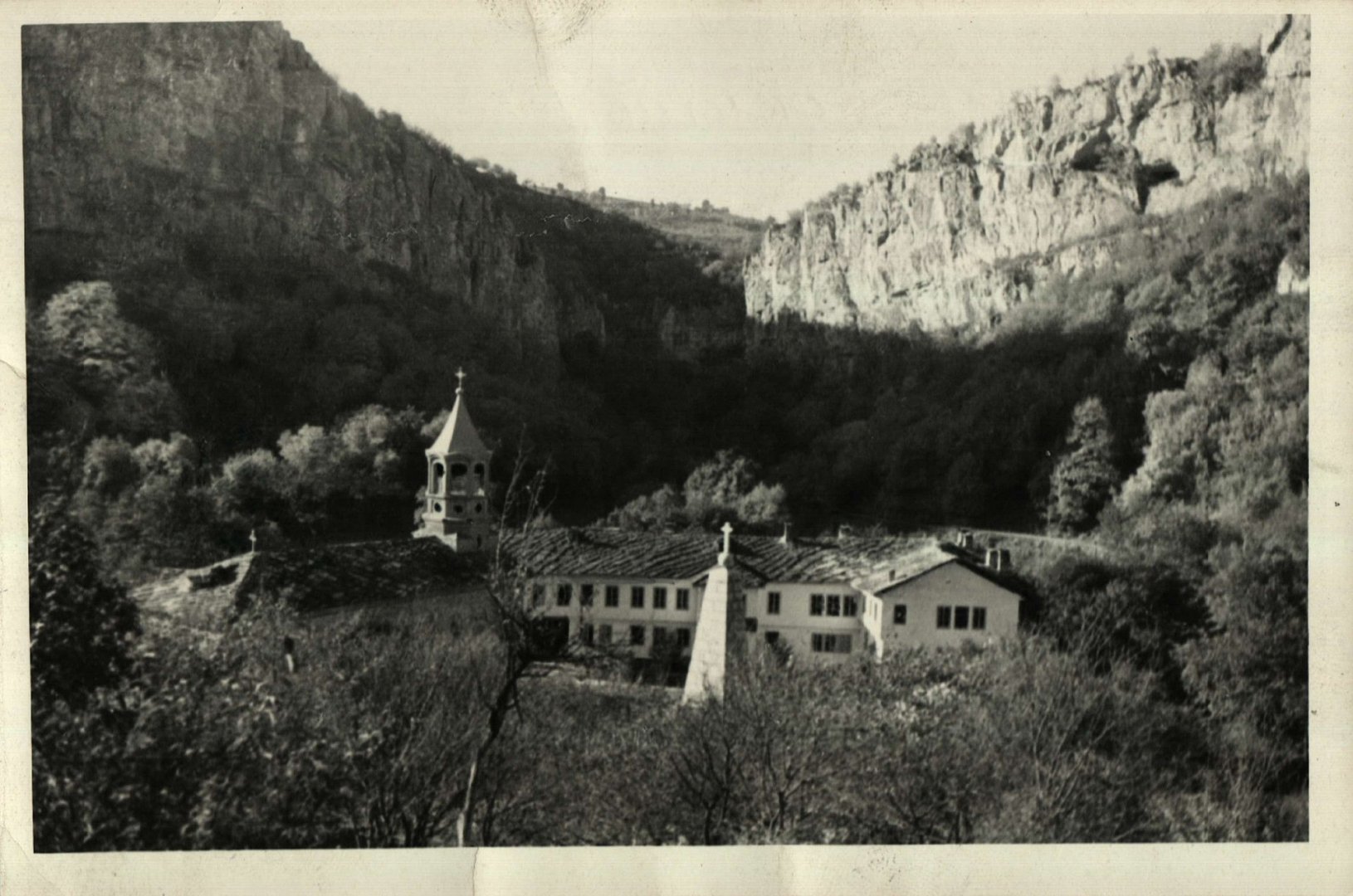
Dryanovo Monastery
The Dryanovo Monastery of St Michael the Archangel is an active Bulgarian monastery for men in northern Bulgaria. It has a long history connected with ancient settlements inhabited in early prehistoric times. Archaeological finds from Bacho Kiro Cave date from the Middle and Late Palaeolithic, 100,000–10,000 BC, and include more than 6,000 artefacts.
Northern Bulgaria, Dryanovo, Thirteenth century
Read moreDupnitsa Fortress
Dupnitsa Fortress, also known as the Tower, is a fortress of Late Antiquity and the Middle Ages near Dupnitsa, built in the 5th–4th centuries BC. It stands 850 metres east of the town centre in a straight line, on a natural elevation on the right bank of the River Dzherman in the Tsifunyo area. The defensive wall, built of rubble stone bonded with white mortar and courses of brick, encloses an area of 5–6 decares.
Near Dupnitsa, 5th–4th centuries BC
Read moreDurankulak Necropolis
The Neolithic and Chalcolithic necropolis at Durankulak is one of southeastern Europe's largest, with 1,200 graves excavated. Situated in Dobruja, this archaeological site is an important source of information about the burial practices, rituals and social structures of the region's prehistoric societies. The necropolis encompasses several periods: the Late Neolithic Hamangia I–II culture, the Early Chalcolithic Hamangia III–IV culture, the Late Chalcolithic Varna culture, the transition from the Chalcolithic to the Early Bronze Age, and ancient and medieval periods.
Dobrich Province, 4750 BC–second century BC
Read moreElenska Basilica
The Elenska Monastery of St Elijah consists of the ruins of a fortified monastic complex destroyed by the Turks, with an imposing Early Christian basilica and fortress. The historic site comprises the church, monastic buildings and surrounding defensive walls with four corner towers. An active cultural and religious centre during the Second Bulgarian Empire, the monastery was destroyed around 1700 by Turkish conquerors.
Western Bulgaria, Pirdop, Fourth century
Read moreEpiscopal Basilica of Sandanski
In 1989, during rescue excavations, Vladimir Petkov discovered the Episcopal Basilica. Besides the basilica itself, the complex revealed a baptistery, an inner courtyard or atrium, and buildings associated with ecclesiastical life and rituals in Early Christianity during the fifth–sixth century. At the complex's heart is a classical three-aisled basilica, impressive for its monumental scale, interior architecture and lavish floor mosaics and wall paintings.
Sandanski, Fourth–sixth century
Read more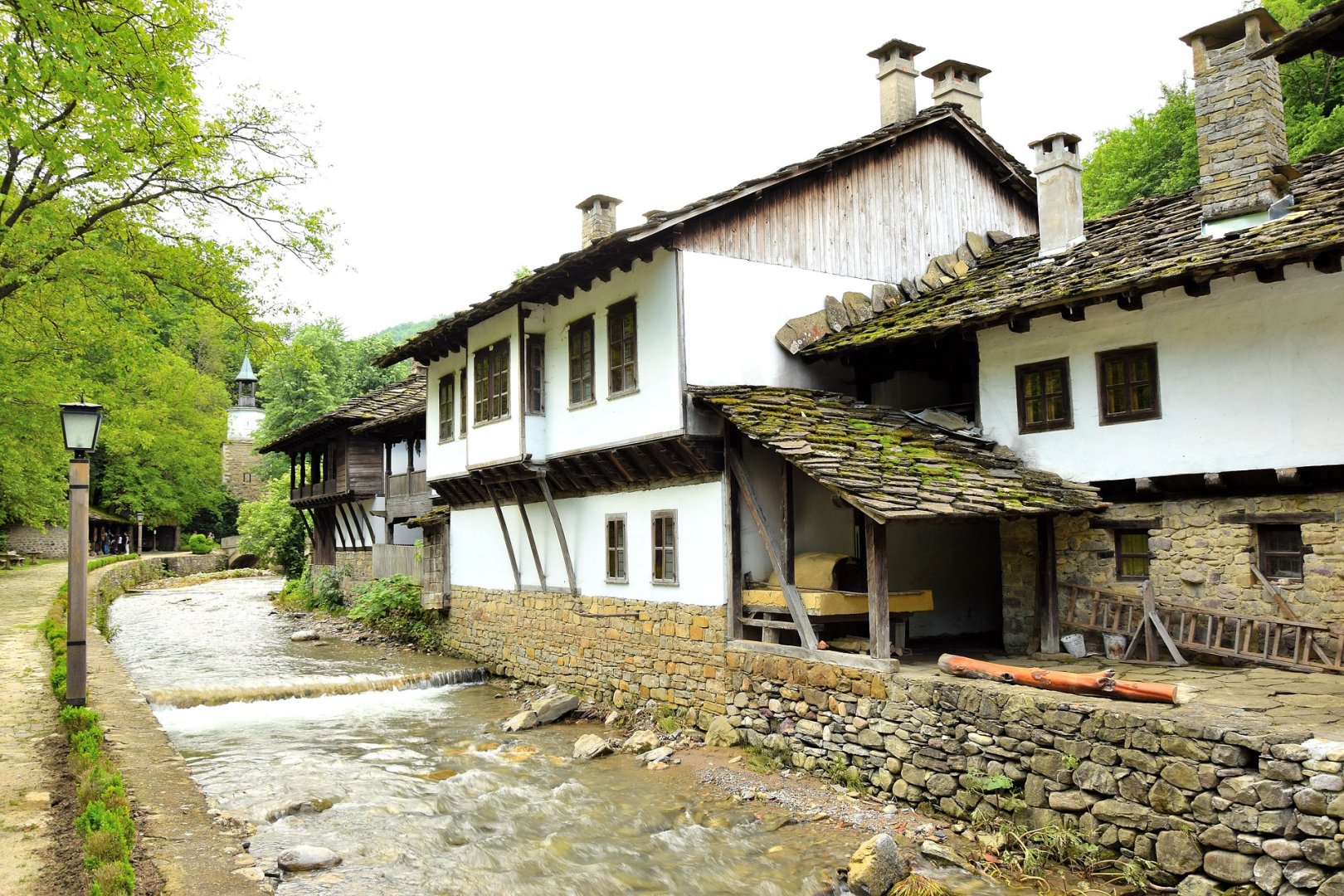
Etar
The Etar Regional Ethnographic Open-Air Museum is a unique museum in Gabrovo's Etara district. A living reconstruction of Bulgarian customs, culture and craftsmanship, it is the first museum of its kind in Bulgaria. It opened on 7 September 1964 and lies eight kilometres south of central Gabrovo.
Gabrovo, 1964
Read moreFortress at Cape St Athanasius
The site at Cape St Athanasius is a multilayered archaeological complex containing remains and artefacts from different historical periods. The earliest finds, including stone and copper axeheads, copper arrowheads and awls, date to the Late Chalcolithic, in the fifth millennium BC, or the Early Bronze Age, from the late fourth to the third millennium BC. In the southeastern part of the cape, 140 ritual pits, several sacrificial hearths and pottery fragments from Archaic Greece have been discovered.
Varna Province, Byala, No information
Read more
Founders of the Bulgarian State
The Founders of the Bulgarian State, also known as 1,300 Years of Bulgaria, is an architectural complex dedicated to the 1,300th anniversary of the foundation of the Bulgarian state. The monument stands in Shumen, high on the Shumen Plateau, at an altitude of 450 metres. It opened in November 1981.
Read more