Dryanovo Monastery

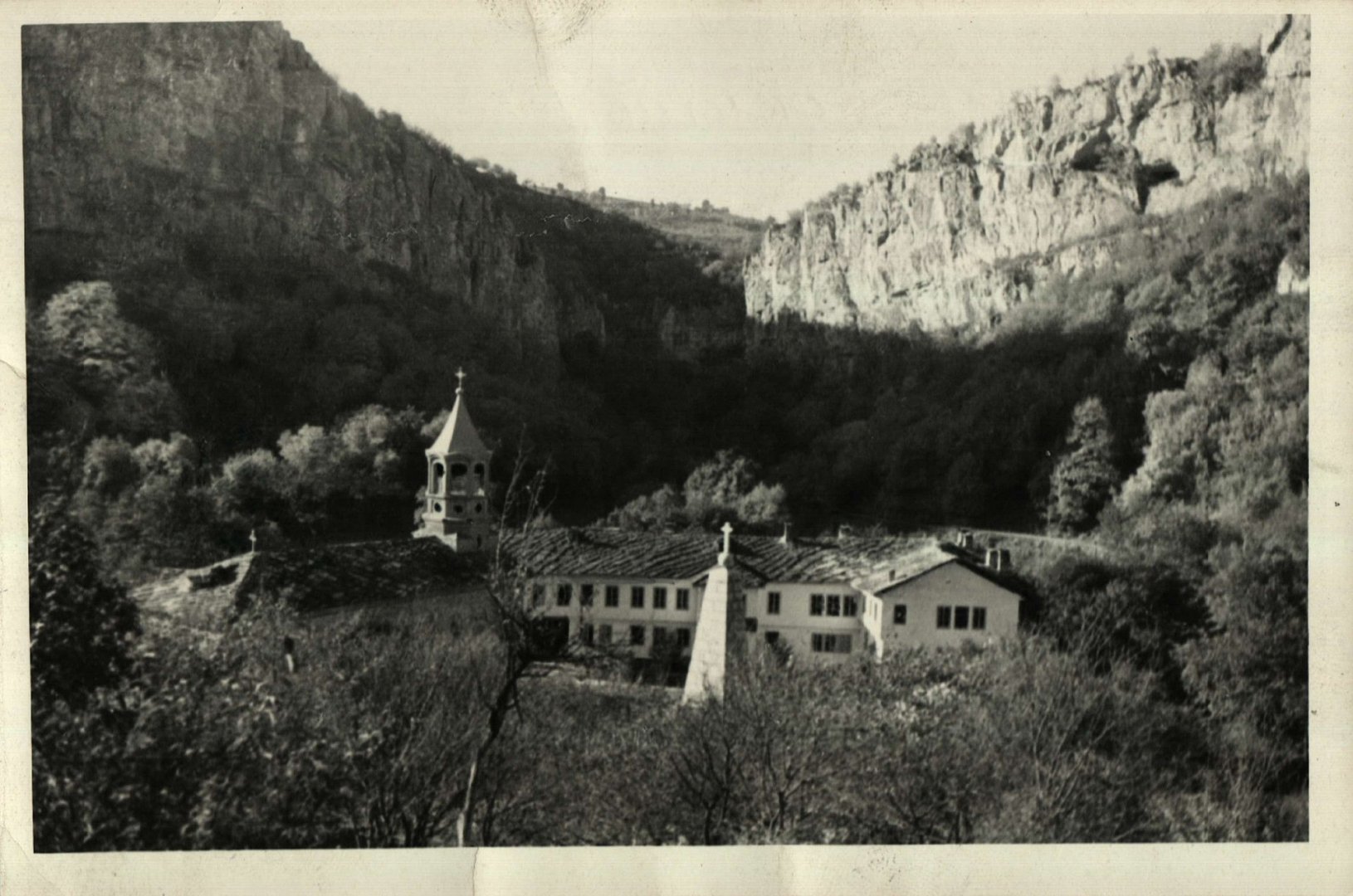
Dryanovo Monastery
The Dryanovo Monastery of St Michael the Archangel is an active Bulgarian monastery for men in northern Bulgaria. It has a long history connected with ancient settlements inhabited in early prehistoric times. Archaeological finds from Bacho Kiro Cave date from the Middle and Late Palaeolithic, 100,000–10,000 BC, and include more than 6,000 artefacts. During the Early Byzantine period, the strategic importance of the Fore-Balkan increased, leading to the construction of Roman fortresses near the Boruna and Grada rivers. In the Middle Ages, the Monastery of St Michael the Archangel was founded during Tsar Kaloyan's reign, around 1206. It was a centre of Bulgarian education and culture during the five centuries of Ottoman rule. Revolutionaries such as Vasil Levski and Father Matey Preobrazhenski, known as Mitkaloto, found refuge there. During the April Uprising of 1876, the monastery played an important role as a store for food and weapons. Father Hariton's detachment, the first insurgent force in the Tarnovo District and Bulgaria, entered the monastery on 29 April 1876. Surrounded by the Turks, its members fought a nine-day battle, and most died for Bulgaria's freedom. The monastery was destroyed and burnt down but was rebuilt and consecrated in 1877. Its main church was solemnly consecrated on 3 April 1877 by Abbot Pahomiy Stoyanov, who conducted the first memorial service for the fallen detachment members.
Today Dryanovo Monastery is one of the Bulgarian Orthodox Church's ten most revered holy sites and is a national historical monument. Its rich history and architectural appearance attract tourists.
Northern Bulgaria, Dryanovo, Thirteenth century
Share:


