Bozhentsi

Bozhentsi
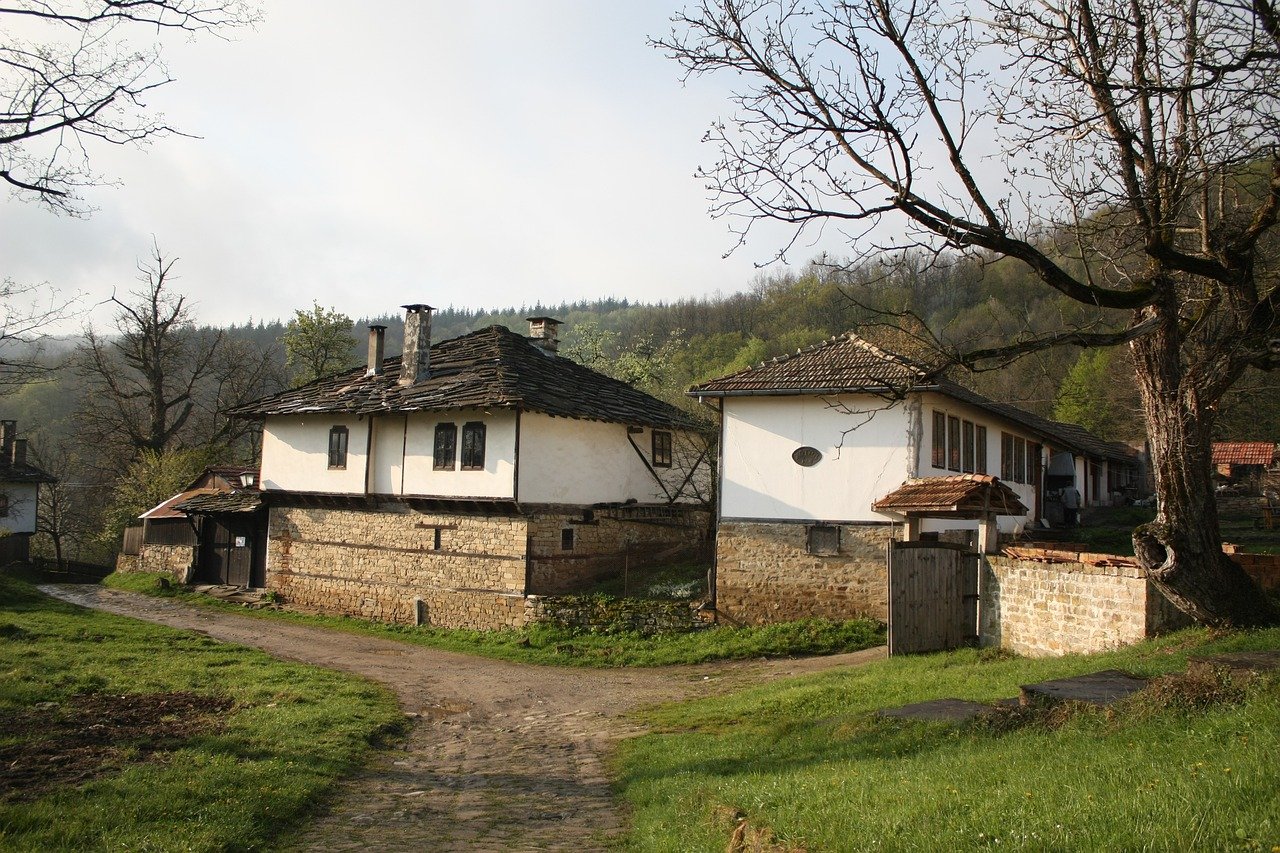
The village of Bozhentsi plays a key role as a Bulgarian historic site. In 1964 it was officially declared an architectural and historical reserve. This prestigious status underlines its importance as a representative of the national cultural heritage and a guardian of architecture and traditions from the Bulgarian National Revival.
Thanks to its status as an architectural and historical reserve, Bozhentsi preserves its historic atmosphere and traditional National Revival architecture. The prohibition on constructing buildings inconsistent with the village's styles ensures the preservation of its distinctive character and unique appearance.
The village lies approximately 9 km east of central Gabrovo and 6 km west of Tryavna, among the sheltered spurs of the Gabrovo Heights. It has a temperate continental climate and varied terrain, at elevations between 520 and 570 m. The Andaka River rises near the village and flows north of it, contributing to the area's picturesque scenery.
According to legend, the village was founded in 1393 by the noblewoman Bozhana, who fled Tarnovo after its fall to the Ottomans. The earliest written evidence for Bozhentsi comes from a Turkish tax register of 1750.
In the second half of the eighteenth century, Bozhentsi developed as an administrative and commercial centre. The Church of St Elijah the Prophet was built in 1839–1840, and a new school was established in 1872. After the Liberation of 1878, the village was declared an architectural and historical reserve in 1964, leading to the restoration of its old houses. Bozhentsi is a unique ensemble of houses, a church and other buildings of architectural and historical interest.
Gabrovo Municipality, Bozhentsi village, 1393
Share:


