Cherven

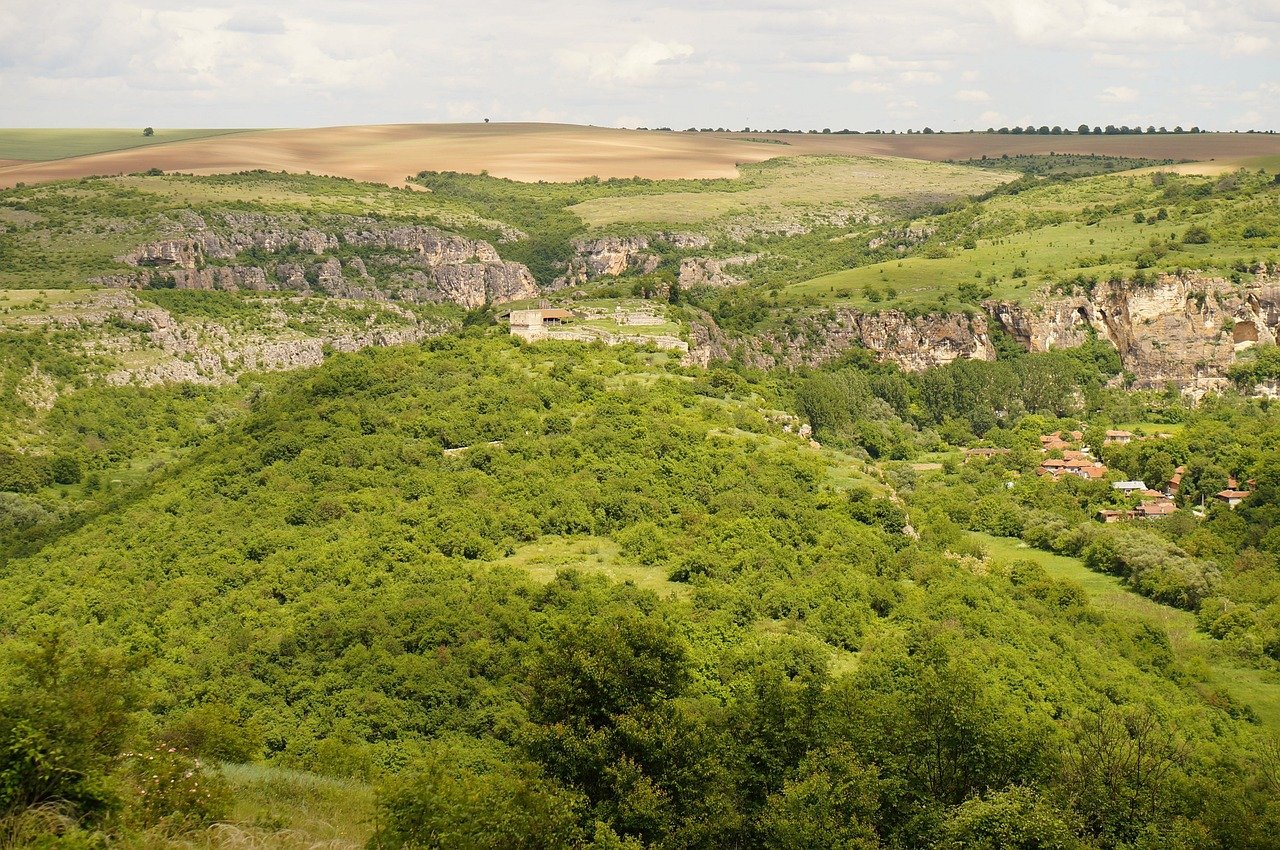
Cherven
Cherven Fortress lies beside the village of Cherven, 34 km south of Ruse. It was an important military and administrative centre during the Second Bulgarian Empire. It occupies an area naturally protected by sheer cliffs. A Byzantine fortress was first built here in the 6th century. The fortress’s rise dates to the 12th century, following the uprising of the brothers Asen and Peter. The settlement then acquired an urban character, and its favourable location quickly made it a major centre of trade and crafts. In 1235, it became the seat of a metropolitan bishop. The town was devastated during the Tatar invasions. It reached its greatest development under the Terter dynasty, particularly during the reign of George I Terter (1277–1280), whose family estate it was.
Cherven was enclosed by defensive walls, with a citadel reinforced by towers in the north-eastern part of the protected area. A central place within the citadel was occupied by the “castle”, which served administrative functions. Two secret tunnels leading to water sources at the foot of the cliff also deserve attention. The fortress’s thirteen churches were particularly significant in its history and demonstrate its importance as a spiritual centre.
In 1388, the fortress was captured by Sultan Bayezid I’s army and razed to the ground. Under Ottoman rule, recognising its strategic importance, the Turks rebuilt it and converted some churches into mosques.
The fortress is in ruins and has been designated a National Archaeological Reserve since 1965.
North-eastern Bulgaria, 12th century
Share:


