Drastar Fortress

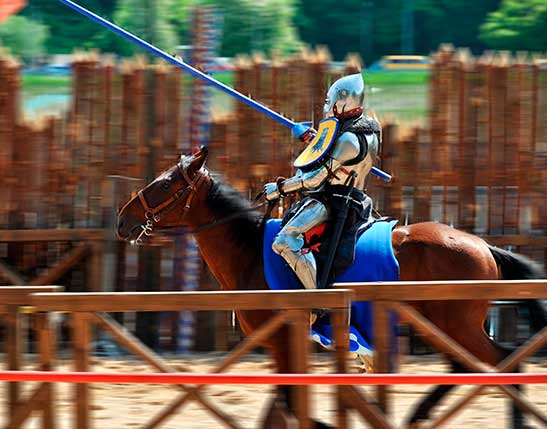
Drastar Fortress
Drastar is a medieval fortress on the site of present-day Silistra. Built on the foundations of ancient Durostorum, the town has a rich history and played an important role in Bulgaria's medieval past. It became the centre of a comitatus in the ninth century and a seat of the Bulgarian Orthodox Church after the Bulgarians' conversion to Christianity. In the first–second century, under Emperor Marcus Aurelius, it became a self-governing municipium with important administrative, economic and customs functions. The town is known for the large public buildings, basilicas, baths and aqueducts constructed by the Romans.
In the third century the fortress was initially destroyed by barbarian tribes, but in the sixth century the Slavs rebuilt it and named it Drastar, meaning "sturdy, strong". After Asparuh's arrival, Drastar was incorporated into the Bulgarian state. The town established itself as an important political, religious and cultural centre in Bulgaria.
Throughout its history, Drastar played a key defensive role against foreign tribes and was an important commercial centre linking the Bulgarian lands with the peoples of the Danube. It remained the seat of a bishop and metropolitan during the Middle Ages.
The fortress maintained its importance over the centuries, withstanding sieges and playing a key role in events such as the defeat of the Magyars under Tsar Simeon's command. Nevertheless, the Kyivan prince Sviatoslav captured the town in 969, and Emperor Tzimiskes renamed Drastar Theodoroupolis in 972. Tsar Samuel liberated it in 976, and it remained a Bulgarian possession until the end of the millennium.
Silistra, No information
Share:


