Historical facts

72 results

Creators of the Cyrillic alphabet
Bulgarians created Cyrillic, a Bulgarian alphabet in which more than 500 million people now write and speak, and which is the official language of 12 countries. Cyrillic was developed at the Preslav Literary School in the late 9th or early 10th century.
Read more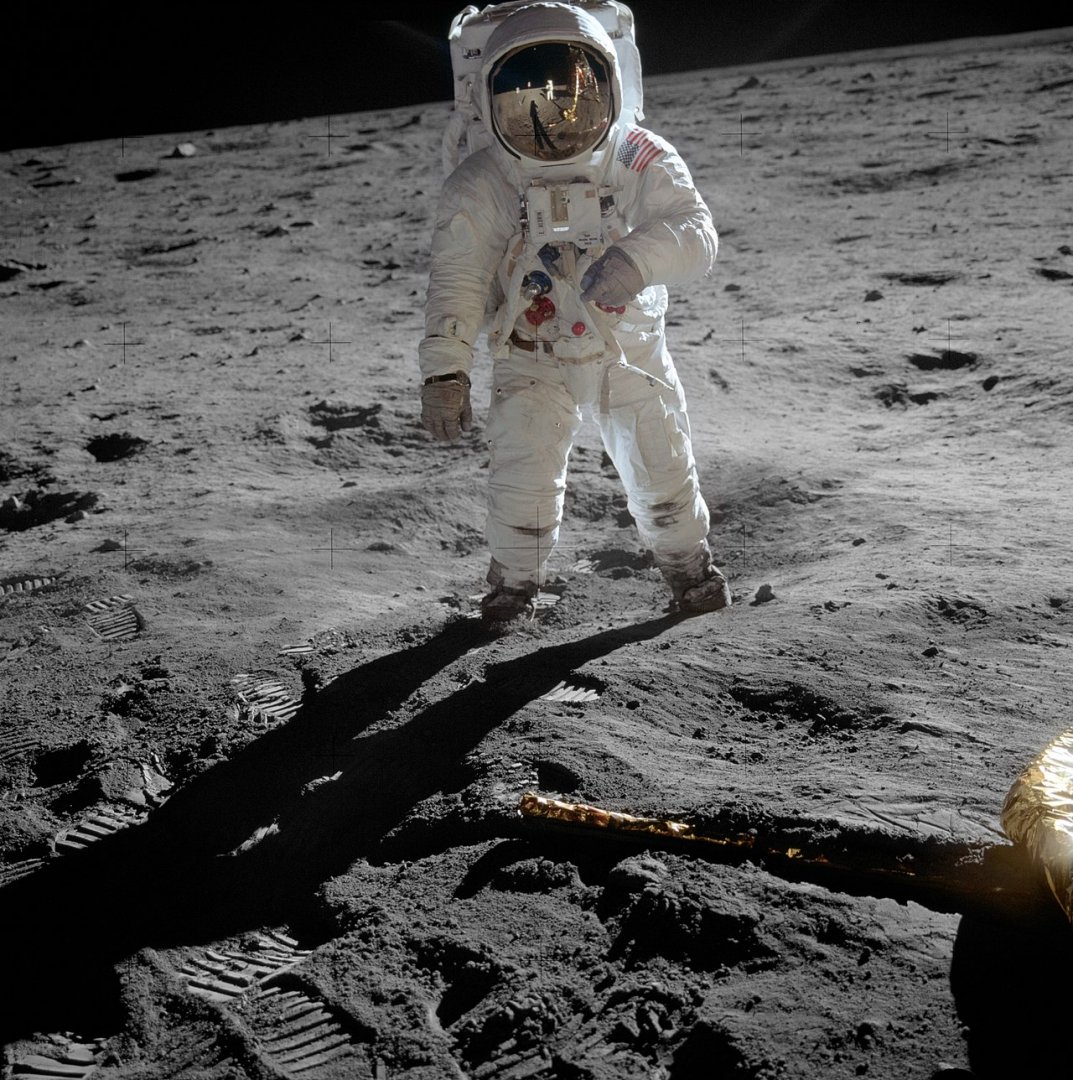
Dr Ivan Nochev: The Inventor Who Sent the Americans to the Moon
In 1942, Dr Ivan Nochev went to Germany to study, but returned to Bulgaria because of the fighting. He continued his education in Prague and Vienna.
Read more
Europe’s hottest geyser
Most of Europe’s geysers are found in Iceland, where landscapes of hot mineral springs, snowy scenery and active volcanoes attract tourists. Geysers rising 40–50 metres into the air are a particularly popular attraction.
Read more
Folklore
Bulgaria has exceptionally rich and fascinating folklore, encompassing folk dances, tales and legends, riddles, proverbs and customs. Its main themes include the relationship between people and nature, the figures of the maiden and the hero, everyday life, agriculture and marriage.
Read more
Georgi Ivanov, the first Bulgarian cosmonaut
Georgi Ivanov Kakalov, known as Georgi Ivanov, is a Bulgarian officer and lieutenant general, born on 2 July 1940 in Lovech. He was the first Bulgarian and Balkan cosmonaut and also served as a member of the Seventh Grand National Assembly in 1990–1991.
Read more
Independence
At noon on 22 September 1908, Prince Ferdinand I proclaimed the Principality of Bulgaria an independent kingdom. He also proclaimed himself “Tsar of the Bulgarians”.
Read more
Joining NATO
Bulgaria was admitted to NATO in 2004. Reaching that point, however, involved a long process lasting 14 years.
Read more
Joining the European Union
In 2007, Bulgaria became a member of the European Union, marking a new phase in its history and opening the door to economic and political growth. EU membership provided opportunities for development and integration into the European community.
Read more
Joining the United Nations
Bulgaria became a full member of the United Nations (UN) on 14 December 1955, together with another 15 countries. The decision to admit it was taken by the UN General Assembly on the recommendation of the organisation's Security Council.
Read more
July Morning
July Morning, known in Bulgarian as Dzhulay, is a Bulgarian tradition associated with the hippie movement. It involves welcoming the sunrise on 1 July.
Read more
Mark Zuckerberg Has Bulgarian Roots
Mark Zuckerberg, the well-known creator of Facebook, does indeed have Bulgarian roots. He was named after his grandfather, Marko, who emigrated from Bulgaria to the United States in the 1940s.
Read more
Nestinarstvo
Nestinarstvo is a traditional ritual originating in the region of Eastern Thrace and associated with the cult of Saints Constantine and Helena. The custom is usually practised in the Strandzha region, situated between Bulgaria and northern Greece.
Read more
One of the Largest Wine Producers
Bulgaria is one of the largest wine producers, producing more than 200,000 tonnes a year.
Read more
Plovdiv: the oldest city in Europe
As the oldest city in Europe and the fifth-oldest in the world, Plovdiv preserves a rich cultural and historical heritage from different periods. Bringing together cultural monuments from antiquity, the Thracian, Greek and Roman periods, the Middle Ages, the National Revival and the Liberation, Plovdiv offers a unique blend of history and contemporary life.
Read more
Reversed Gestures for Yes and No
In many cultures around the world, including Western cultures, nodding the head is associated with a positive response or agreement. Usually, someone who agrees with something or expresses consent will move or nod their head up and down.
Read more
Rose oil production
Situated between the Balkan Mountains and Sredna Gora, the Rose Valley produces a large share of the world’s rose oil. Rose oil is an important ingredient in the cosmetics industry.
Read more
Slav-Bulgarian History
Paisius of Hilendar wrote Slav-Bulgarian History at Hilendar Monastery and Zograf Monastery between 1760 and 1762. This text was the first National Revival work in Bulgarian historiography and played a key role in forming Bulgarian national consciousness.
Read more
Space food
Bulgaria was the third country, after Russia and the United States, to begin producing space food. The menu originally developed in 1979 was used in the Shipka project and subsequently on missions until 1989.
Read more
Stefka Kostadinova’s world record
At the 1987 World Championships in Rome, she cleared a sensational 2.09 metres. To this day, no other female athlete has managed to improve on or equal her record.
Read more
The Airbag
The designer and creator of the airbag was Assen Jordanoff. He was a celebrated Bulgarian and American aviator, engineer and inventor whose name became known worldwide.
Read more
The Answering Machine
In addition to his numerous patents relating to aircraft design, Assen Jordanoff created the device known as the Jordaphone. It was a wireless telephone with an answering function, an amplifier and an intercom.
Read more
The calendar
The Bulgarian calendar is believed to be the most accurate calendar yet known in relation to the astronomical time established by modern science. It is also the oldest of its kind.
Read more
The Christianisation of the Bulgarians
In 864, Bulgaria began the process of conversion, adopting Christianity as its official state religion. Reasons included the need for a unifying factor among the country’s diverse peoples and the aspiration to equal standing within the European community.
Read more
The Country's Only Hot Mineral Spring
Sapareva Banya, Bulgaria, is home to the country's hottest mineral spring, with a temperature of around 103.8 degrees Celsius. According to a study, this spring is considered one of the hottest in Europe, its temperature several degrees higher than that of other well-known springs in Italy, such as Soffioni and Gurgitella.
Read more