Creators of the Cyrillic alphabet

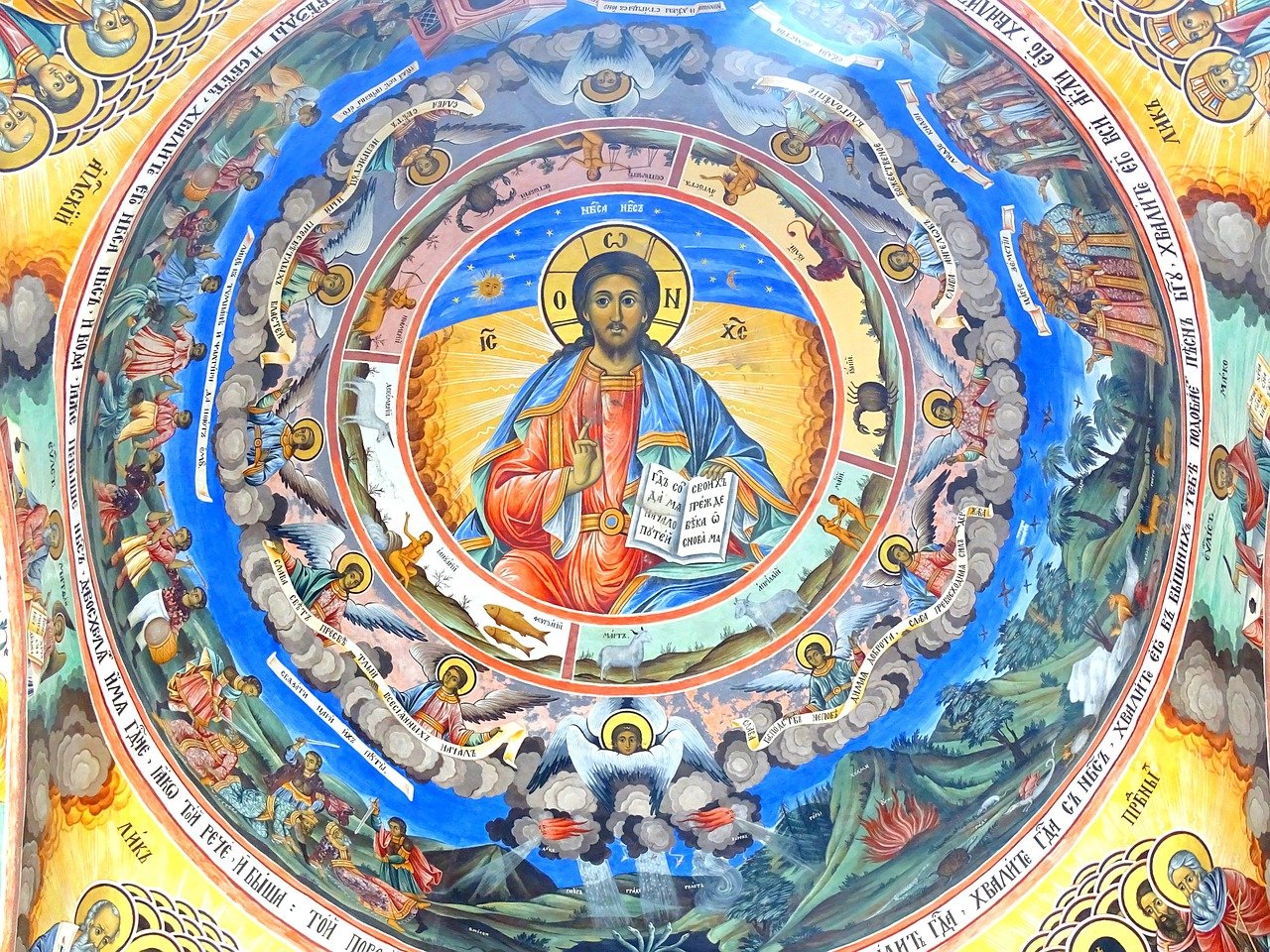
Creators of the Cyrillic alphabet
Bulgarians created Cyrillic, a Bulgarian alphabet in which more than 500 million people now write and speak, and which is the official language of 12 countries. Cyrillic was developed at the Preslav Literary School in the late 9th or early 10th century. It is a revised form of Glagolitic. It was created by Clement of Ohrid on the orders of Simeon I to meet the needs of the Bulgarian state. The appearance of the alphabet was altered and the phonetic Glagolitic letters were reduced to make it more suitable for widespread use. Once it came into use, Bulgarians spread it widely, as they had popularised Glagolitic decades earlier. Because of its versatility, Cyrillic became established and developed primarily in the Balkans. Over time, individual countries made changes to the alphabet to suit their needs. In the Western Balkans, for example, in Bosnia and Herzegovina, several letters were dropped, including “ѫ, ѧ, ѳ, ѯ, ѡ”.
The modern version of Russian Cyrillic dates from the October Revolution. The final changes included removing “Ѣ and Ї” and ceasing to pronounce “ъ” at the ends of words ending in a hard consonant. Modern Bulgarian Cyrillic was established in 1945, with the same changes and the removal of the letter “Ѫ”.
Share:


