The Christianisation of the Bulgarians

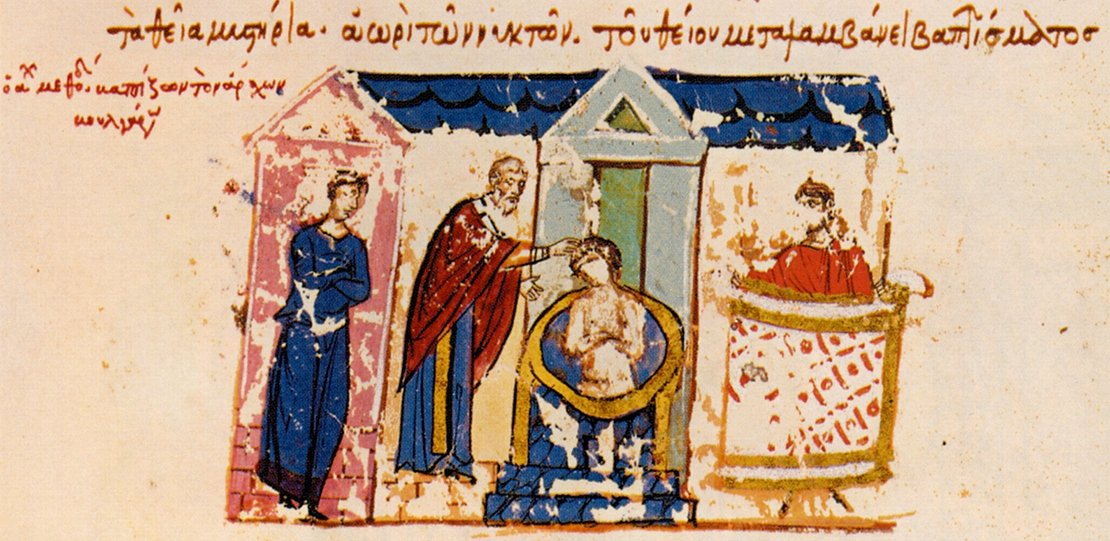
The Christianisation of the Bulgarians
In 864, Bulgaria began the process of conversion, adopting Christianity as its official state religion. Reasons included the need for a unifying factor among the country’s diverse peoples and the aspiration to equal standing within the European community.
By the middle of the 9th century, despite its power, Bulgaria experienced isolation and was regarded as a barbarian state. Boris I recognised the need to adopt Christianity, which also followed defeat in battle against Byzantium. In 863, he signed a “Deep Peace”, concluded in Constantinople, which stipulated that Christianity should be accepted from Constantinople rather than Rome.
In 864, after an earthquake and crop failure in Bulgaria, Boris I signed a “Deep Peace” with Byzantium, adopting Christianity and being baptised together with his people. This period is known as the Christianisation of the Bulgarians. Byzantine clergy laid the foundations of the new faith, baptising the people on a large scale. Boris I secretly accepted Christianity in early 864 and changed his name to Michael III.
Share:


