Prehistory

Prehistory
Prehistory
Approximate reading time: 4 minutes
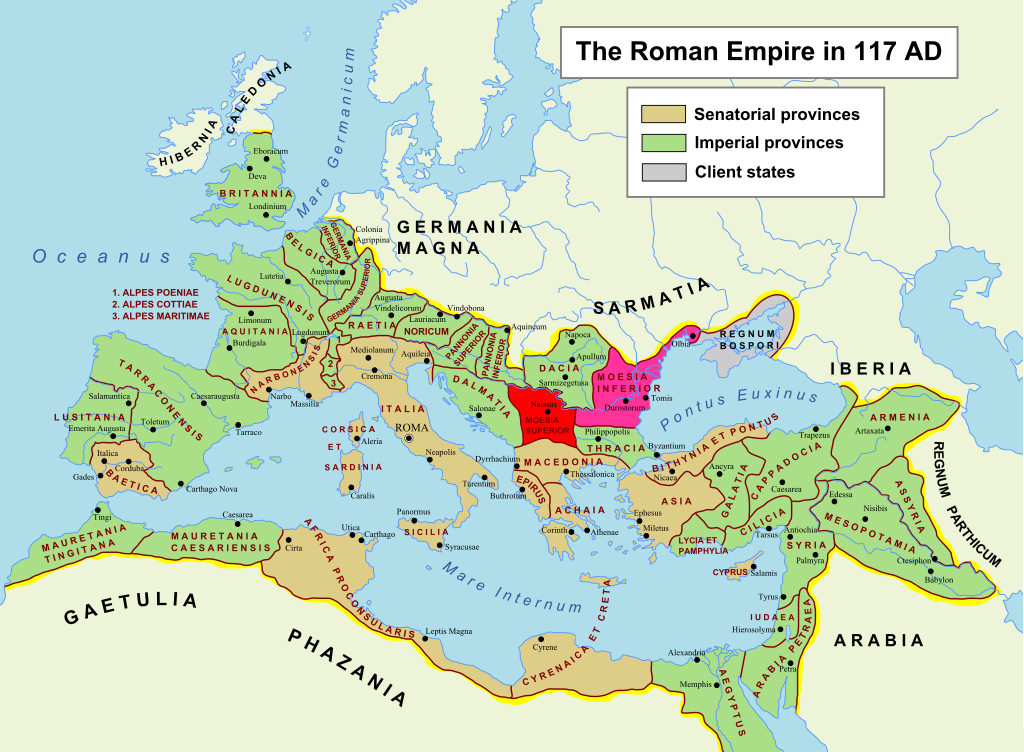
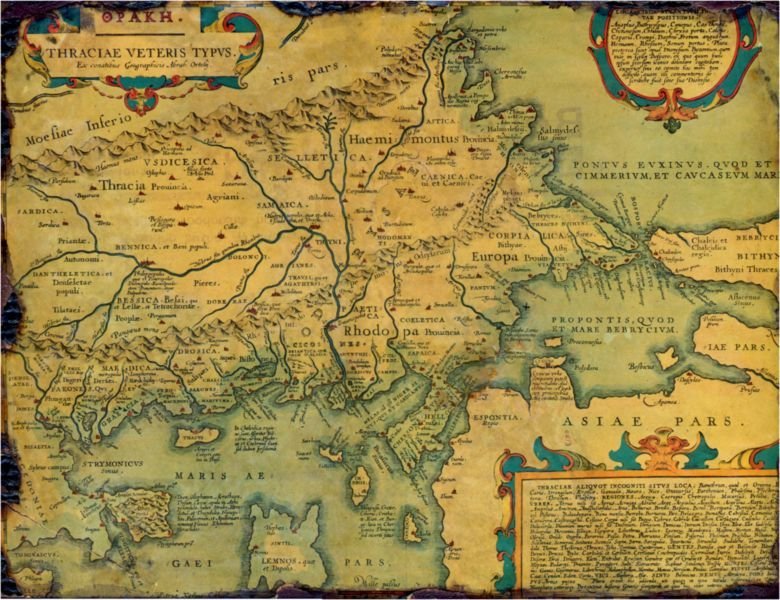
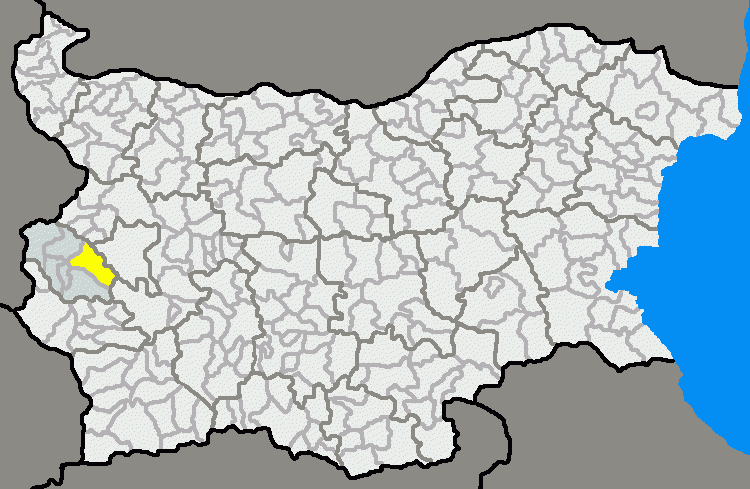
The term prehistory describes all stages of human development before the invention of writing. It came into use in the nineteenth century. Here it also denotes the period from the beginning of our universe, currently thought to have been 14 billion years ago, to the formation of the Thracian community in these lands. More specifically, it can be understood as extending from the first cave-dwelling human to the Thracians, who had their own writing.
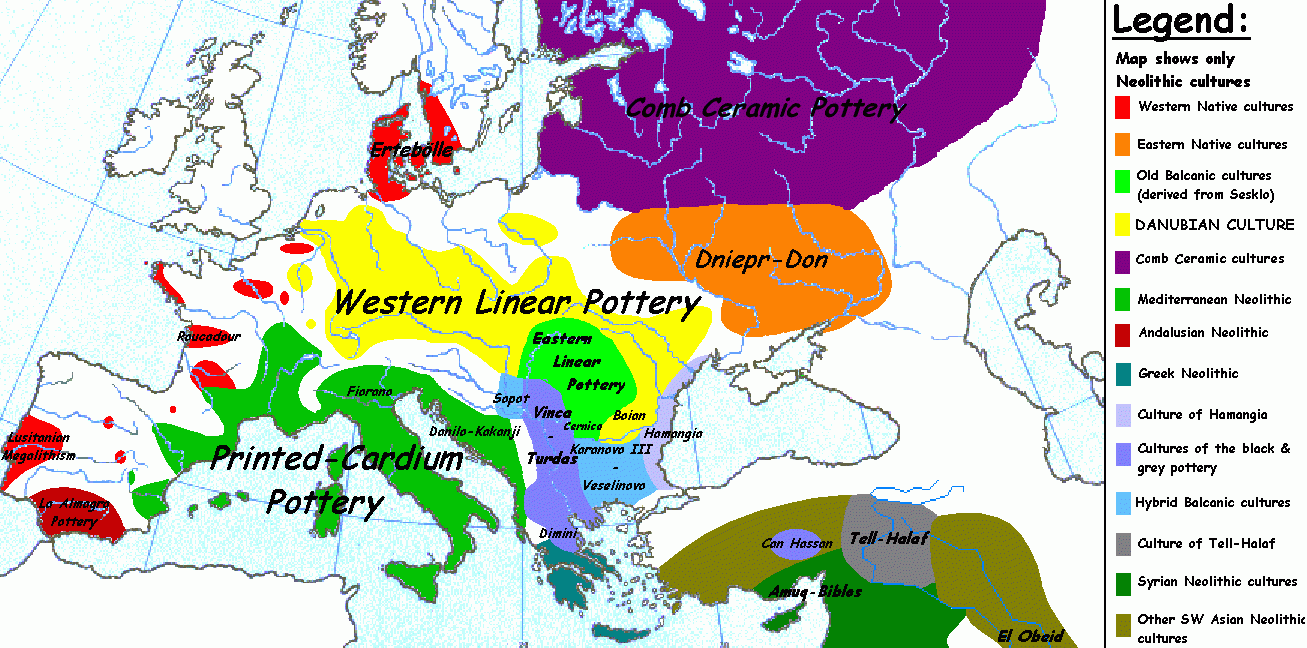
Prehistory is divided into several ages, each directly connected with the development of human society: the Stone, Copper, Bronze and Iron Ages. The Stone Age comprises the following periods:
— The Palaeolithic, when the earliest human species appeared and flourished until our own species, Homo sapiens, remained the only one;
— The Mesolithic, associated with the end of the last Ice Age and the development of technologies for making stone weapons and objects;
— The Neolithic, when agriculture emerged as an idea and practice and clay began to be used as a material.
In Bulgaria, the deepest traces of human civilisation reach back to remote antiquity. Archaeological discoveries in 1996 revealed an ancient Middle Palaeolithic culture in Kozarnika Cave near Belogradchik. Tools found there date back 45,000 years. The most important discovery, however, lies in the cave's lowest stone layers. Research dates these to 1.4 million years ago, and remains of members of the genus Homo have been found there, thought to belong to Homo erectus, possible predecessors of our ancestors. If these remains are accepted, they would constitute Europe's oldest evidence of human-like people. Other early traces of human presence from the Palaeolithic were found in Bacho Kiro Cave near Dryanovo Monastery, dating to around 43,000–36,000 BC.
Numerous settlement and burial mounds from later prehistory have been found in Bulgaria. Among them is the Yunatsite settlement mound near Pazardzhik, recognised as Europe's oldest town. Its remains comprise more than 30 settlements that occupied the site successively over about 6,000 years.
The Karanovo settlement mound near Nova Zagora is also remarkable. A round seal bearing ancient signs was found there, which archaeologists interpret as evidence of the first steps towards writing. The Provadia saltworks mound is associated with Late Neolithic salt extraction, which generated considerable prosperity and trade.
Another prehistoric settlement was discovered on Durankulak Island, where traces of Neolithic and Chalcolithic culture were found. Discoveries include the world's largest prehistoric cemetery and continental Europe's oldest stone architecture. Traces of the final phase of this advanced culture occur near the Black Sea city of Varna. There, in a Chalcolithic cemetery, archaeologists discovered the world's oldest worked gold, dated to around 4400–4200 BC.
Share:


Rulers during this period
