Historic sites

181 results

Tuida Fortress
Tuida is an Early Byzantine and medieval fortress on Hisarlaka Hill in northeastern Sliven. It belongs to the Balkan Mountains' defensive system and was important to the defence of the Roman and Byzantine empires and medieval Bulgaria. Archaeological excavations conducted by the Sliven Museum of History and the Archaeological Institute of the Bulgarian Academy of Sciences reveal intriguing aspects of the region's history and development.
Sliven Province, Sixth–first century BC
Read more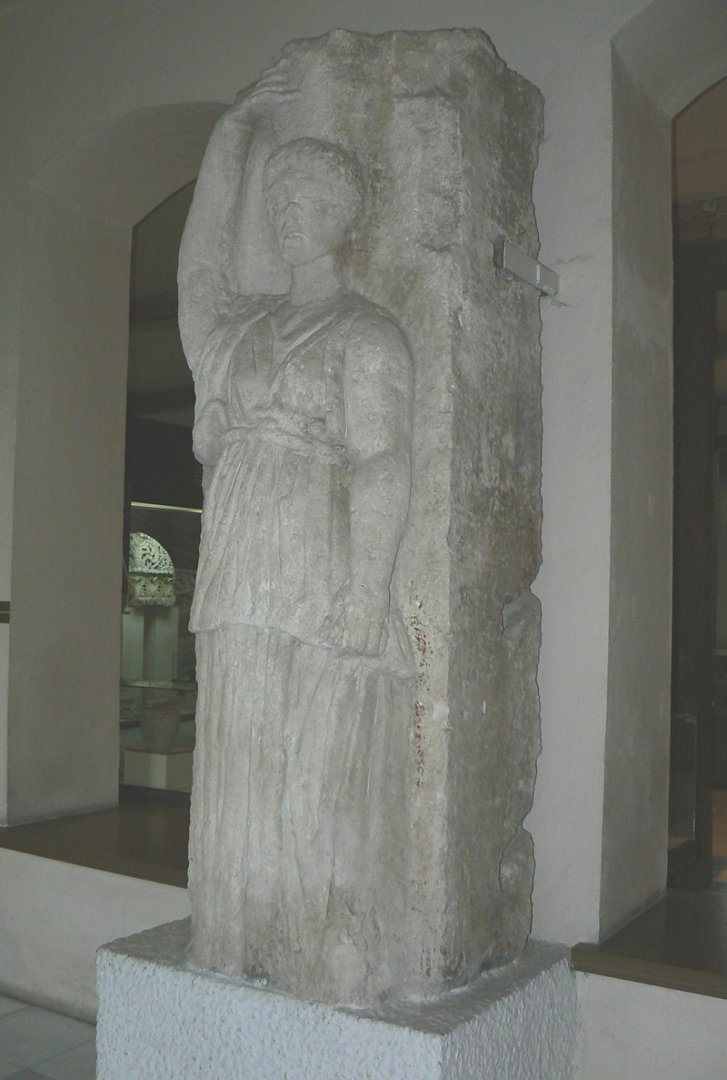
Ulpia Oescus
Ulpia Oescus, in present-day Gigen, Gulyantsi Municipality, Pleven Province, was one of the key Roman towns in the province of Lower Moesia, or Moesia Inferior. In antiquity the area was inhabited by the Triballi, as Claudius Ptolemy attests, and archaeological research has uncovered Late Bronze Age and Iron Age remains. The Iskar River, then known as Oescus, played the role of an important centre for the Triballi, called "Oescus of the Triballi".
Pleven Province, From the second century
Read more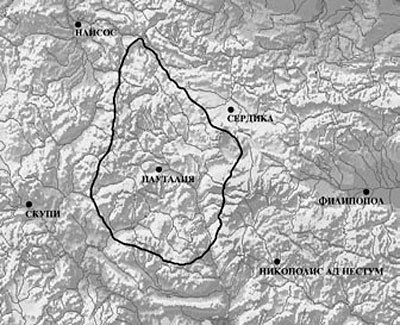
Ulpia Pautalia
Ulpia Pautalia was one of the large Roman towns in the province of Thrace, situated in present-day Kyustendil. It developed from a Thracian settlement and became an important commercial centre and spa resort during the Roman period. It received town status in AD 106 under Emperor Trajan, becoming part of the Roman Empire.
The province of Thrace, on the site of present-day Kyustendil, Fifth–fourth century BC
Read moreUrdoviza Fortress
Urdoviza is a fortress with Thracian, ancient and medieval phases. It stands on the cape of the same name, 0.7 km east in a straight line from central Kiten. It has existed since the Trojan War in the twelfth century BC.
Kiten, Twelfth century BC
Read more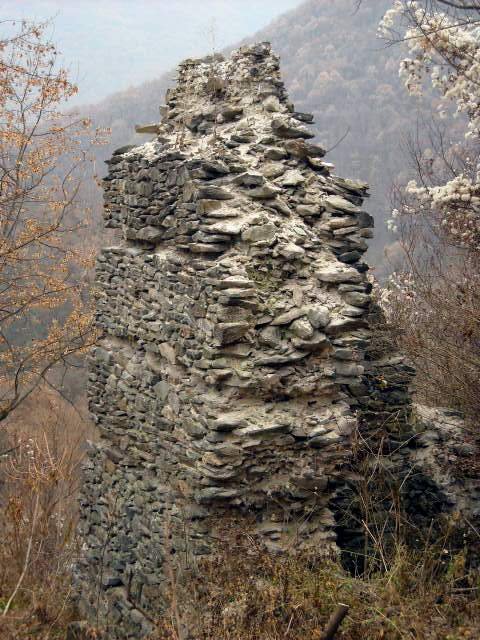
Urvich
Urvich Fortress is situated within the territory of the village of Pancharevo, in the Sofia region.
Western Bulgaria, 9th century
Read more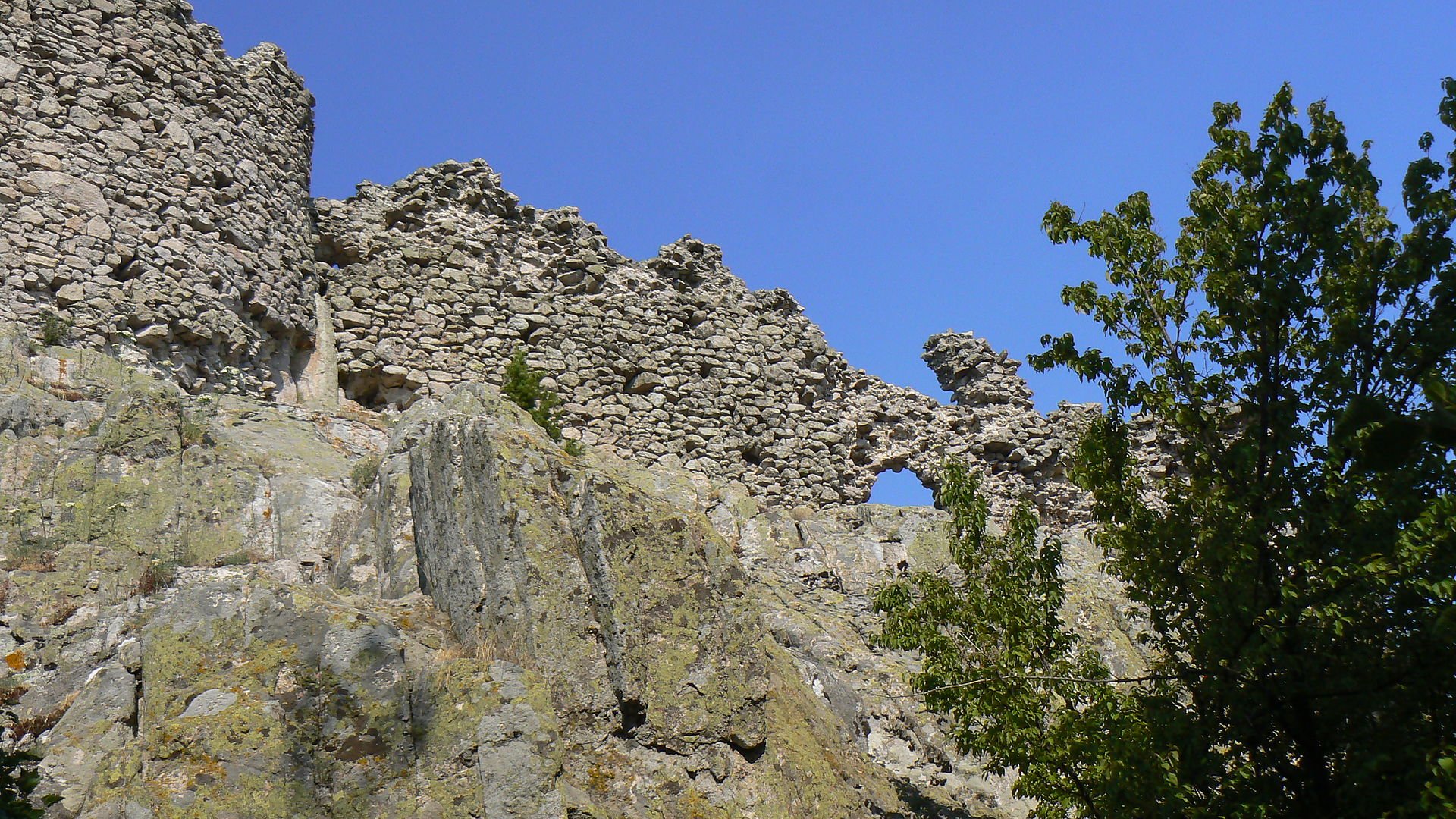
Ustra Fortress
Ustra is a fortress in the Rhodope Mountains and one of the best preserved in the region. With the foundations of many buildings and towers surviving, it is an intriguing archaeological site. Built in the Middle Ages, Ustra was predominantly under Byzantine rule.
Kardzhali Province, near Ustren, Twelfth–fourteenth century
Read more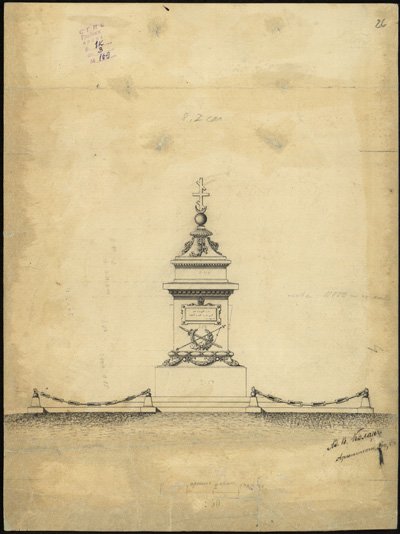
Vasil Levski Monument
The Vasil Levski Monument in Sofia stands in the city centre at the intersection of Vasil Levski and Yanko Sakazov boulevards, near Moskovska Street. It was erected in 1895 at the place where Vasil Levski was executed in 1873. The monument is 13 metres high and consists of a column with a bronze relief portrait of the Apostle of Freedom, created by the Czech sculptor František Novák.
Sofia, 22 October 1895
Read moreVelyan's House
Velyan's House in Bansko, Bulgaria, is a National Revival building declared a cultural monument of national significance in 1967. It was built in the 18th century and remodelled and painted by Velyan Ognenov, a renowned representative of the Debar School of Art, who received it as a gift in the 1830s. Architecturally, the house has two storeys: a ground floor of more substantial stone masonry and a residential floor.
Bansko, 18th–19th centuries
Read moreVishevgrad Fortress
Vishegrad Fortress, on a high summit near Kardzhali, is thought to date from the fourth–first century. Covering a small area of 562 square metres, it is a medieval feudal castle protecting the branch of the road from Adrianople to Philippopolis in the Varbitsa River valley. The name Vishegrad is Slavic and means "high town".
Near Kardzhali, No information
Read more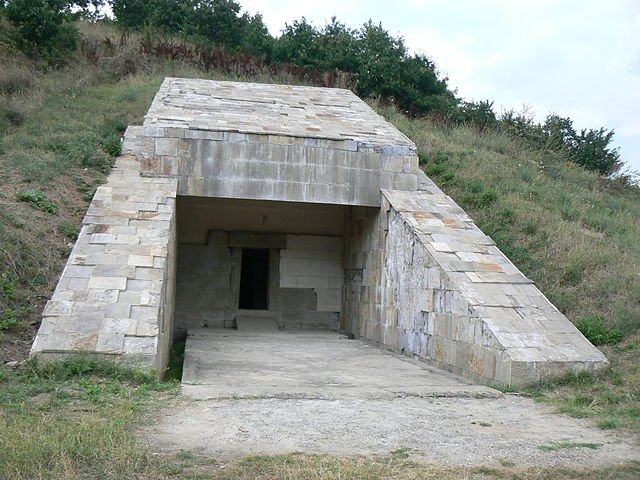
Zhaba Mound
Zhaba Mound 1 is a Thracian mound near Strelcha, Bulgaria, investigated by the EPOS expedition under the direction of Dr Georgi Kitov. This funerary complex dates from the 5th–4th centuries BC and is thought to contain the burial of a Thracian king of the Odrysian tribe. Its dimensions make it one of Bulgaria's largest mounds.
Central Bulgaria, near Strelcha, 5th–4th centuries BC
Read more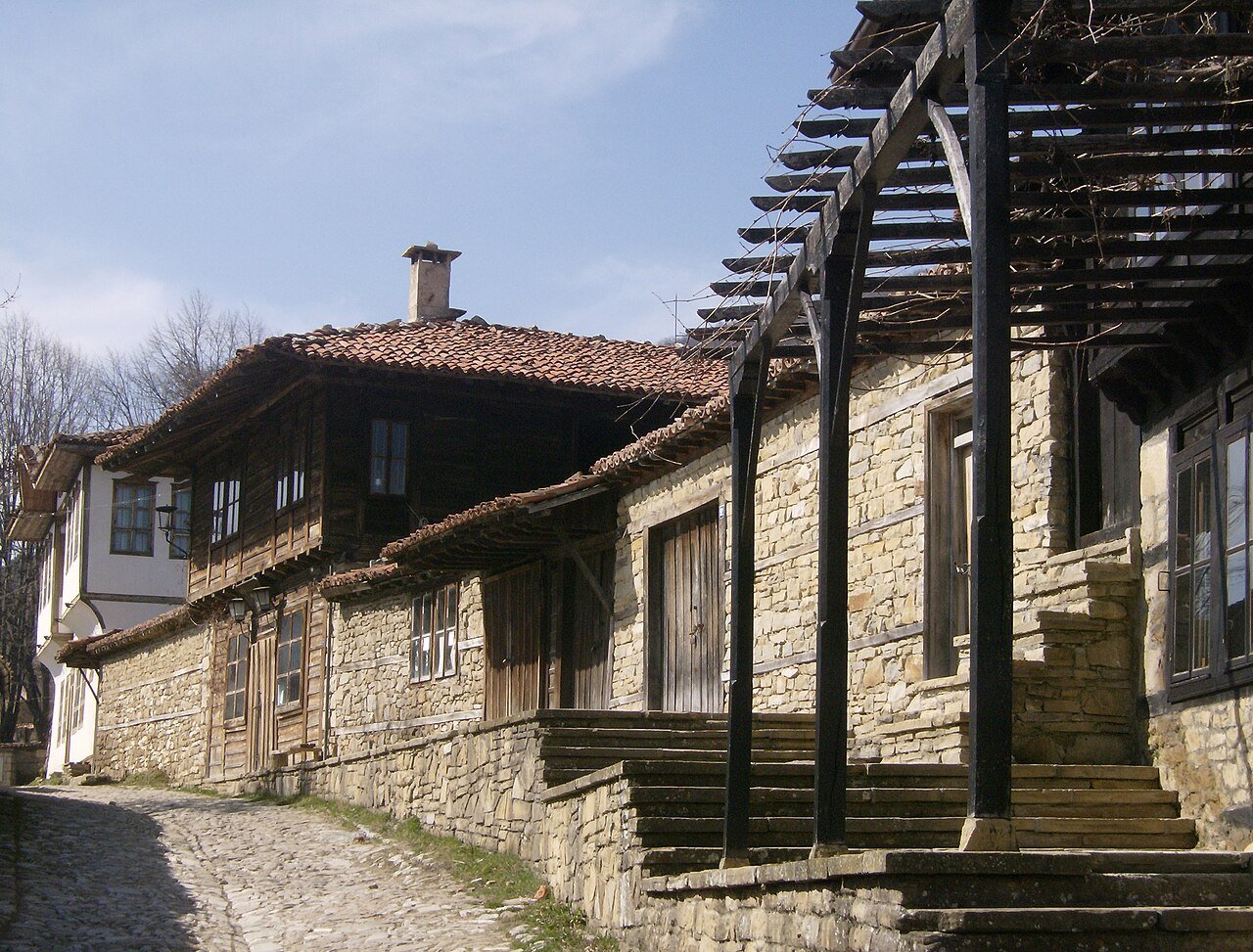
Zheravna Architectural Reserve
The village of Zheravna lies in southeastern Bulgaria, at the foot of the central section of the Eastern Balkan Mountains. It was declared a national architectural reserve in 1964. Before the Turks departed from Bulgaria, the village stood on an important route to Tarnovgrad and developed during the 17th century.
Zheravna village, Sliven Province, No information
Read moreZli Dol Locality
Zli Dol is a historic locality near Klisura in Karlovo Municipality, Plovdiv Province, on the northern slopes of Sashtinska Sredna Gora. During the April Uprising, on 26 April, it witnessed a clash between insurgents and Turkish troops. The feudal lord and bashi-bazouk commander Tosun Bey, acting for Karlovo, assembled 3,000 men and advanced towards Klisura.
Plovdiv Province, near Klisura, No information
Read more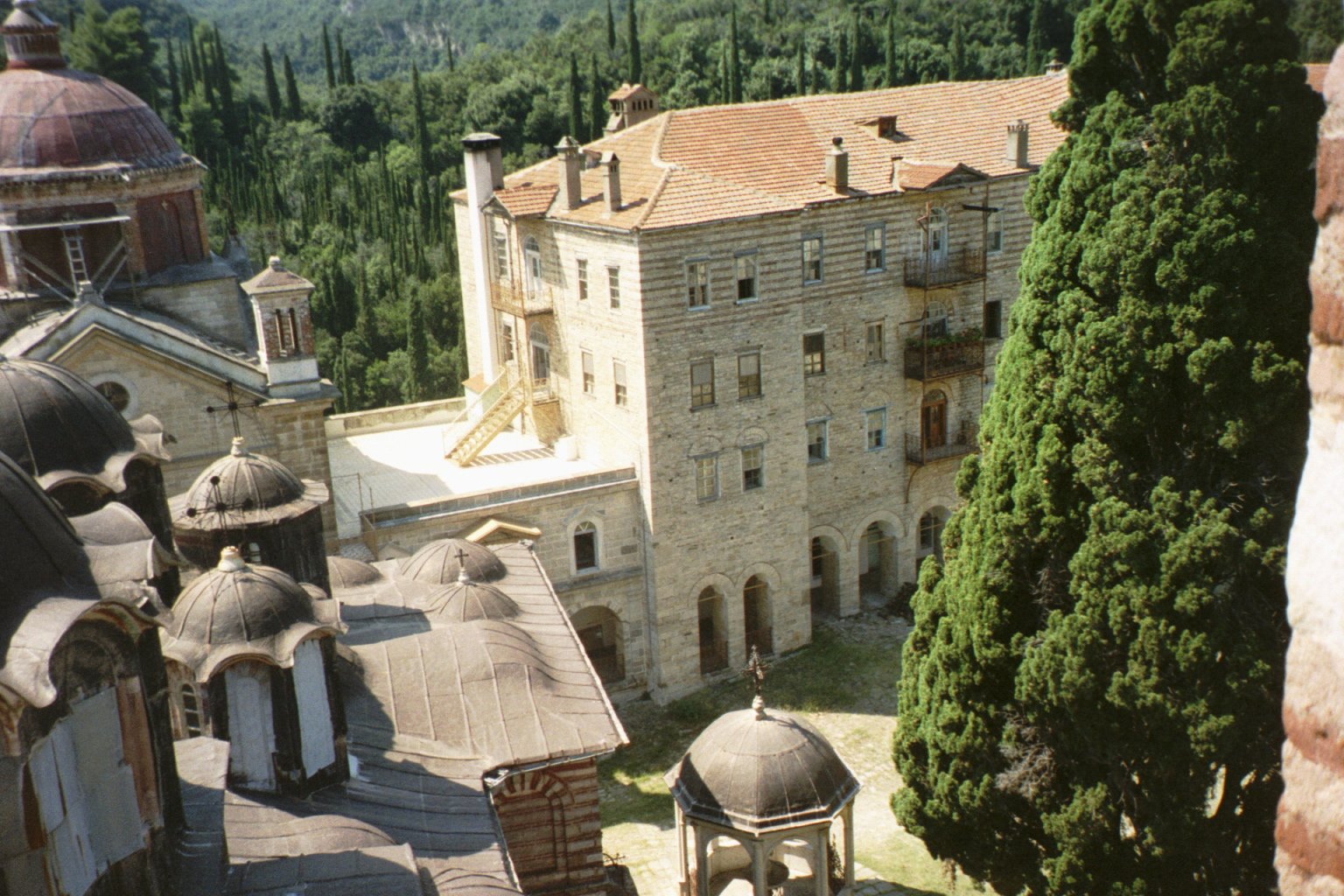
Zograf Monastery
The Monastery of St George Zograf is a Bulgarian Orthodox monastery in the monastic republic of Mount Athos on the Athos peninsula in Greece. It is one of the largest monasteries on Mount Athos and ranks ninth in the hierarchy of Athonite monasteries. The monastery's history begins with its foundation in 919 by three brothers of noble birth from Ohrid: Aaron, Moses and John (Ivan) Selima.
The Athos peninsula in northern Greece, 919
Read more