Ulpia Oescus

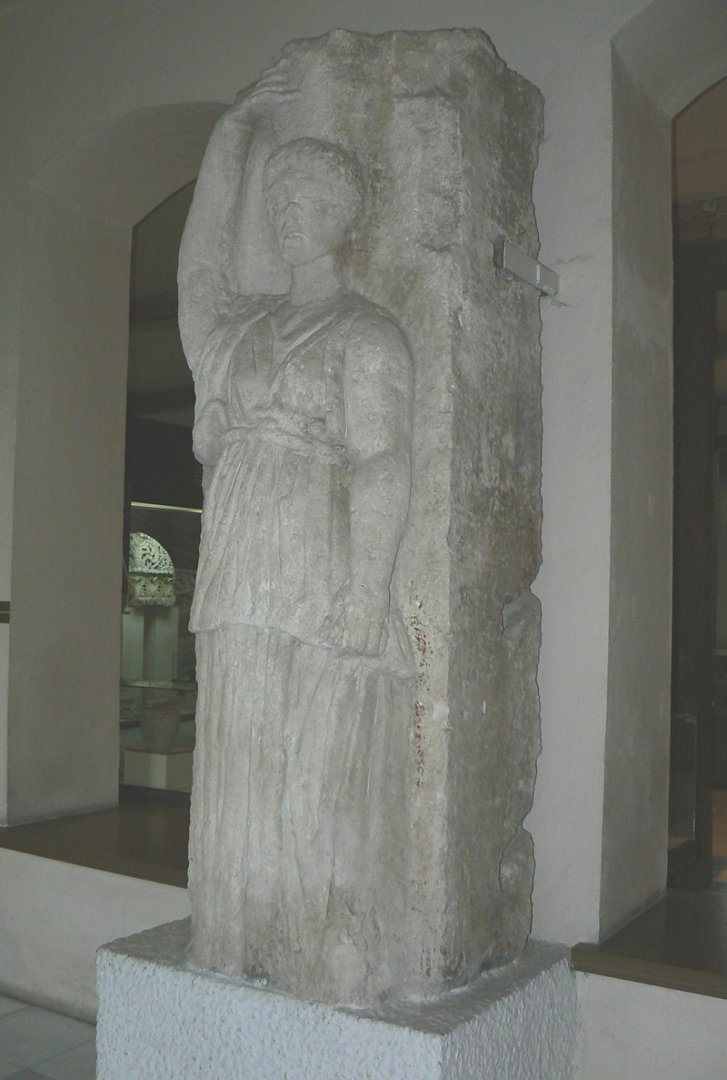
Ulpia Oescus
Ulpia Oescus, in present-day Gigen, Gulyantsi Municipality, Pleven Province, was one of the key Roman towns in the province of Lower Moesia, or Moesia Inferior. In antiquity the area was inhabited by the Triballi, as Claudius Ptolemy attests, and archaeological research has uncovered Late Bronze Age and Iron Age remains. The Iskar River, then known as Oescus, played the role of an important centre for the Triballi, called "Oescus of the Triballi". After the Roman occupation, the Fifth Macedonian Legion stationed at Ulpia Oescus became a key factor in regional history. A timber-and-earth camp developed, followed by a strong stone defensive wall. In AD 106, after Emperor Trajan's triumph over the Dacians, the town received colonial status and became known as Ulpia Oescus, honouring the emperor's father's name. Ulpia Oescus was an important transport junction and station on the Danube road. In 328 Emperor Constantine the Great built Constantine's Bridge, connecting the town with Sucidava. Its forum, adorned with four temples, made it exceptional within the Roman Empire. These were the temples of Jupiter, Juno, Minerva and Fortuna. Ulpia Oescus was destroyed in the sixth century following Avar invasions. In the tenth–twelfth century a medieval Bulgarian settlement arose over the Roman town's ruins. A small church was built on the ruins of the Temple of Fortuna.
Pleven Province, From the second century
Share:


