The Thracians

The Thracians
The Thracians
Approximate reading time: 4 minutes
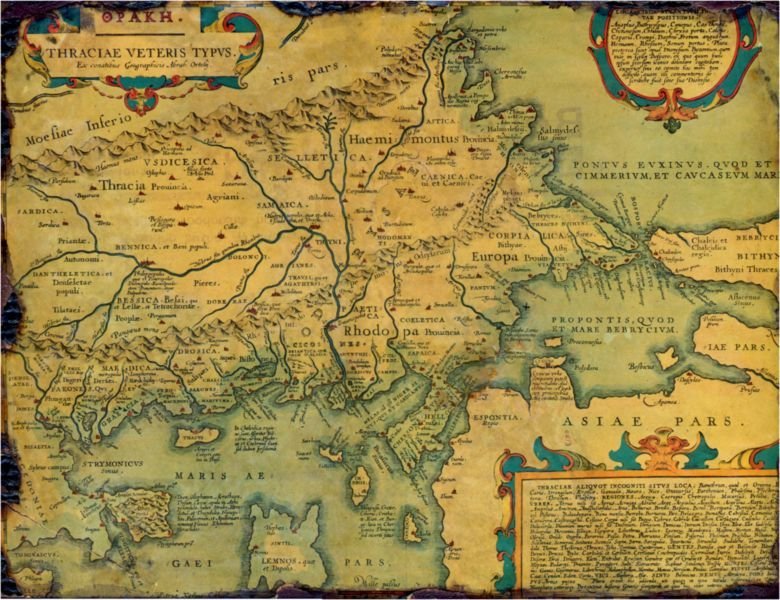
The Thracians settled in the lands of present-day Bulgaria during the Bronze Age.
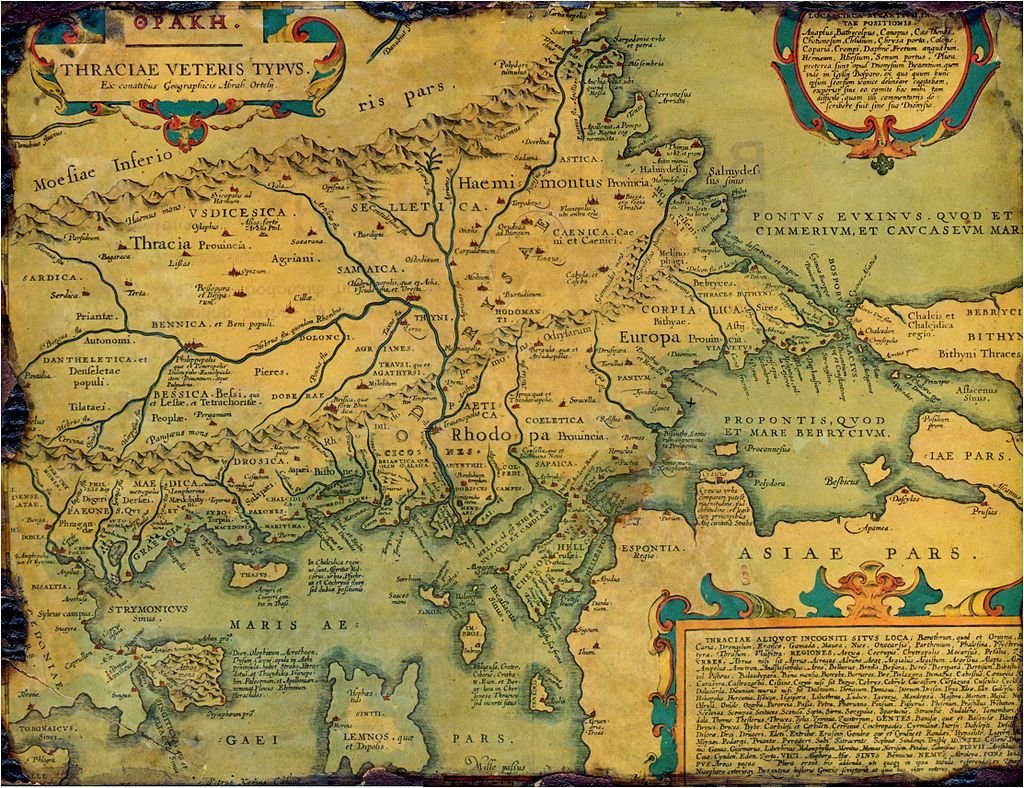
They were an ancient Indo-European people who inhabited Thrace in south-eastern Europe, a region including parts of present-day Bulgaria, Greece, Turkey and Romania. Thracian civilisation flourished around 6000 BC and lasted until Roman conquest in the first century AD. Their origins remain uncertain. According to the most developed theory, Thracian society emerged from a mixture of local peoples and Indo-European groups who passed through these lands during the Proto-Indo-European expansion in the Early Bronze Age.
Thracian society was organised into tribes and characterised by a military aristocracy. Initially, the tribes remained separate and united only in wartime, a common practice then; a variation also appears in the government of Old Great Bulgaria.
Thracian soldiers' military skills and training were renowned in antiquity, and many served in foreign armies as mercenaries. Early evidence for a developed language and writing is scarce, but their cultural richness and unity are well attested. They were also exceptionally numerous, astonishing ancient historians such as Herodotus, the Greek 'father of history'. Historians disagree about Thracian writing, a dispute stemming from their unclear origins. Some believe the Thracians had no writing of their own; others consider them of Sumerian origin and users of Sumerian writing.
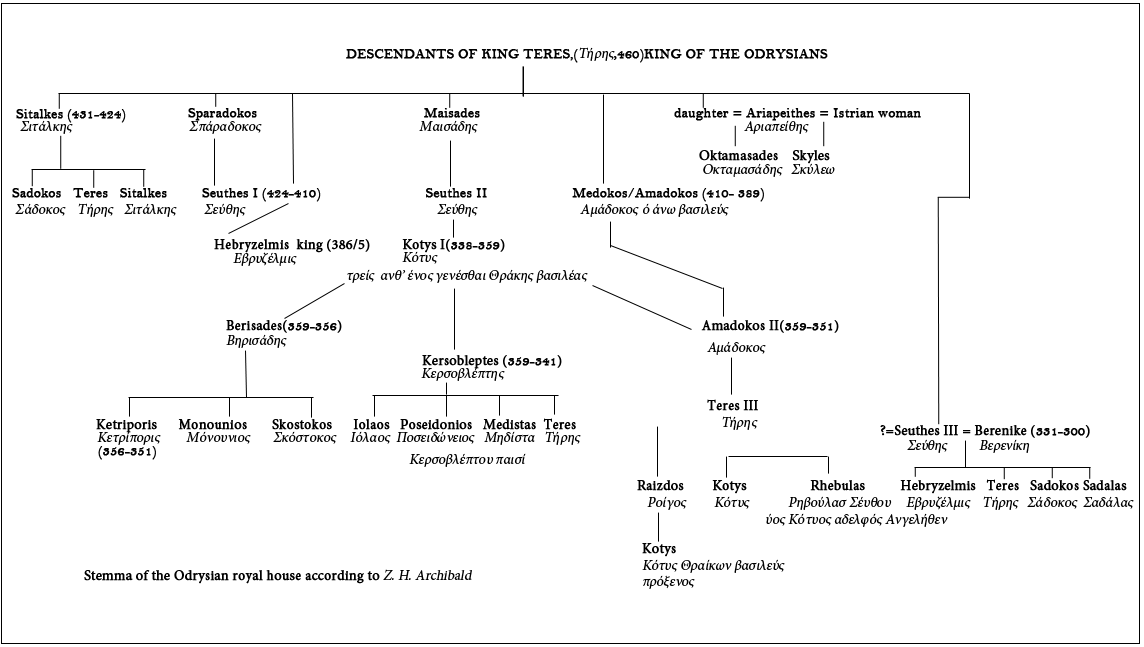
In the mid-sixth century BC, some tribes were conquered and became part of Alexander the Great's Macedonian Empire. By the end of the century, they regained autonomy. In the fifth century BC, several Thracian tribes united with the Odrysians to establish a common state called the Odrysian Kingdom. Old Great Bulgaria arose in a similar way twelve centuries later. King Teres is considered the kingdom's founder. Earlier attempts to unite Thracian tribes into larger organisations had been unstable and short-lived. The Odrysian Kingdom was their first stable union and survived until Roman conquest in the first century AD.
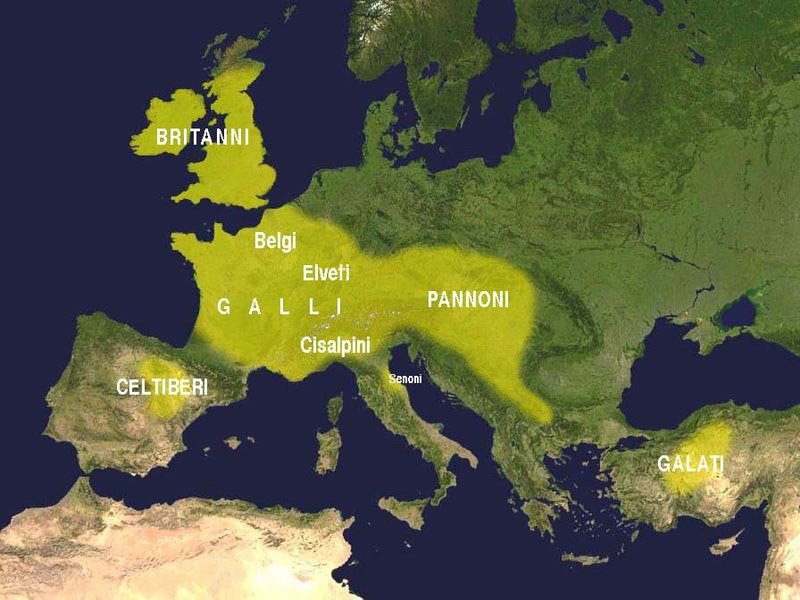
In the third century, Celts arrived in these lands and established a short-lived state as part of their Balkan invasion. Celtic incursions played an important role in Balkan history, though their traces were less enduring than those of later civilisations. One of the best-known invasions was carried out by the Galatians, who entered Greece in the third century BC. In 279 BC, they attacked Delphi, the sanctuary of the goddess Apollo, but were repelled by the Greek leader Brennus. They subsequently settled in Asia Minor. With the Roman Empire's advance into the region in the second century BC, Celtic populations were gradually assimilated or displaced, ending their civilisation. Research and chronicles have also given rise to a theory that Celtic tribes were themselves Thracian, their ancestors having migrated to present-day Ireland from south-eastern Europe, the Thracian lands.
Share:


Rulers during this period
