Kuber's Bulgaria

Kuber's Bulgaria
Kuber's Bulgaria
Approximate reading time: 2 minutes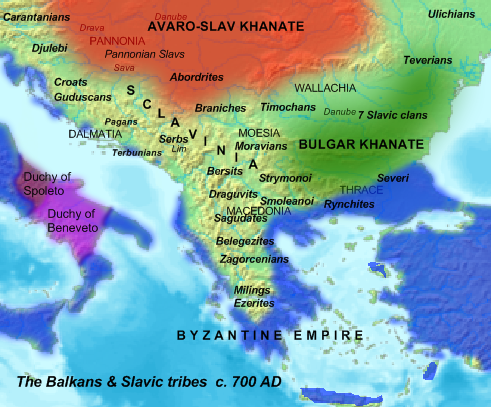
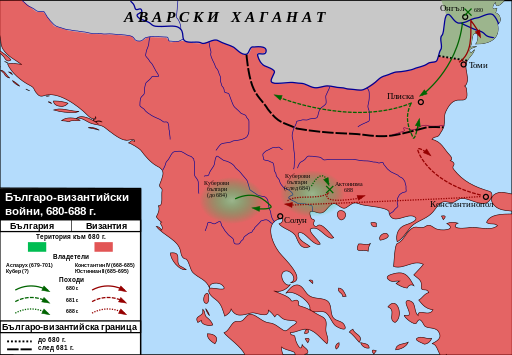
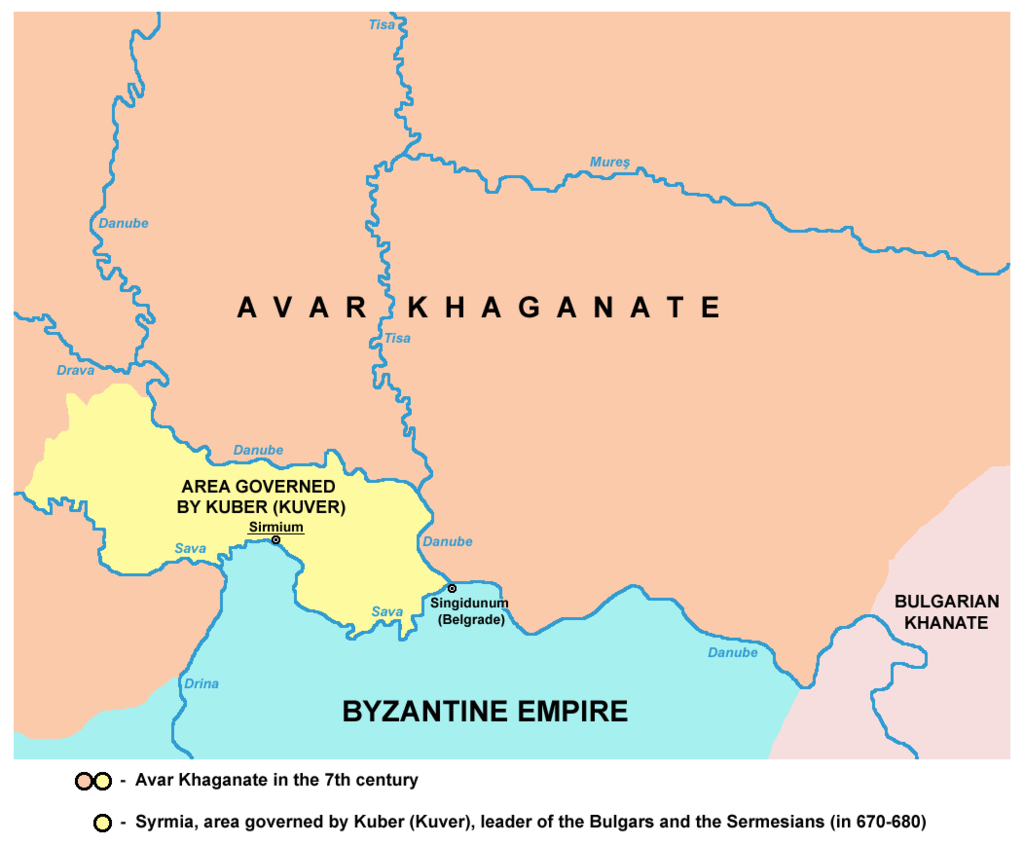
After Khan Kubrat's death, his five sons and their subject Bulgar tribes dispersed across the continent. Kuber and his younger brother Alcek led Bulgars towards the Avar Khaganate. Around 680, Kuber founded a state in what is now North Macedonia, centred on the Prilep plain, then called the Keramissian plain. Its population included Bulgars, Slavs of the local Druguvite or Dragovite tribes, and Romanised inhabitants of ancient origin who escaped Avar captivity with the khan.
That same year, supported by the Slavs, Kuber decided to conquer Thessaloniki and make it his capital. Although he attacked the city and occupied its surrounding lands, it held out with the help of a fleet sent by Emperor Sisinnius. The state survived for another 150 years until, after Khan Presian's campaign in 836, its lands were fully incorporated into Bulgaria. In 930, Kuber's descendants joined Michael's conspiracy against his brother Peter. Many were forced to leave Bulgaria and settle near Nicopolis in southern Epirus on the Adriatic Sea.
The state commemorative inscriptions at the Madara Rider mention Khan Tervel's uncles in the lower land, Macedonia, as important allies during negotiations with Justinian II for an attack on Constantinople. Treasures found around Vrap near Dyrrachium, or Durrës, and Ersekë in present-day Albania are associated with Kuber's Bulgaria.
Share: