Banditry in Eastern Bulgaria

Banditry in Eastern Bulgaria
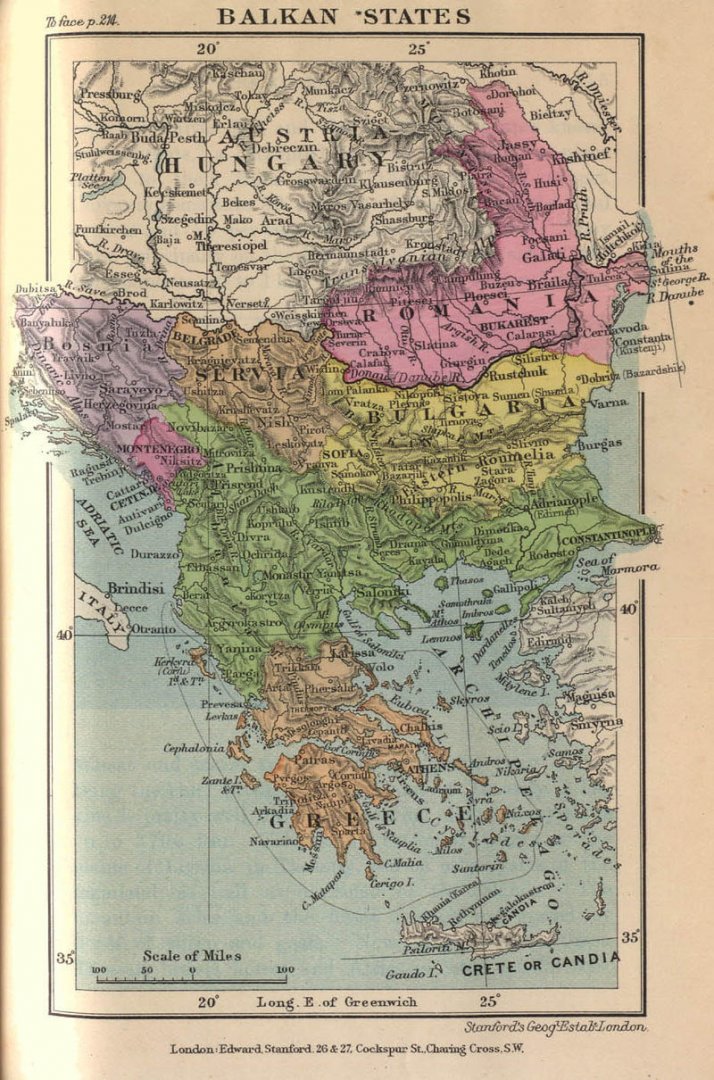
In 1879–1880, Turks carried out revolts and guerrilla operations, described as banditry, in the eastern Principality of Bulgaria. The unrest developed after the Russo-Turkish War, when substantial groups of Turks formed armed forces around Eski Dzhumaya and Osman Pazar. An unsuccessful attempt to seize Osman Pazar prompted a change towards guerrilla tactics. The main cause of the revolts was discontent among returning refugees whose property had been plundered by Bulgarians, together with abuses by the Bulgarian administration.
Martial law was introduced in the affected areas in July 1879, but the situation did not improve. The revolts intensified in the spring of 1880, bringing attacks with many casualties. Tensions increased in April when the Bulgarian army attempted to establish the border with Eastern Rumelia, provoking resistance from local inhabitants.
General Casimir Ehrnrooth received extraordinary powers and took measures to control the unrest. By October 1880, he had halted the attacks and disarmed the Turkish groups, despite Ottoman accusations of violence against Muslims. Events concluded with the lifting of martial law in October and reductions in the sentences of convicted people in November 1880.
Share:


