Revolutionary Hristo Ivanov Golemiya

Revolutionary Hristo Ivanov Golemiya
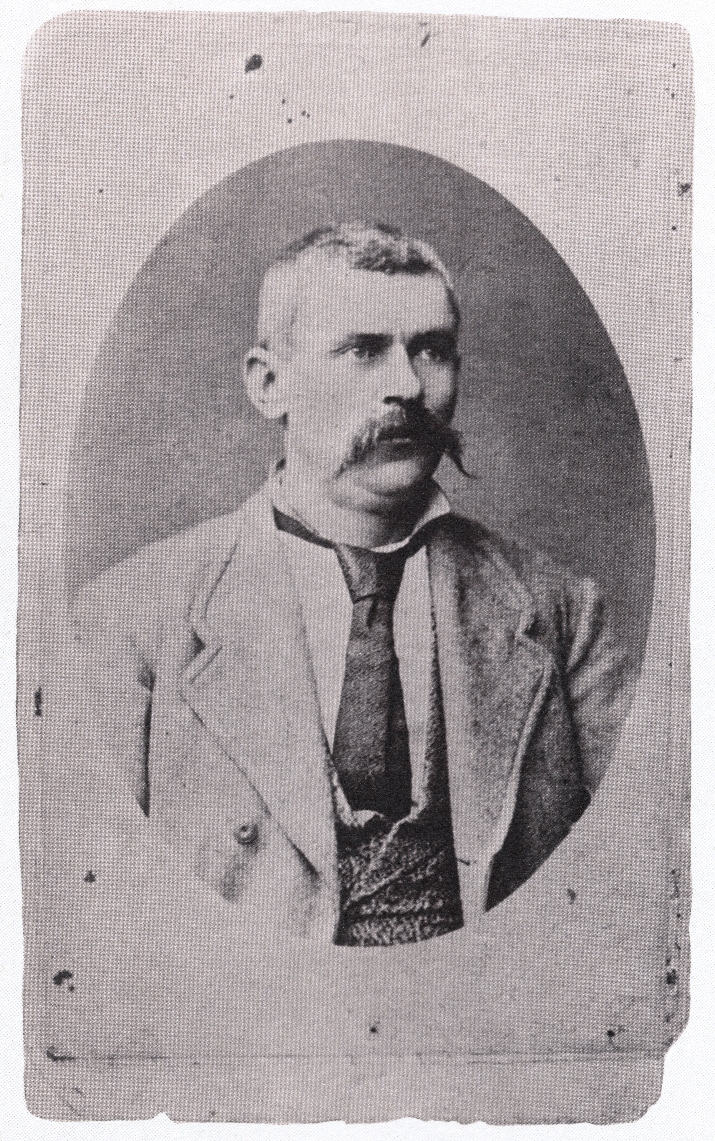
Hristo Ivanov Golemiya
Hristo Ivanov Krachulov, known as Golemiya, Knigovezetsa, Lovchaliyata and Voyvodata, was a Bulgarian national revolutionary and close companion of Vasil Levski. He participated in various events and battles that shaped Bulgaria's history in the second half of the nineteenth century.
Hristo Ivanov Krachulov was born on 14 September 1838 in the village of Kakrina in the Lovech region, into the family of a farmer and merchant. In 1846 his family moved to Lovech, where he attended the Holy Apostles Monitorial School in Gorni Kray. He trained as a furrier and bookbinder under the priest Lukan Lilov.
In 1860, after a brief period in Serbia, Krachulov emigrated to Belgrade, where he met Vasil Levski and Georgi Rakovski. He participated in the battles for Belgrade Fortress at Varoš Gate, Sava Gate, the Deli Fountain and Bajrakli Mosque.
After the Bulgarian Legion disbanded, Krachulov returned to Bulgaria and settled in Plovdiv. There he worked as a bookbinder and actively participated in the struggle for the Bulgarian Orthodox Church.
In the following years, Krachulov continued his revolutionary activities and became a member of the Tarnovo Local Revolutionary Committee and the Internal Revolutionary Organisation (IRO). He played an important role in organising the IRO's network and activities in the region.
He actively participated in the April Uprising of 1876, after which he was betrayed and captured. After the uprising's defeat, Krachulov went into hiding and participated in the Russo-Turkish War of 1877–1878 and the Serbo-Bulgarian War of 1885.
Hristo Ivanov Krachulov also participated in political life as a member of the People's Liberal Party, or Stambolovists, and a deputy in the Sixth Ordinary National Assembly.
After Vasil Levski's death, Krachulov continued his struggle and took part in various revolutionary and military operations. He distinguished himself in several battles during the liberation of the Bulgarian lands from Ottoman rule. After the wars he worked in education and culture, leaving a lasting mark on the struggle for Bulgaria's freedom and independence.
Share:


