Voivode Doncho Vatah

Voivode Doncho Vatah
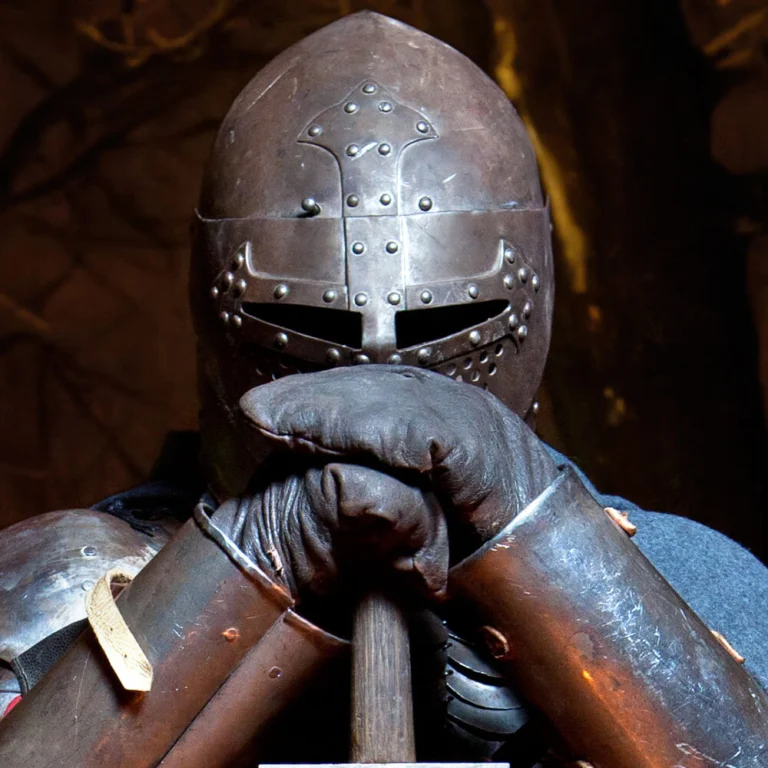
Doncho Vatah
Doncho Vatah was a famous Bulgarian hajduk of the first half of the 19th century whose exploits covered a broad region of Bulgaria. He belonged to Dyado Nikola Kardzhaliyata's band and engaged in hajduk activities for about thirty years in various mountain regions, including the Balkan Mountains, Sredna Gora, the Rhodope Mountains and Strandzha, as well as the Edirne and Didymoteicho regions. His main area of activity was Sredna Gora, while he moved to the Edirne region in winter. His standard-bearer was Petko Yantahta.
Doncho Vatah was described as one of the most outstanding hajduks among Bulgarian heroes. He pursued Turkish bandits and the sultan's regular soldiers, as well as wealthy Bulgarians, acting as a collector of levies. Yet he was distinguished by his generosity, distributing the money he collected to the poor regardless of their religion, whether Christian or Muslim. This earned him the respect of all communities, and no one dared harm him.
In 1848, two hundred regular soldiers were sent against him from Edirne, but only sixty returned alive, forcing the officials to leave him alone. Numerous legends surrounded Doncho Vatah: he was said to possess unfailing magical powers and to be immune to bullets, while his encounters with samodivas, woodland nymphs, were the subject of many tales. Turkish soldiers feared him, and even Albanians and regular troops spread legends of his invulnerability.
Accounts of Doncho Vatah's origins vary; he may have come from Kladnitsa village. His nickname Vatah may be of Turkish origin, meaning a court official or overseer. It has also been suggested that vatah may have a Bulgar origin and mean a chief or leader of a rusalii ritual dance group.
Doncho Vatah died fighting the Turks near Koprivshtitsa in 1860 and was buried on Vlak Peak in Sredna Gora according to an old hajduk custom, without a burial shroud or funeral service.
Also mentioned is Dobra Moma Voivode, a loyal companion and assistant to Doncho Vatah in the hajduk struggles. She died in battle against a Turkish pursuing force, and her band was active from 1825 until 1855–1860.
Share:


