Voivode Captain Petko the Voivode

Voivode Captain Petko the Voivode
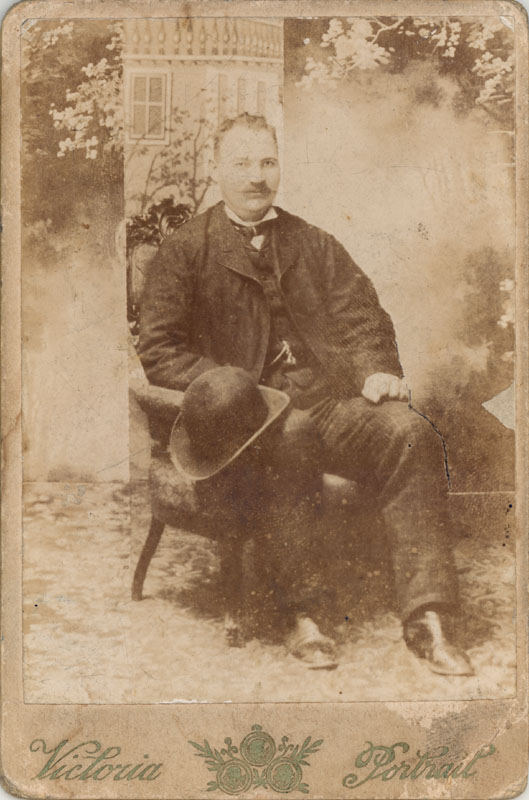
Captain Petko the Voivode
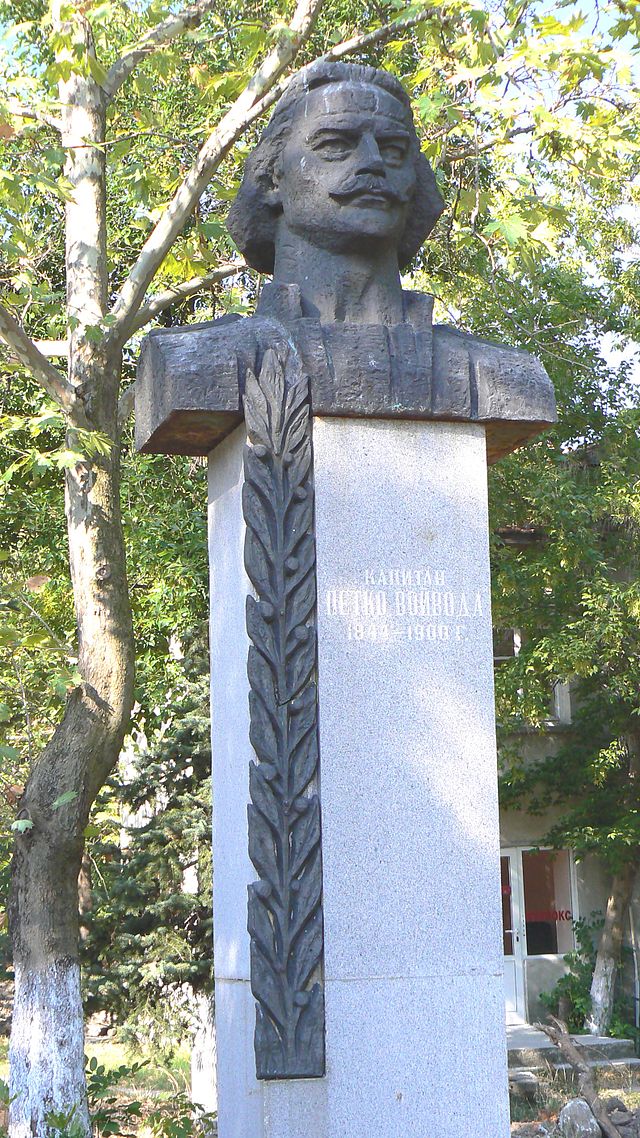
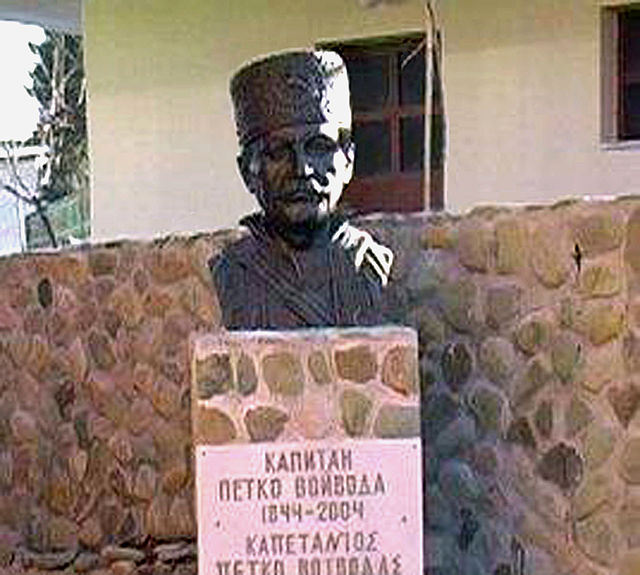
Petko Kiryakov, known as Captain Petko the Voivode, a Bulgarian hajduk leader and revolutionary, was born in the autumn of 1864. He devoted himself to the liberation of the Aegean Bulgarians and their unification with Bulgaria, while also defending the Rhodope Mountains and fighting for the freedom of those oppressed in the Ottoman Empire.
In 1864, recruited by the Greeks for the struggle against Turkey, Petko left the Aegean region for Athens, where he enrolled in the Military School. He undertook a revolutionary advocacy tour of Macedonia and then went to Italy. In early 1866 he met Giuseppe Garibaldi, and they organised a "Garibaldian band" of 220 Italians and 67 Bulgarians that participated in the Cretan Uprising.
After the uprising ended, Captain Petko the Voivode left the island without surrendering to the Turks. He stayed in various places, including Alexandria, Marseille and Italy. In 1869 he gathered his detachment and headed towards the Bulgarian Aegean coast. He passed through the Turkish fortress of Sir on the island of Mytilene and arrived at Enos at the mouth of the River Maritsa. In the summer of 1869, the detachment fought the Turkish gendarmerie around the Dedeagach, Enos and Keşan districts, successfully confronting the Turkish forces.
In the following years, Petko the Voivode continued his struggle and efforts to liberate the Bulgarian lands. After an assassination attempt organised by a local feudal lord, Petko's detachment attacked the village where the attempt took place and killed the Circassians. In 1871 the detachment confronted Turkish forces in several battles, resisting repression and establishing control in the region.
In 1872, after capturing Arap Hasan, who had been sent against the detachment by the governor of Adrianople, Petko the Voivode achieved a diplomatic success by negotiating with the Turks and receiving recognition as a "self-governing ruler". This meant the Turks had capitulated before him and formally recognised him as ruler of the region. That same year, the detachment was organised as the "First Bulgarian Rhodope Battalion" and became an insurgent military unit in the Aegean region.
In 1873 the detachment, also called the "Thracian Revolutionary Bulgarian Battalion", with statutes and a seal, actively participated in revolutionary events in the region. Captain Petko the Voivode, often called simply "the Captain", continued to be an important figure in the Bulgarians' struggle for freedom in the Ottoman Empire.
In 1877, Captain Petko's detachment actively participated in the Russo-Turkish War of Liberation. On 15 March, the first battle between the insurgent band and the Turks took place in the Chobandag Mountains in the Dedeagach region. In June, before the Russian troops crossed the Danube, the detachment defeated a Turkish karagalarin from Fere near the village of Pavlyukyopryusu. With a strength of about 300 men, the detachment operated actively behind the Turkish army's lines, disarmed military units and protected the population from deserters and fugitives.
Towards the end of the year, the detachment entered Maronia and liberated the town and surrounding region from Turkish rule. Bulgarian authority continued to consolidate after the Treaty of San Stefano was concluded in February 1878. The detachment continued fighting and joined the struggle to liberate the Rhodope Mountains.
In May 1878 the detachment confronted Hidayet Pasha's irregulars, carrying out a series of successful attacks and defeating the Turkish forces. It participated in several battles, including near the village of Plevun and in the Kitka Mountains in the Dimotika region, where it defeated a substantially larger force of Saint Clair's supporters.
In August 1878, after several more battles and successful defence of villages in the Rhodope Mountains, Petko's detachment moved to the Haskovo region, where it prevented rebellions by neighbouring Kardzhali inhabitants. After the new authority stabilised in March 1879, the detachment was disbanded following eighteen years of active struggle for freedom.
Share:


