Voivode Angel

Voivode Angel
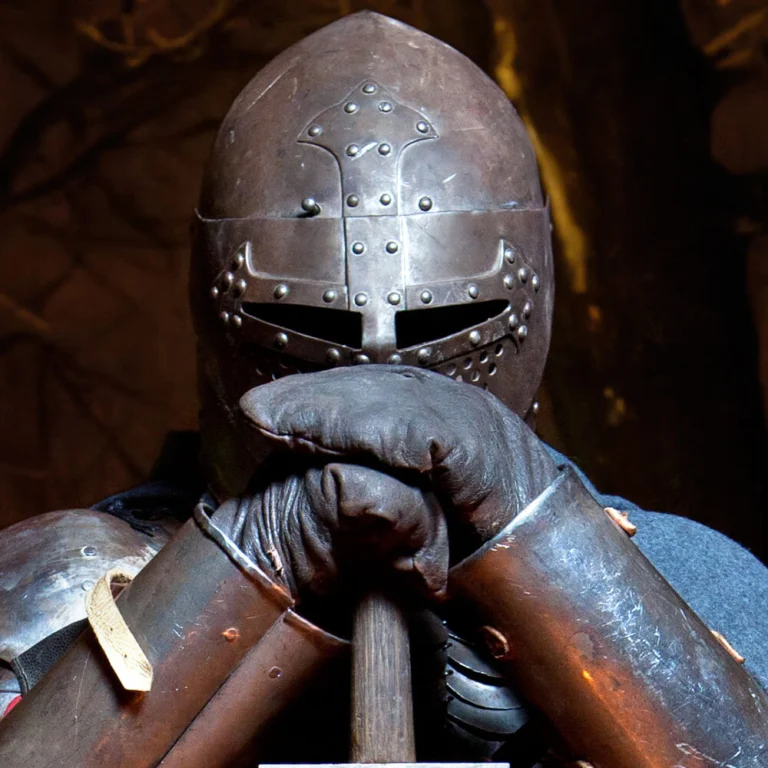
Angel
Angel the Voivode, or Angel Kariotov, led a well-organised revolutionary detachment in the Plovdiv and Haskovo regions between 1832 and 1862. He was a key figure in the resistance to Ottoman rule in Bulgaria. A peak in the Rila Mountains, Angelov Peak, is named after him. Angel the Voivode is known for his exploits and his initiative to build a Bulgarian monastery in 1856: the Arapovo Monastery of St Nedelya. He became the monastery's principal benefactor and left a lasting mark on the history of the Bulgarian Orthodox Church. His detachment, consisting of about 40 men, was well organised and actively participated in resistance to Turkish rule. Songs and stories about Angel the Voivode's exploits pass from generation to generation, celebrating him as a popular hero. One song honours his actions by declaring that while he ruled in the Rhodope Mountains, the Turks were the subject population and the Bulgarians the masters.
In 1862, following a serious illness, Angel the Voivode disbanded his group, by then numbering more than 100 men, and retired to Hilandar Monastery on Mount Athos. Unable to read or write, he dictated his memoirs to a monk, leaving a testament to the Bulgarians to continue the struggle against the Turks and prepare for a nationwide uprising. Angel the Voivode died in 1864. His grave remains unknown, but his ideas and testament continued to influence Bulgarian history and resistance. They were adopted and developed by other Bulgarian national heroes, such as Georgi Rakovski, Lyuben Karavelov, Hristo Botev and Vasil Levski.
Share:


