Animal husbandry

Animal husbandry
Animal husbandry
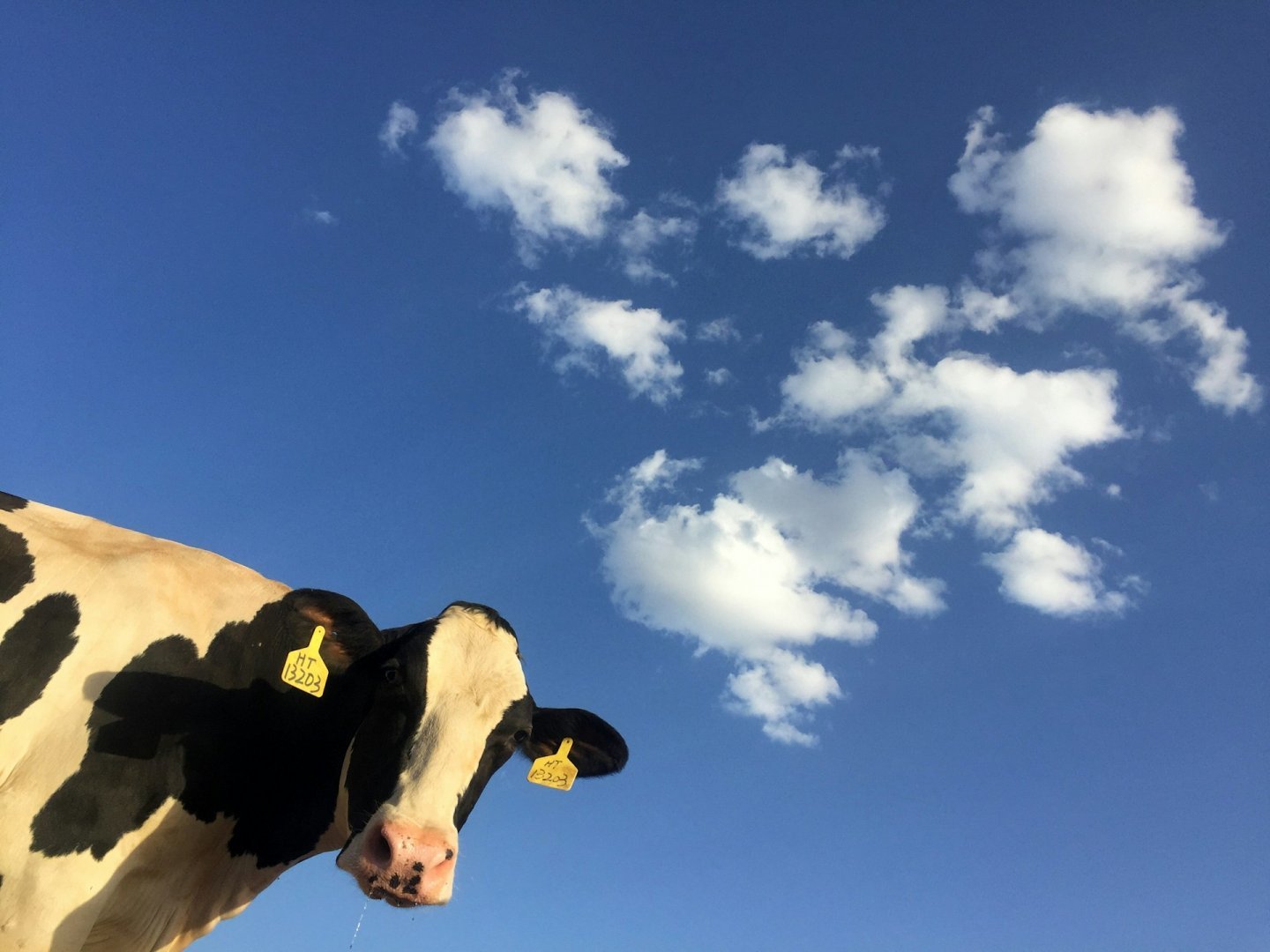
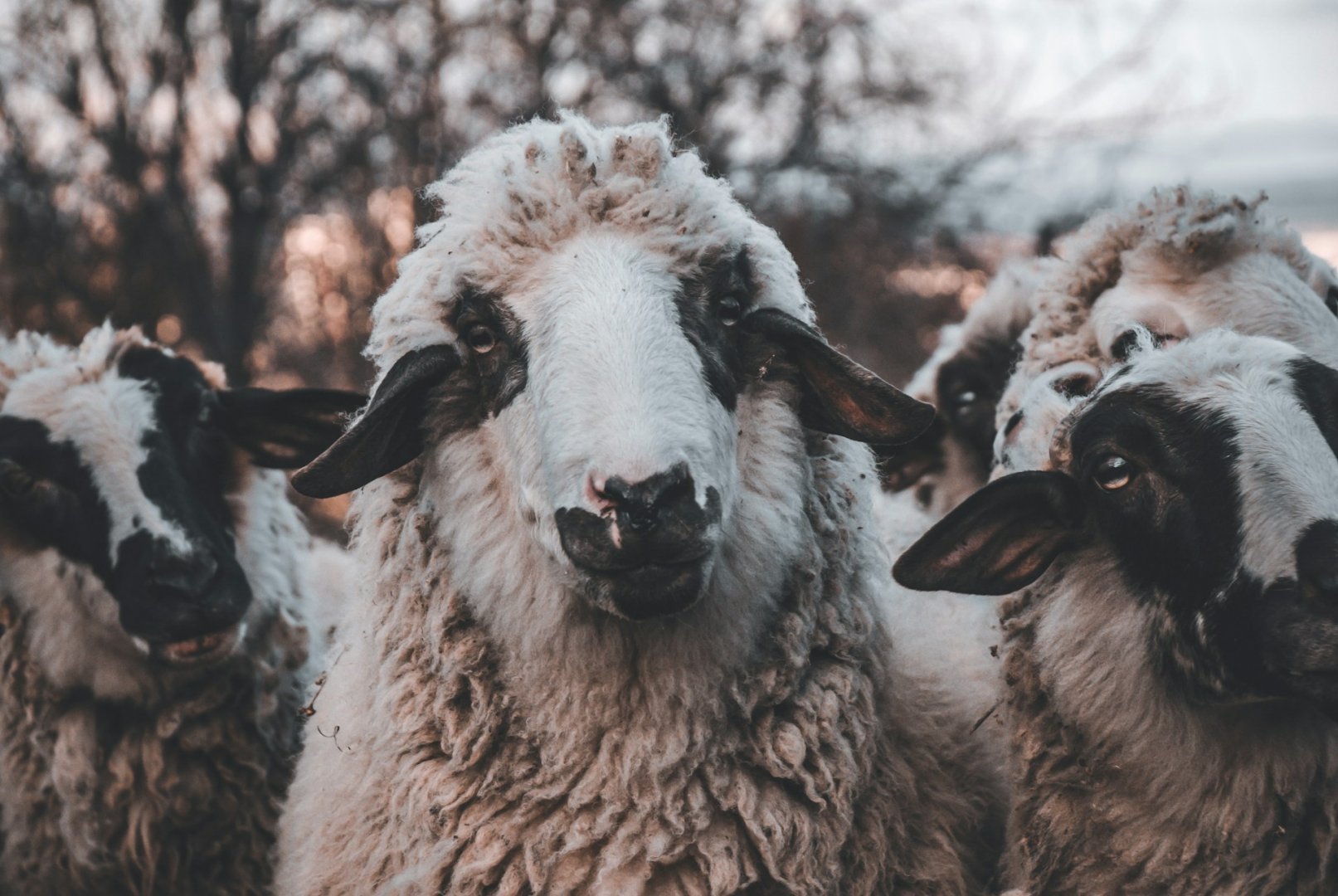
During the Middle Ages, animal husbandry was an important part of the economy. It can be divided into two types: sedentary and mobile. Sheep, cattle, oxen and horses were the principal animals raised. Cattle predominated, which in turn was connected with agricultural traditions in the Bulgarian lands. There is considerable evidence that dairy sheep were raised in numerous monastic complexes.
Asparuh’s Bulgars also brought with them skills in horse breeding, which formed part of their material and spiritual culture.
Bulgarians practised beekeeping and produced honey, which was sold in Constantinople.
Fishing was also widespread, a practice well established among the Slavic tribes. A large part of the fish catch is known to have come from Lake Ohrid, while catches from the Danube were exported to Constantinople.
A distinct category of dependent pastoral population, known as Vlachs, existed in the Balkan Peninsula and the Bulgarian lands. Their livelihood was mobile livestock farming.
After Bulgaria’s Liberation in 1878, mobile livestock farming was gradually abandoned. One of the main reasons was the separation of the territories containing summer and winter pastures.
Share:


