Rose-oil distillation

Rose-oil distillation
Rose-oil distillation
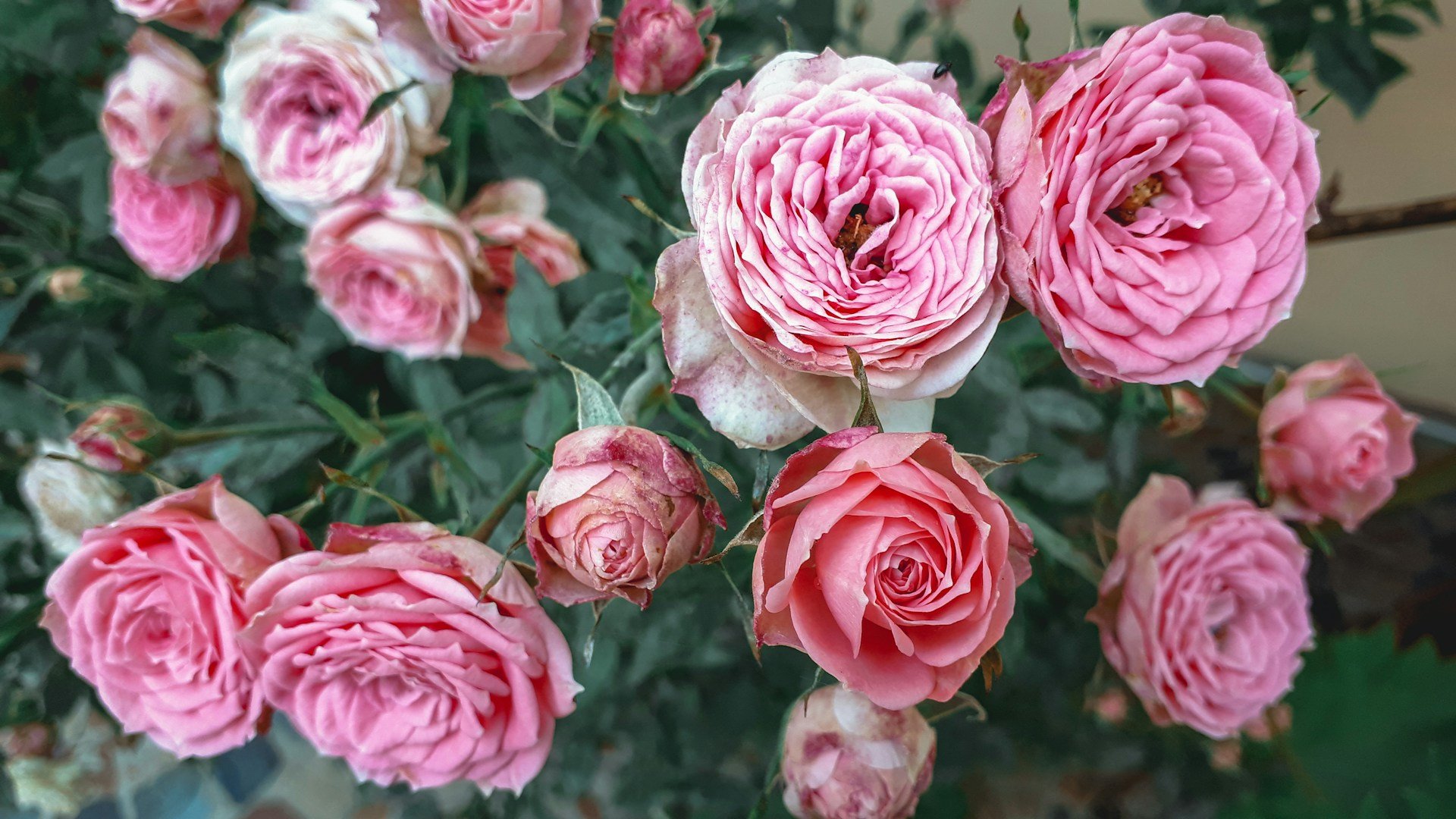
Over the centuries, one of the distinctive products for which Bulgaria has been renowned is the oil-bearing rose, also known as the Kazanlak rose. This rose, whose botanical name is Rosa damascena, was brought to the Balkan Peninsula from the area around Damascus as early as the twelfth century. Rose processing in Bulgaria adopted technology from eastern countries such as Persia and India.
Bulgarian producers gradually increased output and improved the product's quality by using double distillation and better equipment. This made Bulgarian rose oil well known on the international market as early as the thirteenth century.
Until the early twentieth century, rose distillation relied chiefly on distilleries with small stills, called gyulaphani. Repeated redistillation took place in alembics: copper vessels with a capacity of about 120 litres, grouped into distillation installations called gyulpana. As technology developed during modernisation, production shifted to steam separation using steam distillation vessels. By 1935, 100 private and cooperative rose-distilling installations were operating.
In the twelfth and early thirteenth centuries, rose distillation became a principal source of income for the inhabitants of some of the Sub-Balkan valleys, thanks to favourable climatic conditions for growing the oil-bearing rose.
Share:


