Carpet weaving

Carpet weaving
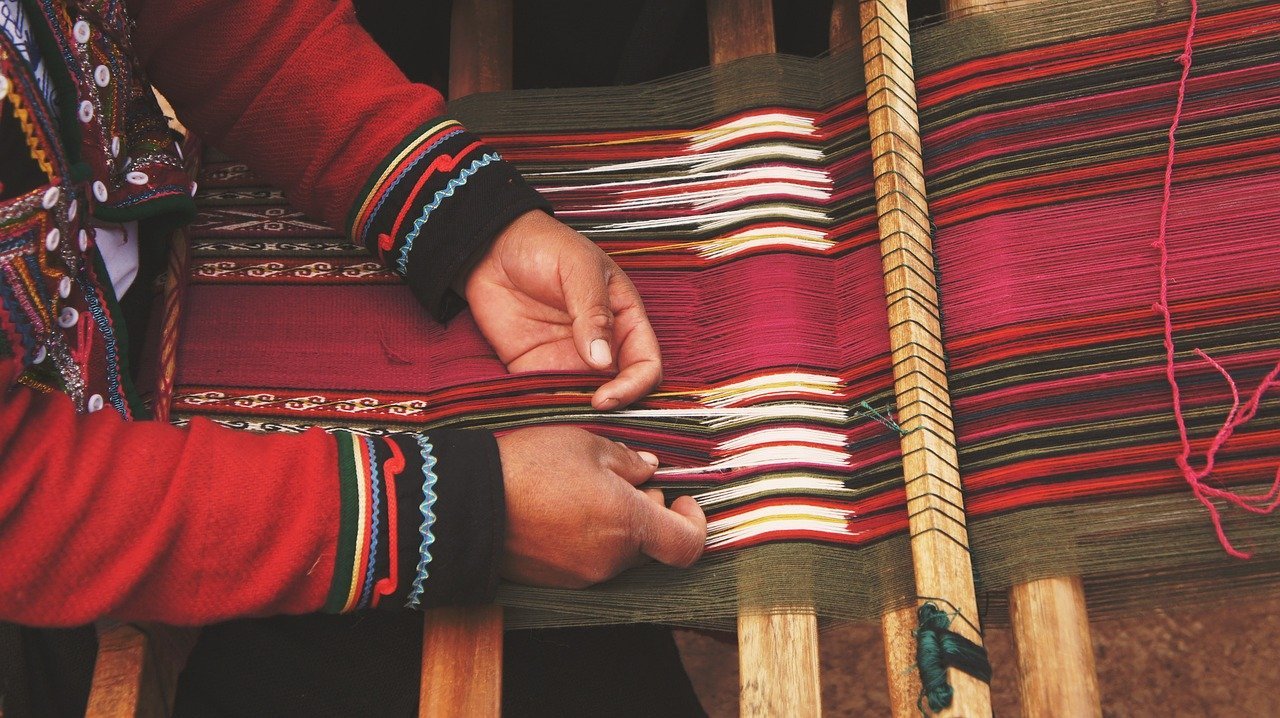
Carpet weaving
The technology for making textiles and carpets has been known in the Bulgarian lands since antiquity, from the fifth–fifth century BC. According to scholars, carpet weaving began in the first century BC.
The earliest evidence of ornamental carpet textiles in Bulgaria dates from the late eleventh century. Carpet weaving flourished during the Bulgarian National Revival in the eighteenth and nineteenth centuries. Towns such as Gabrovo, Kotel, Sliven, Chiprovtsi, Samokov and Panagyurishte became known as centres of the craft. The two most important centres, however, were Kotel and Chiprovtsi, which gave their names to the Kotel and Chiprovtsi carpet-making techniques.
Bulgarian carpets are reversible and woven on an upright loom. There are two main ways of forming the patterns. The Kotel technique is characterised by openwork (embroidery) along the outlines of the figures, while the Chiprovtsi technique has no openwork. Carpets produced by these methods display distinctive ornaments and designs.
Share:


