Beekeeping

Beekeeping
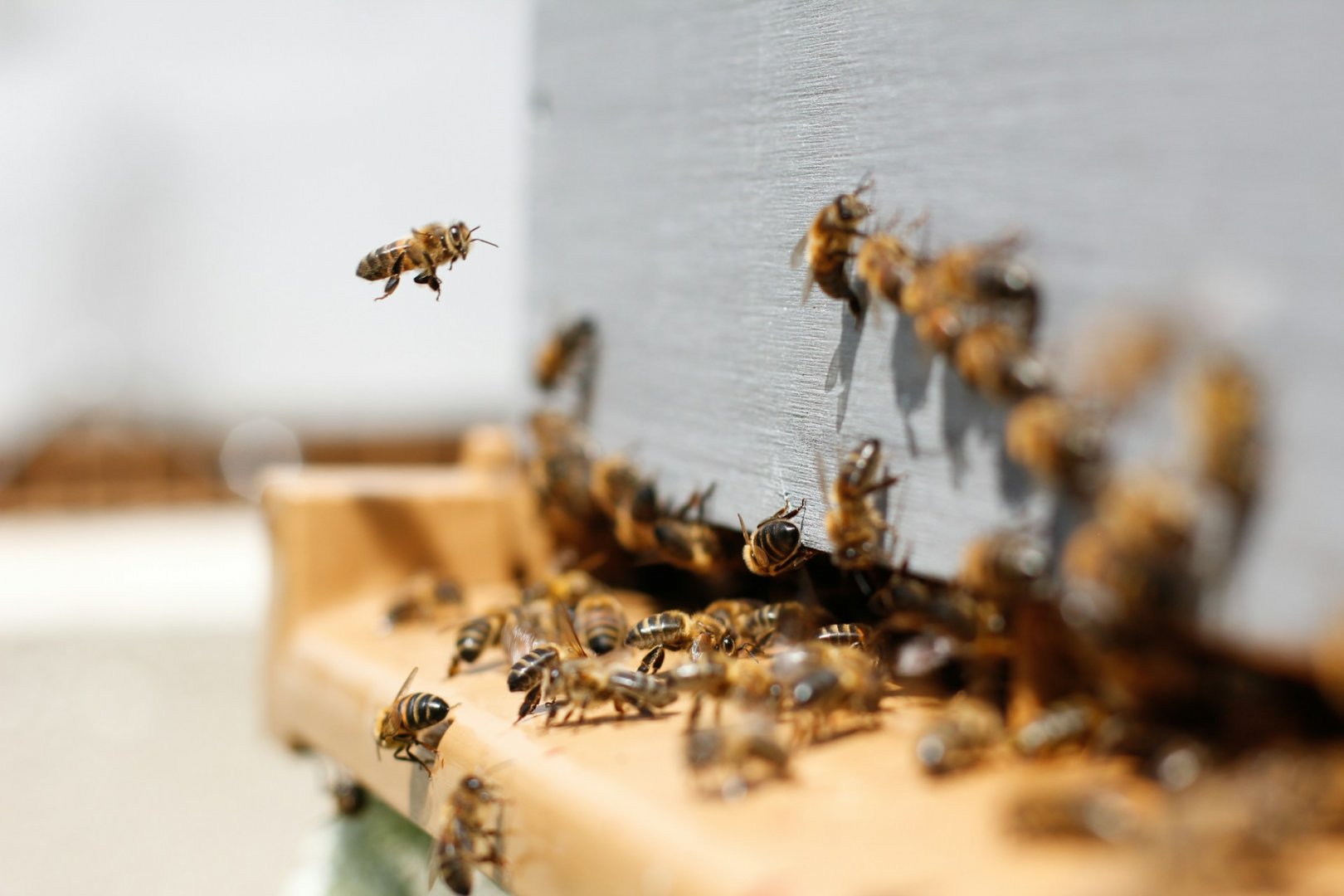
Beekeeping
Beekeeping is an ancient tradition in Bulgaria, found throughout the country. Historical evidence indicates that it existed even before the Bulgarian state's foundation in 681. In the region's early history, Slavic tribes gathered honey from the combs of wild bees before learning to keep them in purpose-built hives.
When the Bulgars led by Khan Asparuh settled in the Balkan Peninsula, they also brought their beekeeping skills. This period in the country's history was marked by substantial production of beeswax and honey. The methods used to keep bee colonies in the early twentieth century did not differ greatly from those used today, although the equipment has since become more modern and improved.
The earliest hives were conical and known by names such as kosherishta, travni and pavit, reflecting the different plants used to weave them. Vine or willow rods were used in different regions. Once woven, a hive was coated inside and out with a special mixture containing clay, straw, manure and hearth ash. This extended its life and protected it from the weather.
To protect the bees from high or low temperatures, beekeepers covered the hives with straw 'hoods' or 'kaftans'. Another type of bee dwelling, called a stublo, was used in north-eastern Bulgaria. It consisted of a hollow tree trunk about 50 centimetres high, covered at the top with boards and roof tiles.
Share:


